Tasmania Takes Drastic Measures: Free Public Transport for Three Months as Fuel Prices Skyrocket
- Tasmanian government announces unprecedented move to combat surging fuel prices, making public transport free for three months
- Families and commuters set to save hundreds of dollars as buses and ferries become free from Monday until July 1
- Move seen as a bold response to cost-of-living crisis, but concerns raised over long-term sustainability and potential impact on transport infrastructure
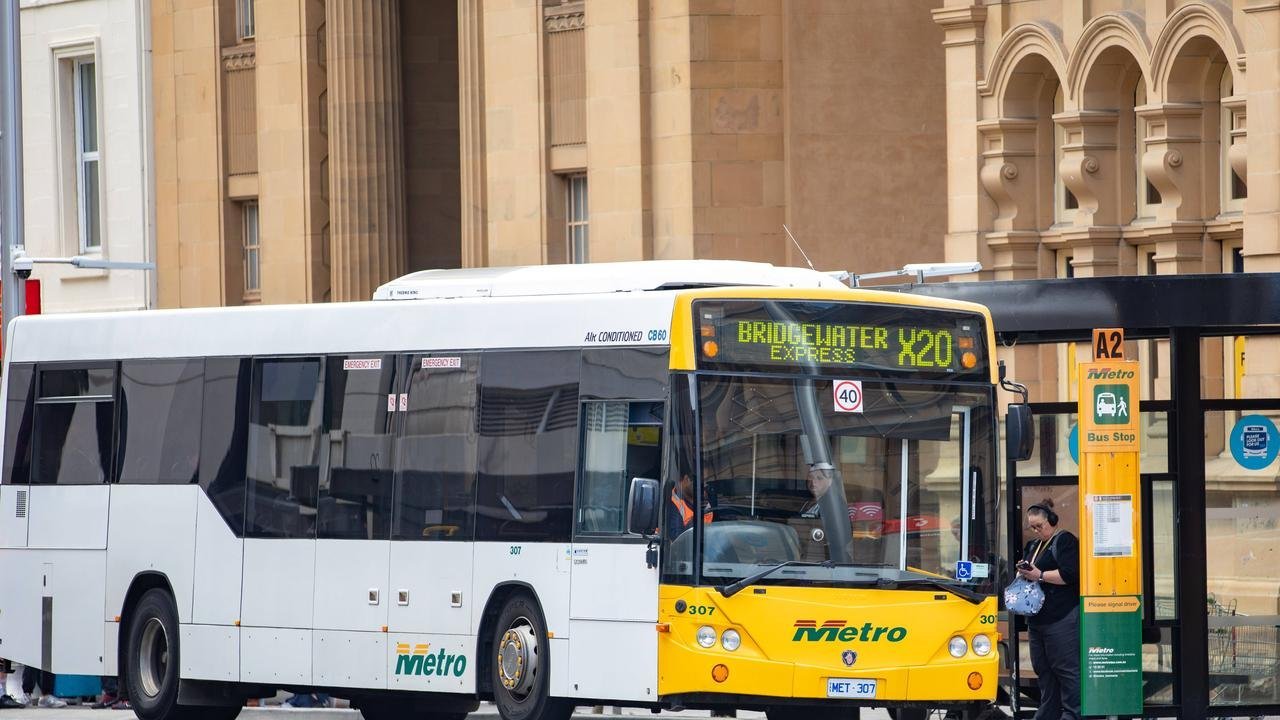
The Tasmanian government has taken the extraordinary step of making public transport free for three months, in a bid to alleviate the financial burden of surging fuel prices on its citizens.
The policy, announced on Sunday, will come into effect on Monday and last until July 1, 2026.
Premier Jeremy Rockliff said the decision was made in response to the “rising cost of fuel impacting the family budget”, and vowed to “protect Tasmanians” from the financial strain.
Minister for Transport Kerry Vincent echoed the sentiment, stating that “families are feeling the pinch” and that free public transport would deliver “real savings”.
The policy is expected to benefit commuters across the state, with a student travelling on a full bus fare to school set to save $20 a week, and an adult catching the bus from Dodges Ferry into Hobart saving $88 a week.
Regional and rural services will also be included in the policy, with those relying on public transport to travel from the regions into town expected to benefit significantly.
Independent Member for Clarke Helen Burnet welcomed the announcement, calling it a “great outcome” for Tasmanians.
However, she raised concerns that the government should consider increasing bus frequency and introducing more routes if there was an increase in demand for public transport.
The move comes as fuel prices continue to climb, with supply shocks in the Middle East contributing to the surge.
The Tasmanian government’s decision is seen as a bold response to the cost-of-living crisis, but questions remain over the long-term sustainability of the policy and its potential impact on transport infrastructure.
Analysis: What This Means for Australia
The Tasmanian government’s decision to make public transport free for three months raises important questions about the role of government in responding to cost-of-living pressures.
As fuel prices continue to rise, citizens are feeling the pinch, and it is up to governments to provide relief. However, the long-term sustainability of such policies must be carefully considered, lest they become unsustainable and ultimately damaging to the state’s economy.
Furthermore, the move highlights the need for a comprehensive approach to addressing the root causes of the cost-of-living crisis. While short-term measures like free public transport may provide immediate relief, they do not address the underlying issues driving price hikes.
It is up to governments to work towards a more sustainable solution, one that balances the needs of citizens with the demands of a growing economy.
Security analysts say that the decision also has implications for national security, as the reliance on public transport increases the risk of overcrowding and potential security threats.
Law enforcement insiders warn that the increased demand on public transport may put additional pressure on policing resources, potentially diverting attention away from other critical areas.
Industry observers believe that the move may also have economic consequences, with the potential for increased demand on public transport infrastructure leading to additional costs and potential disruptions to services.