University Cuts Exposed: How Dodgy Data and Conflicts of Interest Are Destroying Australia’s Higher Education
- Millions of dollars in cuts recommended by consultancy firms despite unreliable data
- University vice-chancellors profiting from lucrative consultancy deals while overseeing cuts
- Academics slam “garbage in, garbage out” approach to data-driven decision making
The University of Wollongong’s decision to cut tens of millions of dollars from its budget, resulting in the loss of 200 academic jobs, has sparked outrage among staff and students.
But what’s even more alarming is the revelation that the consultancy firm behind the cuts, KordaMentha, relied on poor-quality data to make its recommendations.
The report, which was commissioned by the university, acknowledged that the accuracy of its workforce data couldn’t be verified, and that underlying data quality issues limited its reliability.
Yet, despite these limitations, KordaMentha went ahead and recommended massive cuts to the university’s budget.
This is not an isolated incident.


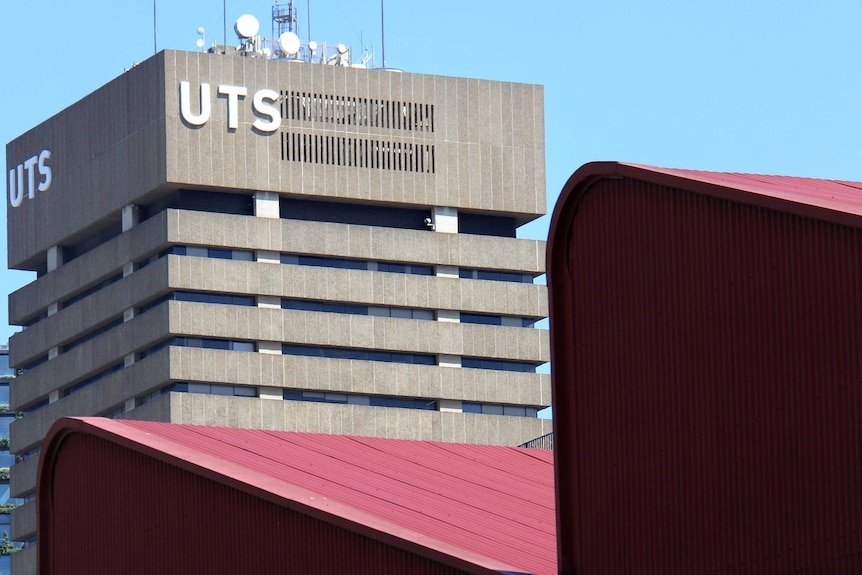
At the University of Technology, Sydney, consultancy firm KPMG used flawed data to measure course viability, leading to the loss of more than half of the School of Public Health’s academic staff.
The data provided to KPMG by the university did not accurately reflect course costs, and staff and students are still reeling from the devastating impact of the cuts.
But what’s driving these decisions, and who’s profiting from them?
An investigation has revealed that University of Wollongong’s vice-chancellor, Professor Paul Wellings, was paid $1 million per annum while overseeing the implementation of KordaMentha’s report.
The university claims to have a Conflict Management Plan in place, but critics argue that this is not enough to prevent conflicts of interest.
Analysis: What This Means for Australia
The use of dodgy data and conflicts of interest in university decision making has far-reaching implications for Australia’s higher education sector.
It raises serious questions about the role of consultancy firms in shaping the future of our universities, and the impact on our national security, economic growth, and social cohesion.
As our universities become increasingly reliant on external consultants, we risk undermining the very foundations of our knowledge economy.
“You can’t make decisions about the future of our universities based on flawed data,” said Professor Fiona Probyn-Rapsey, a union delegate at the University of Wollongong.
“It’s a recipe for disaster, and it’s already having devastating consequences for staff and students.”
As our universities continue to grapple with the fallout from these decisions, one thing is clear: the future of Australia’s higher education sector hangs in the balance.
It’s time for a national conversation about the role of consultancy firms in our universities, and the need for transparency, accountability, and rigorous data-driven decision making.