Albanese Unleashes Fuel Price War: Petrol and Diesel Costs to Plummet by 26.3 Cents Per Litre for Three Months
- Fuel excise to be slashed for three months, providing relief to Australians struggling with rising costs
- Heavy vehicle road user charge to be temporarily cut to zero to support the trucking industry
- Government’s fuel emergency plan has four levels to respond to potential supply disruptions
In a dramatic move to ease the financial burden on Australians, Prime Minister Anthony Albanese has announced a three-month reduction in fuel excise, slashing petrol and diesel prices by 26.3 cents per litre.
The move is expected to provide significant relief to households and businesses struggling with rising costs.
The new arrangements will come into effect next Wednesday and will remain in place for three months.
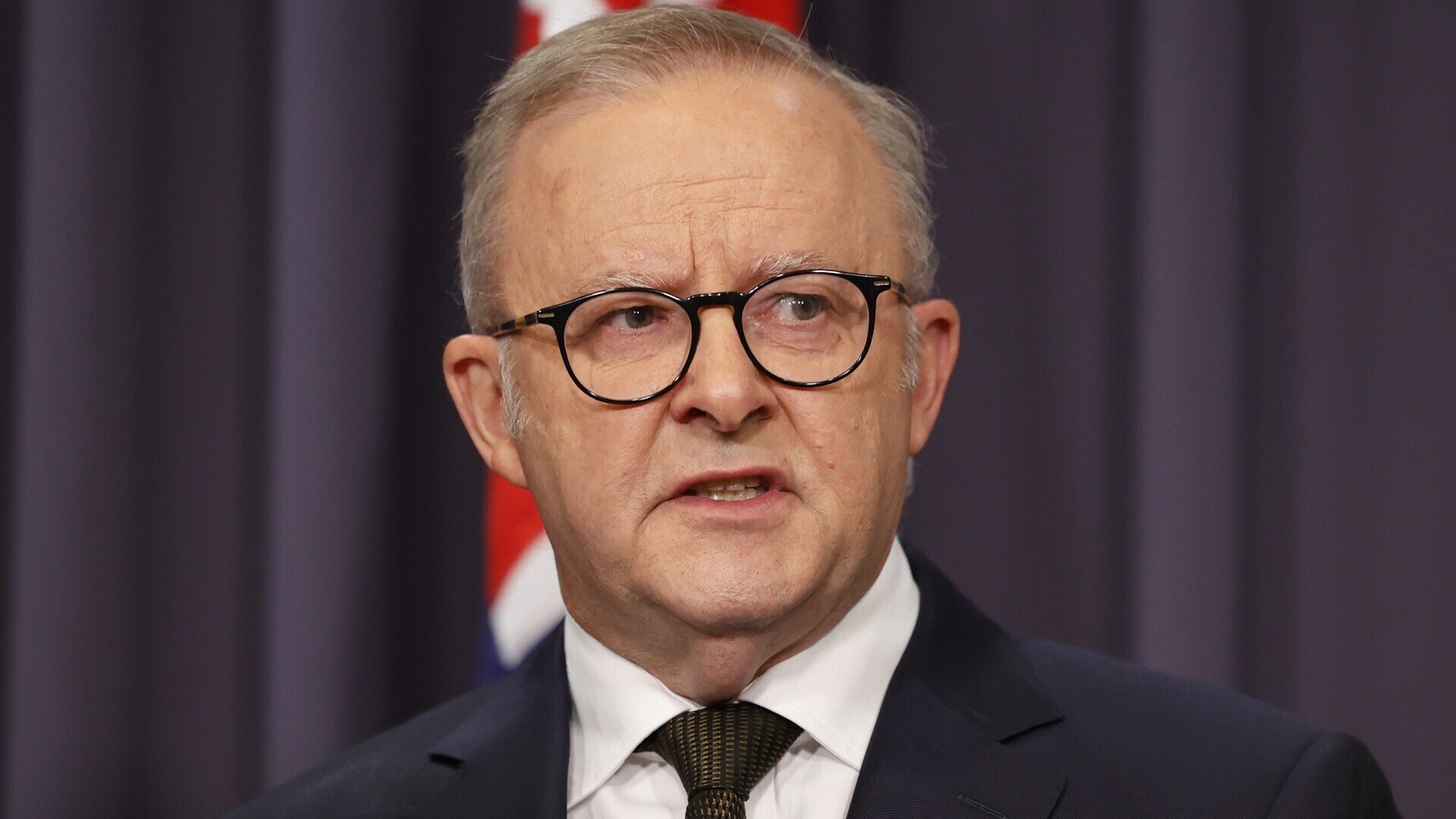
The Prime Minister emerged from national cabinet with the announcement, stating that the halving of the fuel excise will reduce the cost of fuel by 26.3 cents per litre.
“We are making fuel cheaper today because we understand that Australians are under serious pressure,” he said.


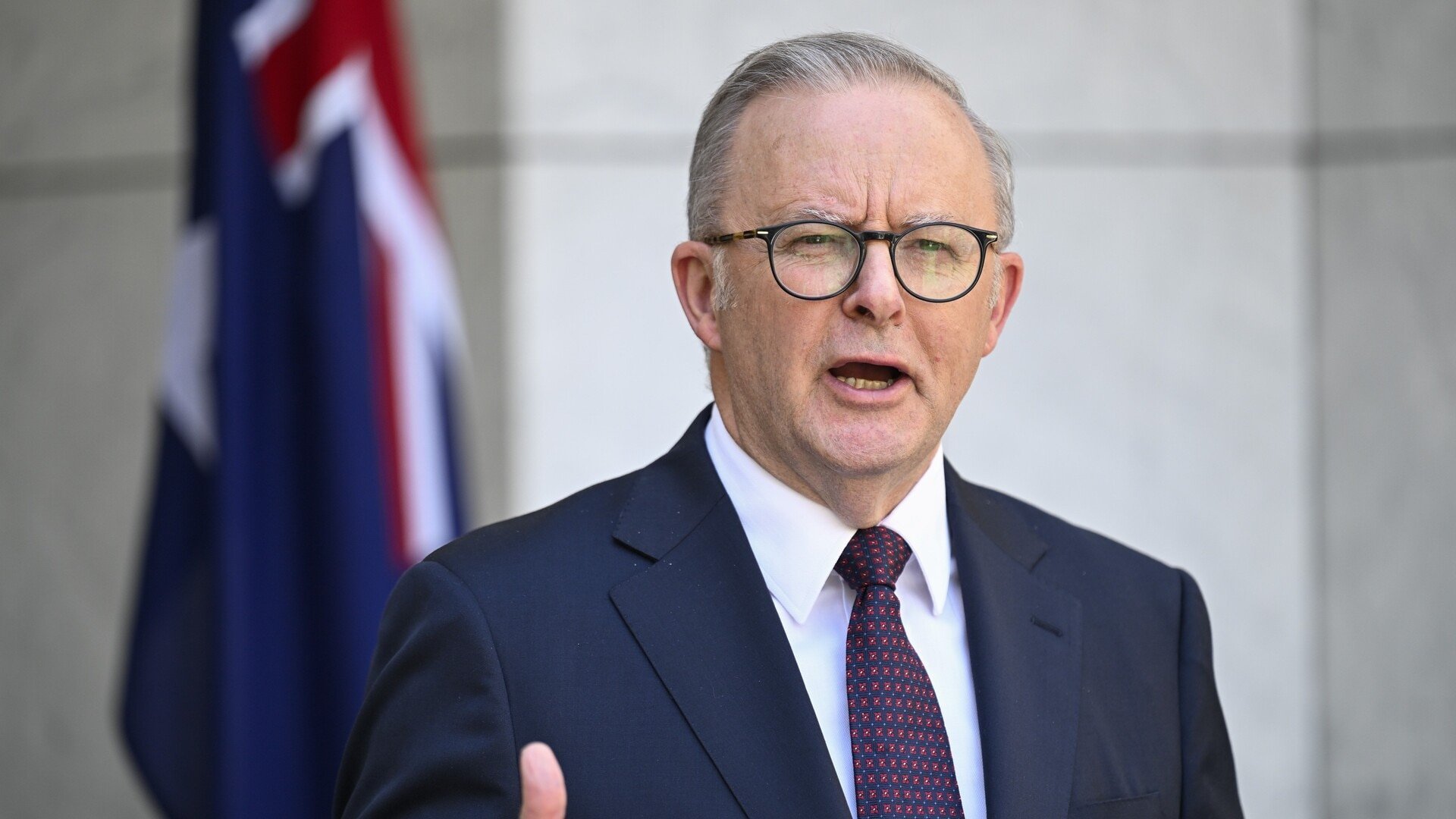

Treasurer Jim Chalmers stressed that the changes were temporary and targeted, designed to provide cost-of-living relief. “What we’re announcing today will reduce the cost of a 65-litre tank by about $19.
So it is a substantial cost-of-living relief. It is timely, it is temporary, and it is responsible,” Dr Chalmers said.
The government will also temporarily cut the heavy vehicle road user charge to zero for three months to support the trucking industry amid rising fuel costs.
“Our government will reduce the heavy vehicle road user charge to zero for three months to help,” Mr Albanese said. “We understand in particular that the heavy vehicle industry is under real pressure.
For many trucking companies that are small, they rely upon a cash flow which is under pressure because they pay for their fuel.”
Analysis: What This Means for Australia
The move is a significant step towards alleviating the financial pressure on Australians, who have been struggling with rising fuel costs. However, the longer-term implications of the move are still unclear.
Security analysts say that the government’s decision to slash fuel excise may have national security implications, as it could lead to a decrease in revenue for the government.
“The government’s decision to slash fuel excise may have unintended consequences, including a reduction in revenue for the government,” said one security analyst. “This could have implications for national security, as the government may struggle to fund essential services.”
Law enforcement insiders warn that the move may also have implications for law enforcement, as the reduction in revenue could lead to a decrease in funding for police and other emergency services.
“The reduction in revenue from fuel excise could have a significant impact on law enforcement, as it could lead to a decrease in funding for police and other emergency services,” said one law enforcement insider.
Industry observers believe that the move will have a significant impact on the economy, as it will provide relief to households and businesses struggling with rising costs.
“The reduction in fuel excise will provide a much-needed boost to the economy, as it will provide relief to households and businesses struggling with rising costs,” said one industry observer.
The government’s fuel emergency plan has four levels to respond to potential supply disruptions. Level 1: Plan and Prepare focuses on normal operations, with governments monitoring global market conditions, supply arrivals, and minimum stockholding obligations.
Level 2: Keeping Australia Moving involves taking precautionary measures to ensure fuel continues to flow where it’s needed most.
Level 3: Taking Targeted Action is triggered when ongoing supply disruptions require focused efforts, and Level 4: Protecting Critical Services comes into play during severe supply challenges.