Albanese Unleashes Fuel ‘War Chest’ to Tame Soaring Petrol Prices as Australia Teeters on Brink of Crisis
- Fuel excise slashed by half, saving motorists 26.3 cents per litre for three months
- Heavy road user charge reduced to zero, easing pressure on truck drivers and transport costs
- Government’s four-point fuel action plan aims to keep Australia moving amidst global fuel shock
- Taxpayers to foot $2.55 billion bill, with measures set to reduce price of 65-litre tank of petrol by $19
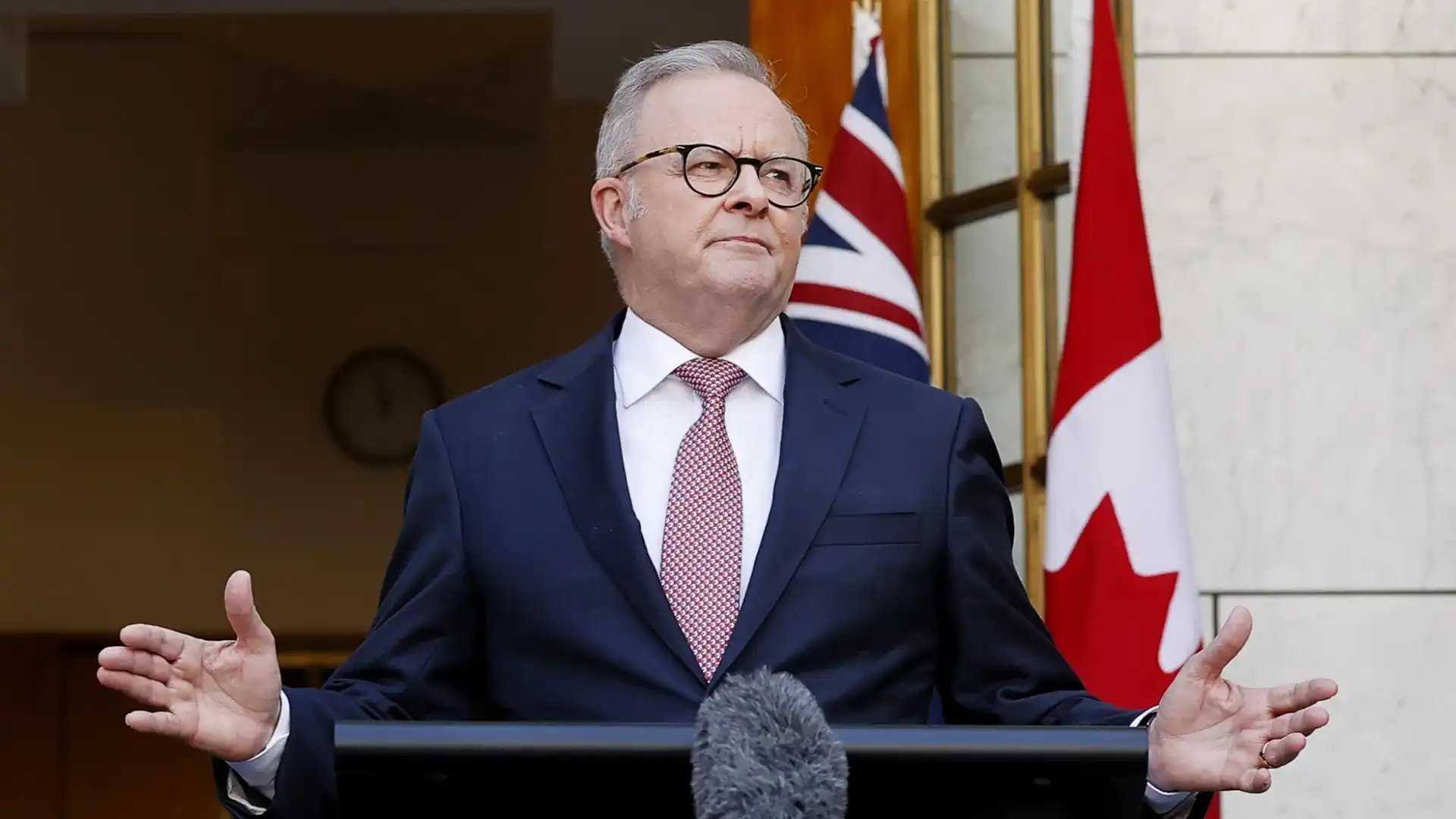
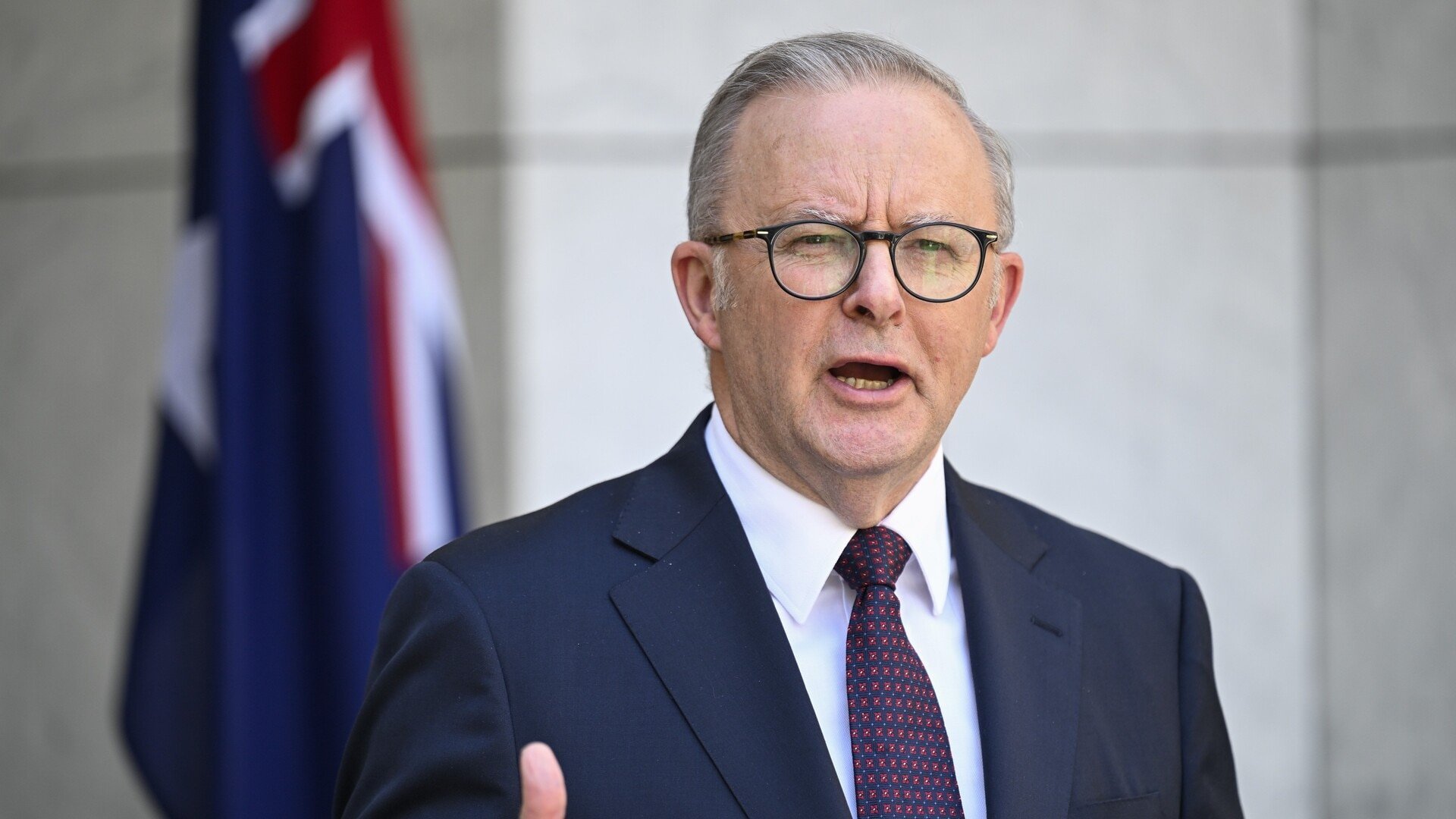
Prime Minister Anthony Albanese has announced a bold four-point fuel action plan, halving the fuel excise and slashing the heavy road user charge to zero, in a bid to tame soaring petrol prices and ease the burden on struggling Australian motorists.
The move comes as the nation teeters on the brink of a fuel crisis, sparked by the ongoing war in Iran.
The government’s decision to reduce the fuel excise by 26.3 cents per litre for three months is expected to provide much-needed relief to motorists, with the cost of a 65-litre tank of petrol set to drop by $19.
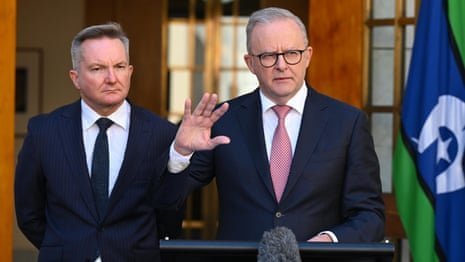
The heavy road user charge, which will be reduced to zero for the same period, will also help truck drivers and transport companies absorb the global fuel shock.
The measures, which will cost taxpayers $2.55 billion, were agreed upon during a national cabinet meeting with state and territory leaders.

The four-point action plan aims to ensure a coordinated approach to fuel supply, with a focus on keeping Australia moving amidst the global fuel crisis.
“We’re making fuel cheaper today because we understand that Australians are under serious pressure,” Prime Minister Albanese said. “We’re doing this to be completely transparent, and we want to see a de-escalation of the war in the Middle East.
A de-escalation is in the global economy’s interests.”
The government’s plan is divided into four levels, with the current situation classified as “keep Australia moving”. Level three, “taking targeted action”, and level four, “protecting critical services”, would be triggered if the situation worsens.
Fuel rationing could be introduced at level four, although the prime minister stressed that Australia is a “substantial” distance from reaching that point.
Analysis: What This Means for Australia
The government’s decision to halve the fuel excise and reduce the heavy road user charge is a welcome move, but it’s only a temporary solution to a much larger problem.
The ongoing war in Iran has sparked a global fuel crisis, and Australia is not immune to its effects.
The government’s four-point action plan is a step in the right direction, but it’s crucial that we address the root causes of this crisis and work towards a more sustainable fuel security plan.
Security analysts say that the war in Iran has exposed the vulnerabilities of Australia’s fuel supply chain, and that the government must take a more proactive approach to addressing these weaknesses.
“The government’s plan is a short-term fix, but we need a long-term solution to ensure our fuel security,” said one analyst.
Law enforcement insiders warn that the fuel crisis has the potential to spark social unrest, particularly in rural and regional areas where access to fuel is limited.
“We’re already seeing long queues at service stations, and if the situation worsens, we could see widespread protests and social unrest,” said one insider.
Industry observers believe that the government’s plan will provide some relief to motorists, but it’s crucial that we address the underlying causes of the fuel crisis.
“The war in Iran has sparked a global fuel crisis, and we need to work towards a more sustainable fuel security plan that addresses our reliance on imported fuel,” said one observer.
The government’s decision to delay an increase to the heavy road user charge by six months will also provide some relief to truck drivers and transport companies.
However, the opposition has raised concerns about the lack of transparency surrounding the government’s plan, particularly in regards to how fuel will be funneled to areas with shortages.
“We welcome the national fuel security plan, but the reality is we still do not have a clear plan to get fuel to the servos that have run dry,” said Opposition Leader Angus Taylor.
“And the prime minister still has not ruled out heavy-handed mandates that Australians do not want.”
As the nation navigates this fuel crisis, one thing is clear: the government must take a proactive approach to addressing the root causes of this crisis and work towards a more sustainable fuel security plan.
Anything less would be a dereliction of duty to the Australian people.