
Fuel Crisis: Tasmania Takes the Wheel with Free Public Transport as National Cabinet Scrambles for Solutions
- Tasmania offers free buses and ferries for three months to ease fuel cost burden
- Commuters rejoice as public transport usage increases by 20% in just one week
- National Cabinet convenes to discuss coordinated response to fuel crisis, with some states introducing their own measures
The Tasmanian government has taken drastic measures to alleviate the burden of skyrocketing fuel costs, making public transport free for the next three months. The move comes as National Cabinet convenes to discuss a unified approach to the fuel crisis, which has sent shockwaves across the country.
For commuters like Pennie Ryan, the news couldn’t come soon enough.
“The bus was busier than usual, and the car park was full to capacity,” she said, echoing the sentiments of many who are feeling the pinch of rising fuel prices.
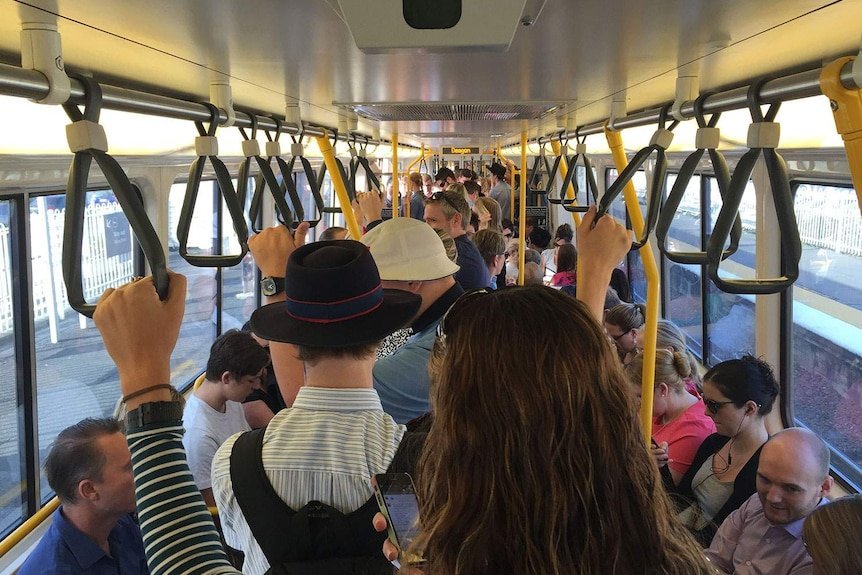
The decision to make public transport free is expected to cost the Tasmanian government around $2.5 million over the three-month period. While some have welcomed the move, others are calling for more bus routes to be made available to make the initiative truly effective.
Tasmania’s Minister for Ageing, Bridget Archer, highlighted the benefits for older Tasmanians who rely on public transport to get around.


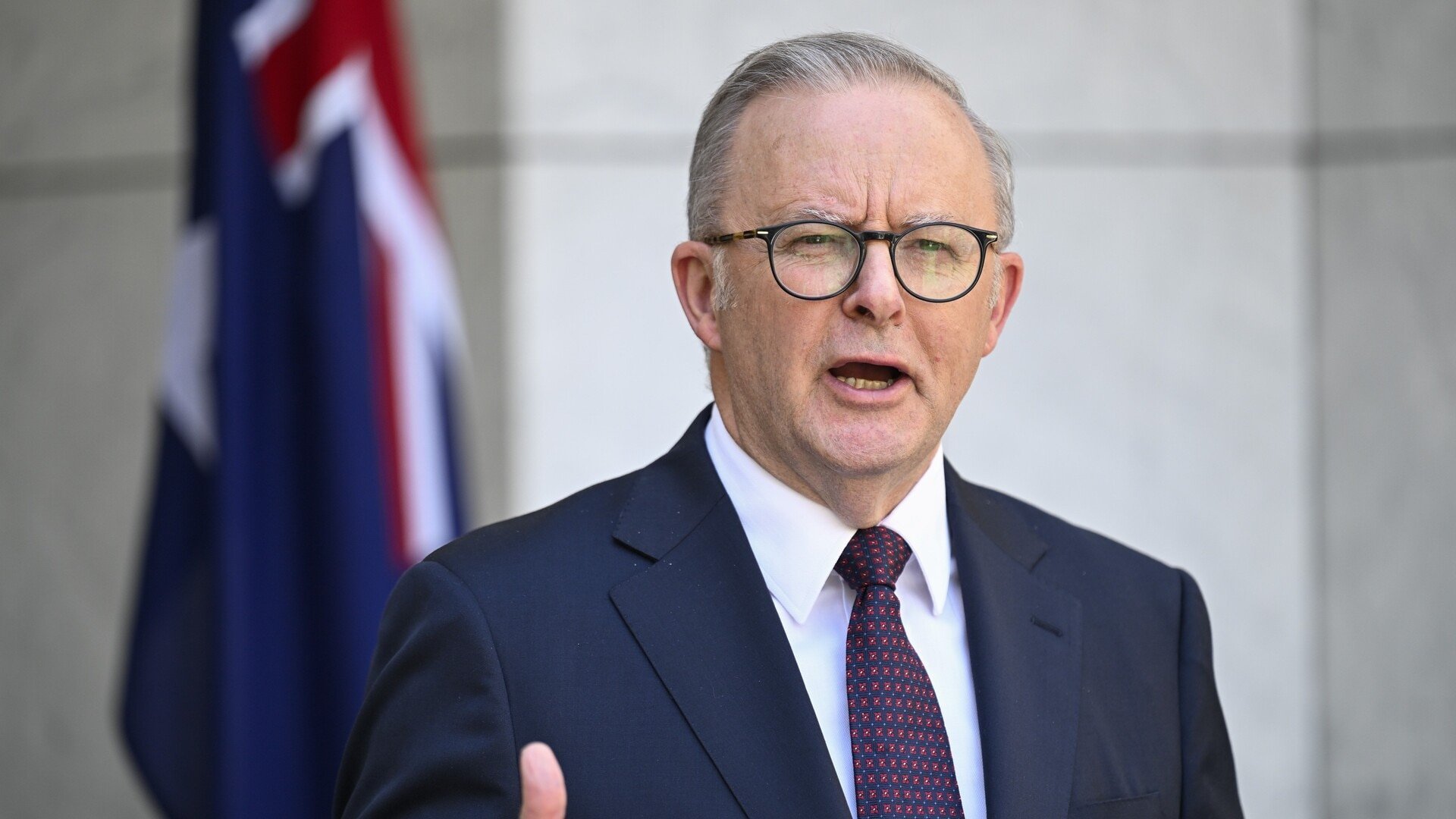

“We know how important it is for older Tasmanians to be able to participate in our community, to be able to get to their appointments, to go and do their shopping,” she said.
The Tasmanian government’s move is not the only response to the fuel crisis.
Victoria has announced that public transport will be free for a month, at a cost of $70 million, while Queensland has introduced permanent 50-cent fares across all Translink public transport services.
New South Wales, however, has ruled out introducing a similar policy, citing the high cost.
Analysis: What This Means for Australia
The fuel crisis has brought to the forefront the importance of a robust and reliable public transport system. As fuel prices continue to rise, more and more Australians are being forced to rethink their daily commutes.
The decision by the Tasmanian government to make public transport free may be seen as a temporary solution, but it highlights the need for a more sustainable and long-term approach to addressing the country’s transport needs.
Security analysts say that the fuel crisis has exposed the vulnerabilities of Australia’s transport infrastructure, and that the government must take a proactive approach to addressing these weaknesses.
“The fuel crisis has shown us that our transport system is not as resilient as we thought,” said one expert. “We need to invest in alternative modes of transport and encourage a shift away from reliance on fossil fuels.”
Law enforcement insiders warn that the fuel crisis has also created an environment ripe for exploitation by criminals. “We’re seeing an increase in fuel theft and other related crimes,” said one source.
“We need to be vigilant and take steps to protect our communities from these types of activities.”
Industry observers believe that the fuel crisis will have far-reaching consequences for the economy and society as a whole. “This is not just about fuel prices,” said one expert.
“It’s about the impact on our daily lives, our businesses, and our communities. We need to take a holistic approach to addressing this crisis.”