
‘Sovereign Citizen’ Dezi Freeman Killed in Dramatic Police Shootout: The Deadly Consequences of Anti-Authority Extremism in Australia
- A seven-month manhunt for Dezi Freeman, who fatally shot two police officers in Victoria, has ended in a dramatic police shootout.
- The 56-year-old sovereign citizen evaded authorities for months, sparking a massive search effort involving hundreds of police and a $1 million reward.
- Freeman’s death raises questions about the growing threat of anti-authority extremism in Australia and the devastating impact on communities and law enforcement.
The death of Dezi Freeman, the self-described sovereign citizen who killed two police officers in Victoria’s High Country, marks the end of an enormous manhunt that captivated the nation.
The 56-year-old fugitive, who evaded authorities for seven months, was finally shot dead by police on Monday, bringing a sense of relief to the community and law enforcement.
But the consequences of Freeman’s actions will be felt for a long time, highlighting the dangers of anti-authority extremism and its deadly repercussions in Australia.
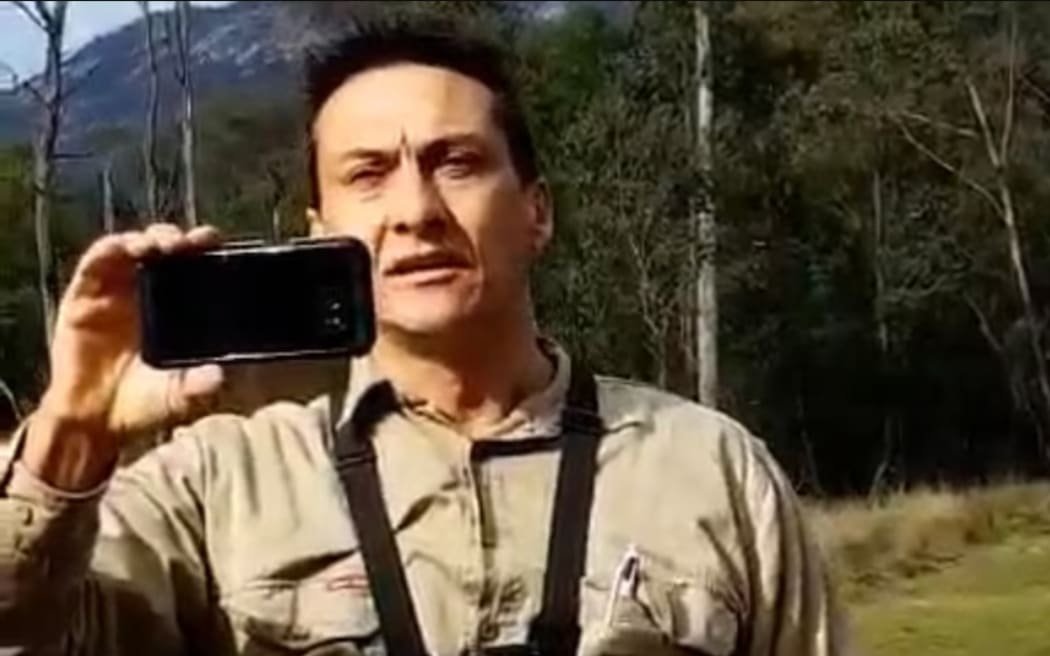
The core of the story revolves around the events of late August, when Freeman fatally shot Detective Leading Senior Constable Neal Thompson and Senior Constable Vadim De Waart-Hottart at a property in Victoria’s north-east.
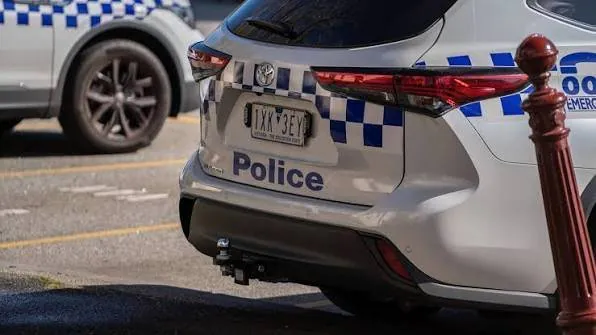
The officers were part of a team executing a search warrant over historical sex offences when the shooting took place. A third officer was injured in the incident, which sparked a massive manhunt involving hundreds of police, a $1 million reward, and international assistance.
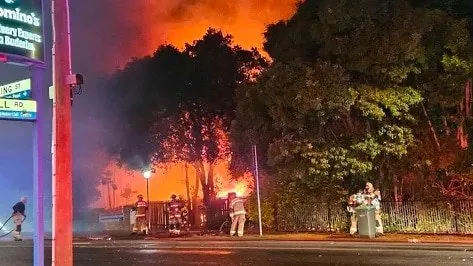


Freeman’s background paints a picture of a man with a long and troubled history with authority.
The 56-year-old had posted anti-police sentiments on social media, calling for the “extermination” of politicians and writing that “the only good cop is a dead cop.” He had also tried to arrest a magistrate and was linked to an attempt to have former premier Daniel Andrews tried for treason.
Freeman’s views were deeply rooted in the sovereign citizen movement, which falsely asserts that government authority and laws do not apply to them.
The sovereign citizen movement, which has been linked to violent incidents in the United States, has gained traction in Australia, particularly in rural areas. Freeman’s actions, while extreme, are a manifestation of this growing threat.
His ability to evade authorities for months, despite being the subject of the largest-ever tactical police operation in Victoria, raises concerns about the challenges law enforcement faces in dealing with anti-authority extremism.
Analysis: What This Means for Australia
The death of Dezi Freeman serves as a stark reminder of the dangers of anti-authority extremism in Australia. The incident has significant implications for national security, law enforcement, and community safety.
It highlights the need for authorities to take a proactive approach in addressing the growing threat of sovereign citizen ideology and its violent manifestations.
Security analysts warn that Freeman’s actions may inspire others to take up arms against the state, posing a significant risk to public safety and national security.
Law enforcement insiders believe that the incident underscores the need for better resources and strategies to deal with anti-authority extremism. The massive search effort, which involved personnel from interstate, the federal police force, and New Zealand, demonstrates the complexity and scale of the challenge.
Industry observers believe that the incident will lead to a re-evaluation of police procedures and tactics in dealing with sovereign citizens.
The impact on the community cannot be overstated. The people of Porepunkah, where the incident took place, were forced into lockdown for weeks as police searched for Freeman.
The community was torn apart by the incident, with some supporting Freeman’s views and others condemning his actions.
The incident serves as a reminder of the devastating consequences of anti-authority extremism on communities and the need for greater awareness and education about the dangers of sovereign citizen ideology.
In the end, the death of Dezi Freeman marks a tragic conclusion to a seven-month manhunt.
But it also serves as a wake-up call for Australia, highlighting the need for greater vigilance and action in addressing the growing threat of anti-authority extremism.