Fuel Price Relief Delayed: Government’s $2.5 Billion Excise Cut Fails to Deliver Immediate Savings at the Bowser
- Australians face uncertainty over when they will see fuel prices drop despite a sweeping excise cut taking effect from midnight.
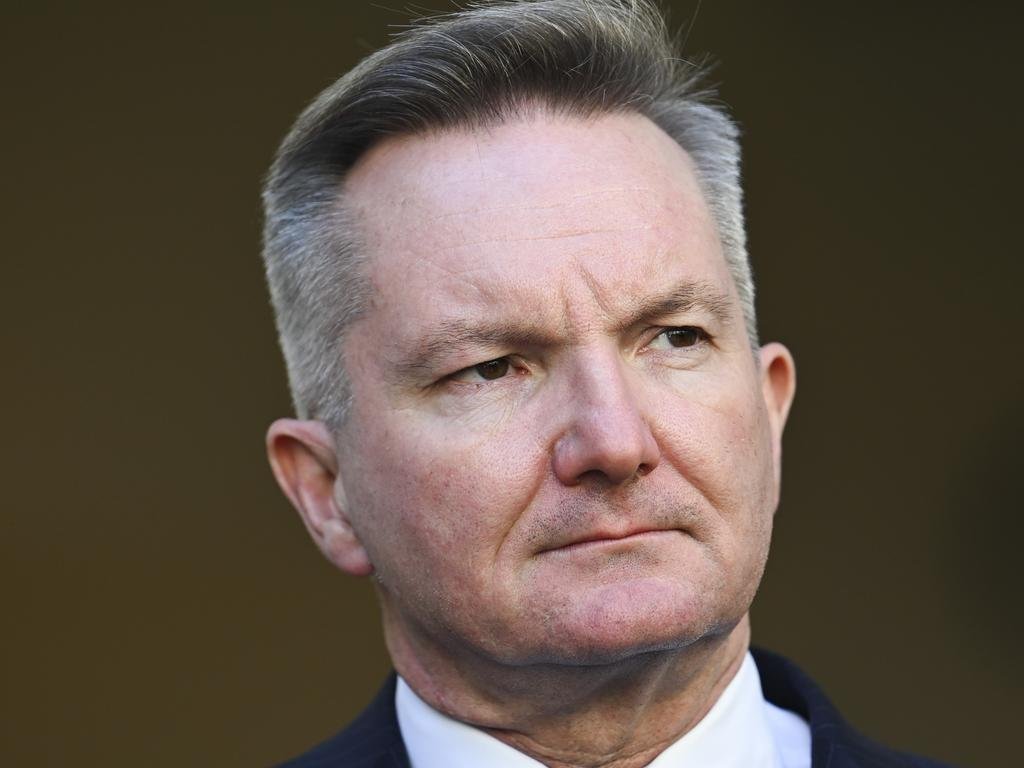
- Energy Minister Chris Bowen refuses to confirm a clear timeline for when savings will appear at service stations, citing existing fuel stocks that have already been taxed.
- The fuel crisis is far from over, with patchy supply and panic buying exacerbating the issue, and the government urging Australians not to add further pressure to the system.
The federal government’s $2.5 billion emergency measure to halve the fuel excise on petrol and diesel for three months was meant to bring relief to motorists struggling with escalating prices.
However, Energy Minister Chris Bowen has failed to provide a clear timeline for when Australians can expect to see the savings at the bowser.
The cut is expected to deliver a 26.3c per litre reduction, equating to about $12 a tank for a small sedan and $21 for a twin-cab ute.
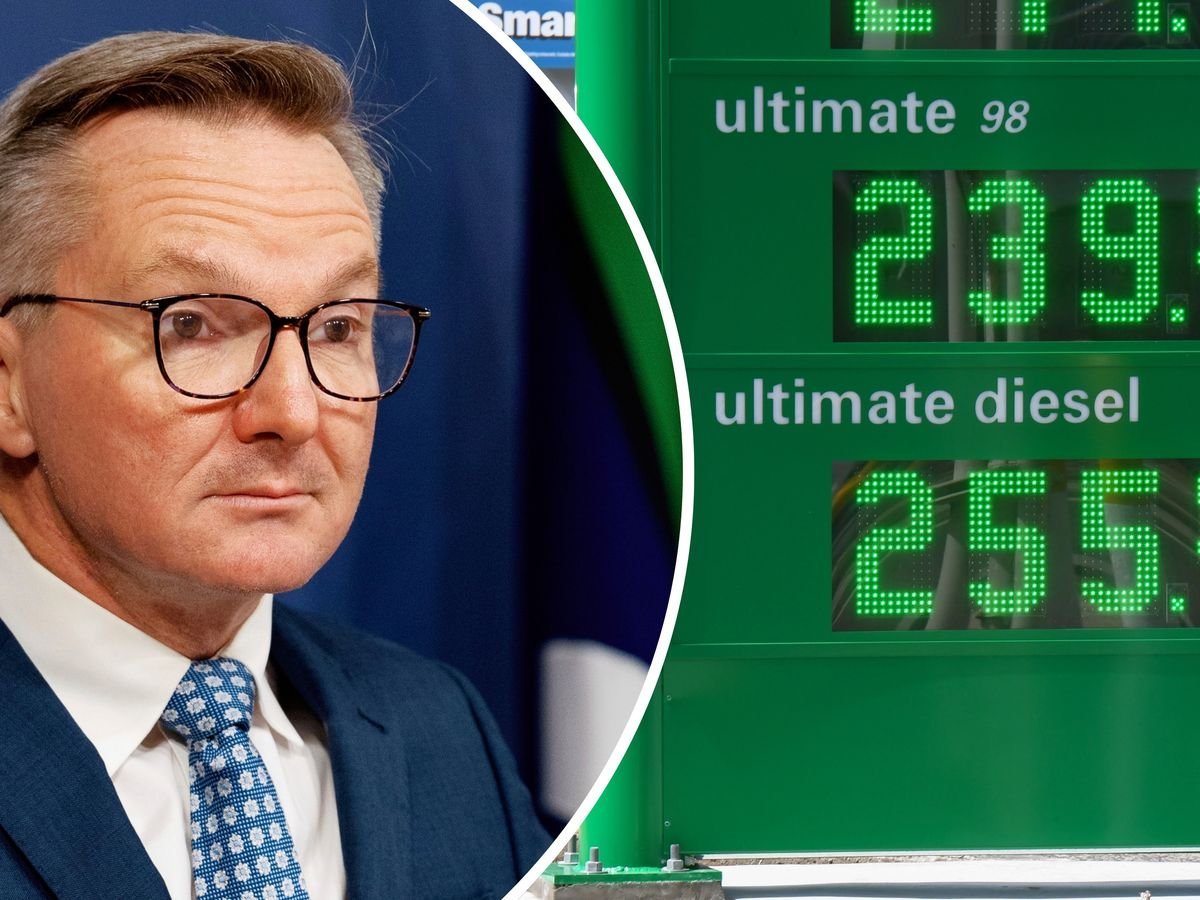
However, Bowen’s evasive responses on Sunrise have only added to the confusion, leaving motorists wondering when they will actually see the benefits.
“Well, as soon as the new petrol arrives that they have not paid the tax on,” Bowen said, stressing that existing fuel stocks had already been taxed, meaning prices may not immediately reflect the cut.

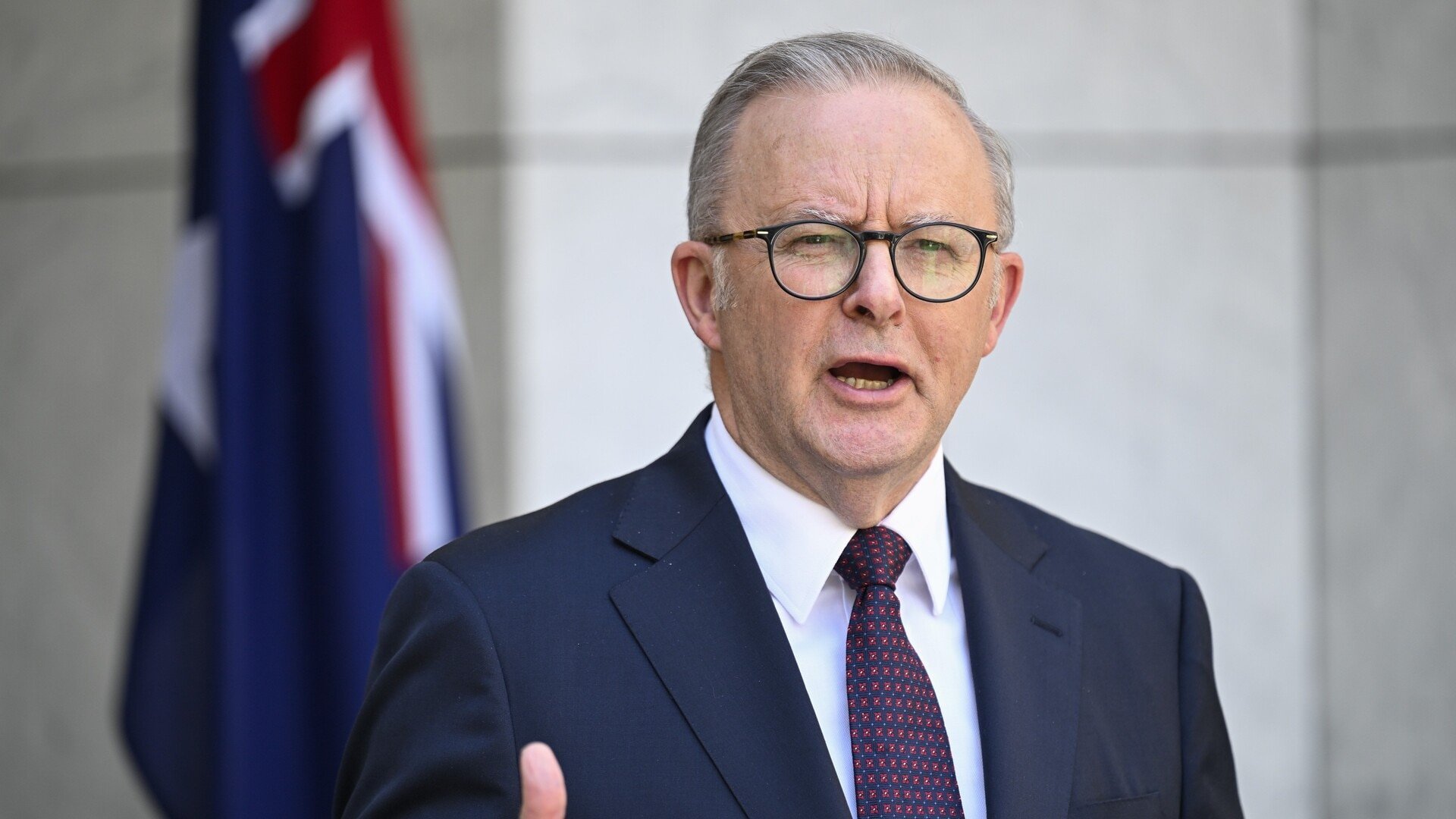

The minister’s vague response has sparked concerns that the government’s efforts may not provide the immediate relief promised.
The situation is further complicated by the fact that regional areas may experience longer delays due to slower turnover, and the issue of patchy supply continues to plague the nation.
Many are questioning how lower prices will address the underlying problem of fuel shortages, which the government attributes to panic buying in the wake of escalating tensions in the Middle East.
Analysis: What This Means for Australia
The fuel crisis has significant implications for national security, law enforcement, and the economy. The government’s inability to provide a clear timeline for when savings will appear at service stations raises concerns about the effectiveness of their emergency measures.
The lack of transparency only adds to the frustration and anxiety felt by Australians, who are struggling to make ends meet amidst rising living costs.
Security analysts say the fuel crisis highlights the nation’s vulnerability to external shocks, underscoring the need for a more diversified energy strategy. Meanwhile, law enforcement insiders warn that the current situation is ripe for exploitation by opportunistic criminals, who may seek to profit from the chaos.
Industry observers believe the government’s handling of the crisis will have long-term consequences for the economy, potentially eroding trust in the authorities and fuelling public discontent.
As the situation continues to unfold, one thing is clear: the fuel crisis is far from over, and Australians will be keeping a close eye on the government’s response.
Fuel Crisis Energy Security