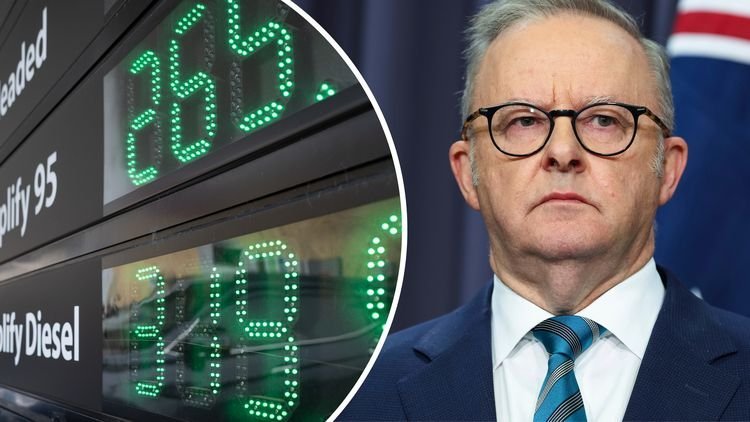
Australia’s Fuel Crisis: How Long Will Our Diesel Last if Imports Drop?
- Fuel rationing could be triggered if national stockpile falls to 10 days’ supply
- Diesel stocks would last six months if imports drop by 20% and 10 weeks if imports drop by 40%
- Government has secured fuel shipments until May, but modelling reveals potential for supply disruptions
The Australian government has been tight-lipped about the threshold for restricting petrol consumption, but a leaked report reveals that fuel rationing could be triggered if the national stockpile falls to a mere 10 days’ supply.
As tensions in the Middle East continue to escalate, the country’s fuel security hangs in the balance.
The government has secured fuel shipments until May, but a modelling report compiled for the federal government in the early days of the conflict suggests that diesel stocks would last only six months if imports drop by 20% and a mere 10 weeks if imports drop by 40%.
This raises serious concerns about the country’s ability to withstand a prolonged supply disruption.
The report, which assumes a moderate reduction in fuel use for personal car transport and largely normal diesel consumption among freight, mining, agriculture, and other industrial sectors, paints a dire picture of Australia’s fuel security.




The analysis suggests that even with voluntary measures to slow consumption, the country’s 30-day diesel stockpile would be depleted by the end of September if imports drop by 20% and by early June if imports drop by 40%.
Analysis: What This Means for Australia
The potential for fuel rationing has significant implications for national security, law enforcement, and the economy. If Australia’s fuel supply is disrupted, it could lead to widespread shortages, panic buying, and even social unrest.
The government’s decision to slash the fuel excise and road user charge may provide some short-term relief, but it does little to address the underlying issues plaguing the country’s fuel security.
Security analysts warn that a prolonged fuel crisis could have far-reaching consequences for Australia’s critical infrastructure, including emergency services, transport, and industry. “A fuel crisis would have a cascading effect on the entire economy,” said one expert.
“It’s not just about filling up your car; it’s about keeping the country moving.”
Law enforcement insiders also express concerns about the potential for social unrest and criminal activity in the event of a fuel crisis. “We’ve seen what happens when people get desperate,” said one officer.
“We need to be prepared for the worst-case scenario.”
Industry observers believe that the government’s decision to slash the fuel excise and road user charge is a short-sighted move that fails to address the underlying issues plaguing the country’s fuel security.
“It’s a Band-Aid solution,” said one industry expert. “What we need is a comprehensive plan to secure our fuel supply and reduce our reliance on imports.”
As the situation continues to unfold, one thing is clear: Australia’s fuel security is at risk, and the government must take immediate action to address the crisis.
The question is, will they act before it’s too late?