Albanese’s Watered-Down Gambling Reforms Spark Outrage: Experts Slam “Half-Assed” Approach
- Prime Minister Anthony Albanese unveils partial ban on gambling ads, but critics say it doesn’t go far enough to protect children and communities
- Reforms include three-ad-per-hour cap on TV broadcasts, ban on radio ads during school hours, and opt-out rules for online promotions
- Experts and advocates accuse government of taking a “watered-down” approach, failing to address online gambling harms and pokie machine addiction
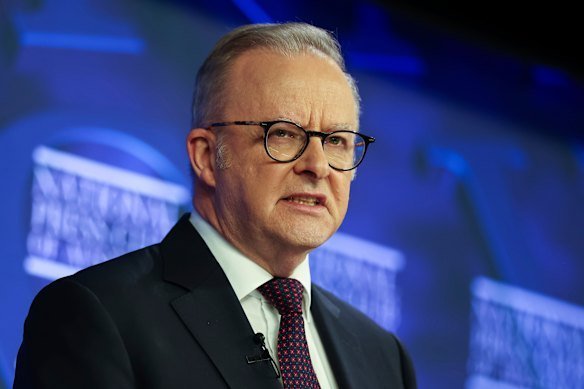
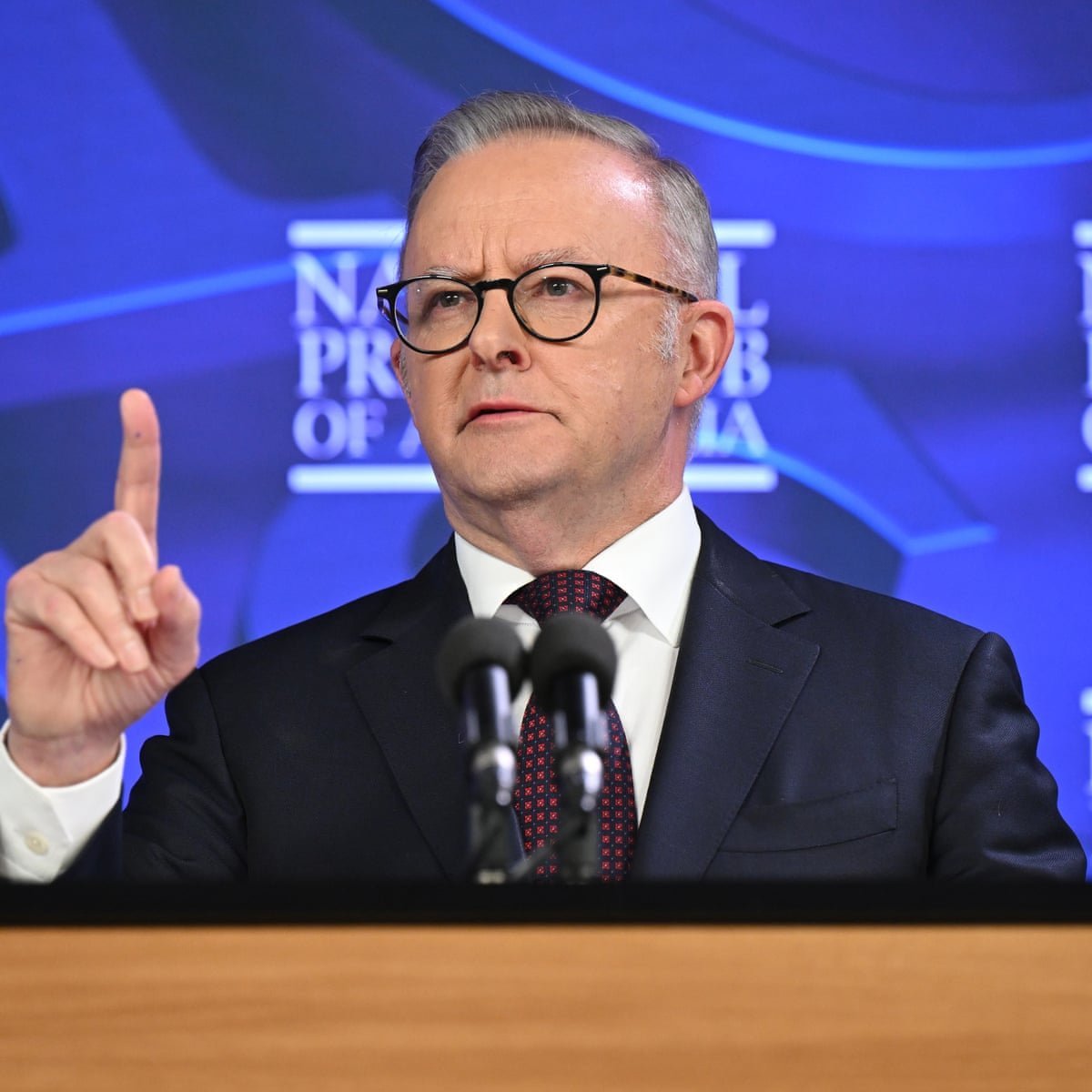
In a highly anticipated address to the National Press Club, Prime Minister Anthony Albanese revealed a package of gambling reforms that has been met with widespread criticism and disappointment.
While the government’s plan includes some restrictions on gambling advertising, experts and advocates are accusing the Albanese government of taking a “half-assed” approach that fails to adequately address the harms caused by gambling.
The reforms, which were announced in response to the “You Win Some, You Lose More” report by the late Labor MP Peta Murphy, include a three-ad-per-hour cap on television broadcasts between 6am and 8.30pm, a complete ban during live sport broadcasts in that period, and a ban on radio gambling ads during school pick-up and drop-off times.
Additionally, gambling ads would be banned on online platforms unless users are logged in, are over 18, and have the option to opt out.
However, critics argue that these measures do not go far enough to protect children and communities from the harms of gambling. The report had recommended a phased total ban on online gambling advertising, as well as TV, radio, and in-stadium and on-jerseys ads.


It also called for a national online gambling harm reduction strategy, clearer Commonwealth regulation, a new independent online gambling ombudsman, and a harm-reduction levy on betting companies to fund research, education, and support services.
“We want action, yes — but not a charade,” said Deakin University professor Samantha Thomas, who researches gambling. “The government’s response is a watered-down approach that fails to address the root causes of gambling addiction and harm.”
Independent ACT senator David Pocock was also scathing in his criticism, accusing the government of trying to “bury” the report’s recommendations under the cover of international uncertainty.
“Australians haven’t suffered through years of harm at the hands of gambling companies to see some kind of half-assed response from an Albanese government captured by vested interests,” he said.
Analysis: What This Means for Australia
The government’s reforms may be seen as a step in the right direction, but they fall short of addressing the scale of the problem. Gambling addiction is a significant public health issue in Australia, with millions of people affected every year.
The failure to introduce a total ban on online gambling advertising and to tackle pokie machine addiction will likely mean that many Australians will continue to suffer at the hands of gambling companies.
Security analysts say that the government’s approach may also have national security implications, as online gambling platforms can be used for money laundering and other illegal activities.
By failing to take a stronger stance on online gambling, the government may be leaving the door open to organized crime and other security threats.
Law enforcement insiders warn that the reforms may also have unintended consequences, such as driving gambling underground and creating new opportunities for illegal operators. This could lead to a rise in illegal gambling and associated criminal activity, which would undermine the government’s efforts to reduce harm.
Industry observers believe that the government’s approach may also have economic consequences, as the gambling industry is a significant contributor to the Australian economy. By failing to take a stronger stance on gambling reform, the government may be missing an opportunity to generate revenue and create jobs.