Tragedy Over the Gulf: Pilot Dies in Crocodile-Infested Waters After Plane Crash in Remote Australia
- A pilot’s body was recovered from crocodile-infested waters two days after a fatal plane crash in the Gulf of Carpentaria
- The Australian Transport Safety Bureau’s preliminary report reveals the aircraft struck a tree after taking off from Normanton Airport
- The 32-year-old pilot from Cairns died in the crash, which occurred on February 6, 2026
- Investigators are still piecing together the events leading up to the tragedy, with a final report expected at the end of the investigation
The small town of Normanton in remote Queensland was left reeling after a tragic plane crash claimed the life of a 32-year-old pilot in February this year.
The Australian Transport Safety Bureau (ATSB) has released a preliminary report into the incident, which paints a harrowing picture of the events leading up to the crash.
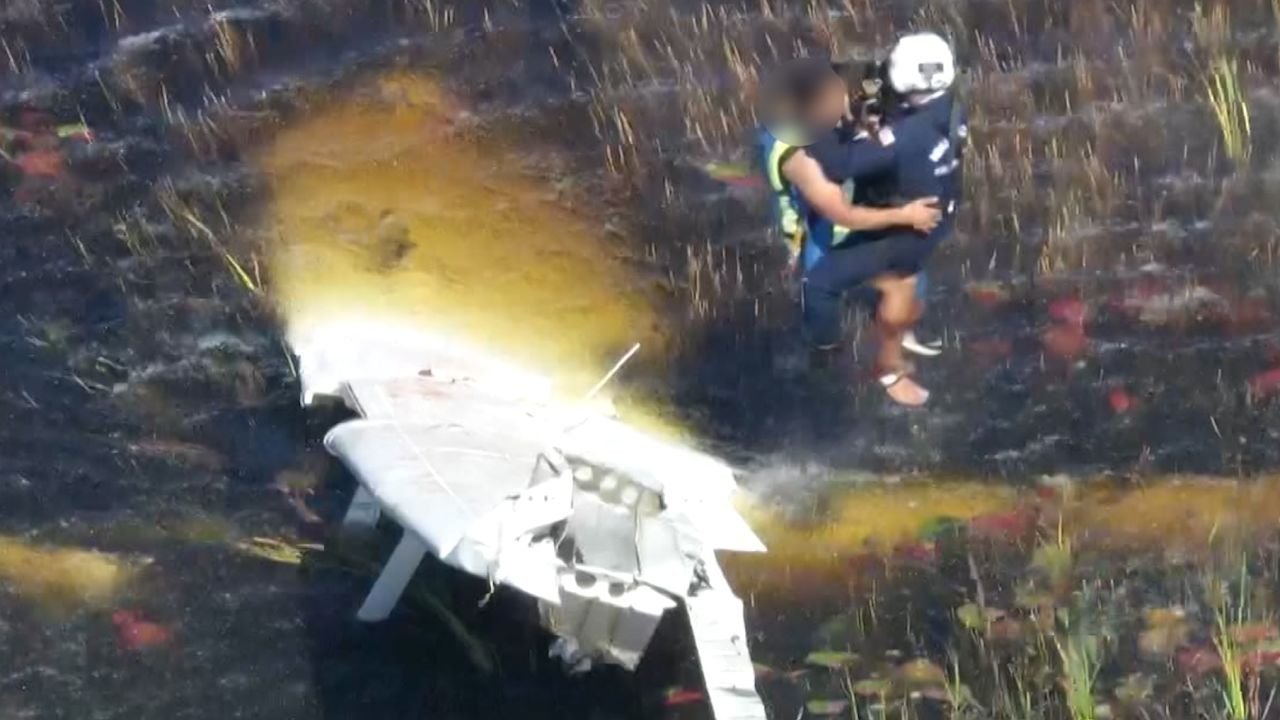
The pilot, from Clifton Beach in Cairns, was flying a Machjet International Beechcraft King Air B200 when the aircraft came down in the Gulf of Carpentaria, approximately 800 metres west of Normanton Airport.

The plane had taken off from runway 32, but climbed to a maximum of only 46 metres above ground level before descending and colliding with terrain.
The ATSB report reveals that the aircraft was destroyed in the crash, with the pilot’s body recovered two days later in the rugged marsh. The investigation is ongoing, but preliminary findings suggest that the plane struck a tree before crashing into the crocodile-infested floodwaters.




The circumstances surrounding the crash are still shrouded in mystery, but the ATSB is working to piece together the events leading up to the tragedy.
The pilot had boarded four passengers in Normanton and flown to Doomadgee, about 240 kilometres to the west, before returning them to Normanton about four hours later.
Security analysts say the incident highlights the risks faced by pilots operating in remote areas of Australia, where the terrain is unforgiving and the weather conditions can be treacherous.
“This crash is a stark reminder of the dangers faced by pilots flying in rural and remote areas,” said one expert.
“The investigation will need to look at all factors, including the pilot’s experience, the aircraft’s maintenance, and the weather conditions at the time of the crash.”
Analysis: What This Means for Australia
The crash has serious implications for national security and law enforcement, particularly in terms of aviation safety and border control. The incident highlights the need for improved safety protocols and more stringent regulations for pilots operating in remote areas.
Furthermore, the crash raises concerns about the preparedness of emergency services to respond to such incidents in remote areas.
Industry observers believe the incident will lead to calls for increased investment in rural aviation infrastructure and improved training for pilots operating in challenging environments. “This tragedy is a wake-up call for the aviation industry,” said one expert.
“We need to ensure that our pilots are equipped with the skills and resources they need to operate safely in rural and remote areas.”
The investigation is ongoing, with the ATSB expected to release a final report at the end of the investigation.
As the facts continue to emerge, one thing is clear: the crash is a devastating reminder of the risks and sacrifices made by pilots and emergency responders in rural and remote Australia.