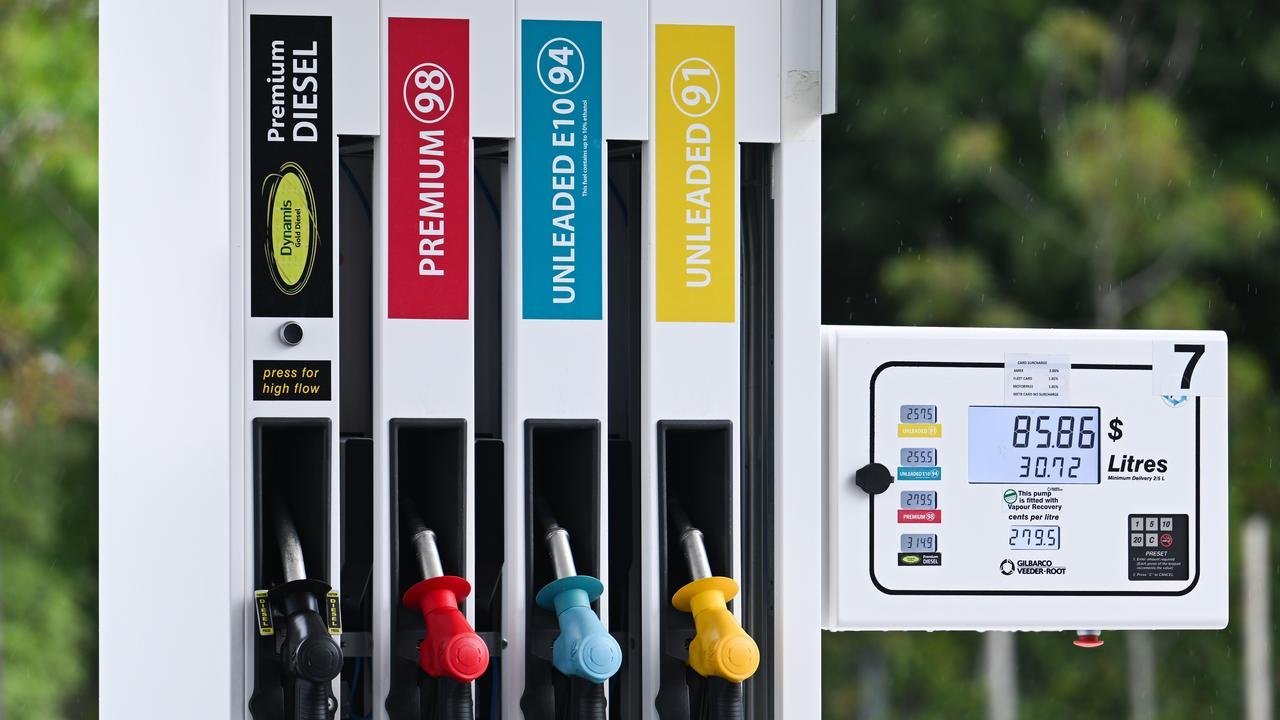
Fuel Price War: States Unite to Slash Petrol Costs by 32 Cents Per Litre, But Will It Be Enough to Ease the Pain at the Pump?
- Fuel excise to be cut by 32 cents per litre until the end of June, bringing relief to families, farmers, and businesses
- State and territory leaders agree to forgo $400 million in GST revenue to fund the additional cut
- Treasurer Jim Chalmers expected to implement the changes “almost immediately”
- But will the move be enough to offset the rising cost of living and ease the pressure on Australian households?
The latest development in the fuel price war has brought a glimmer of hope to Australian motorists, with state and territory leaders agreeing to cut the fuel excise by a further 5.7 cents per litre.
This move comes on top of the Commonwealth’s earlier decision to halve the fuel excise by 26.3 cents per litre, bringing the total reduction to 32 cents per litre until the end of June.
The decision is a significant victory for families, farmers, and businesses who have been feeling the pinch of rising fuel prices.
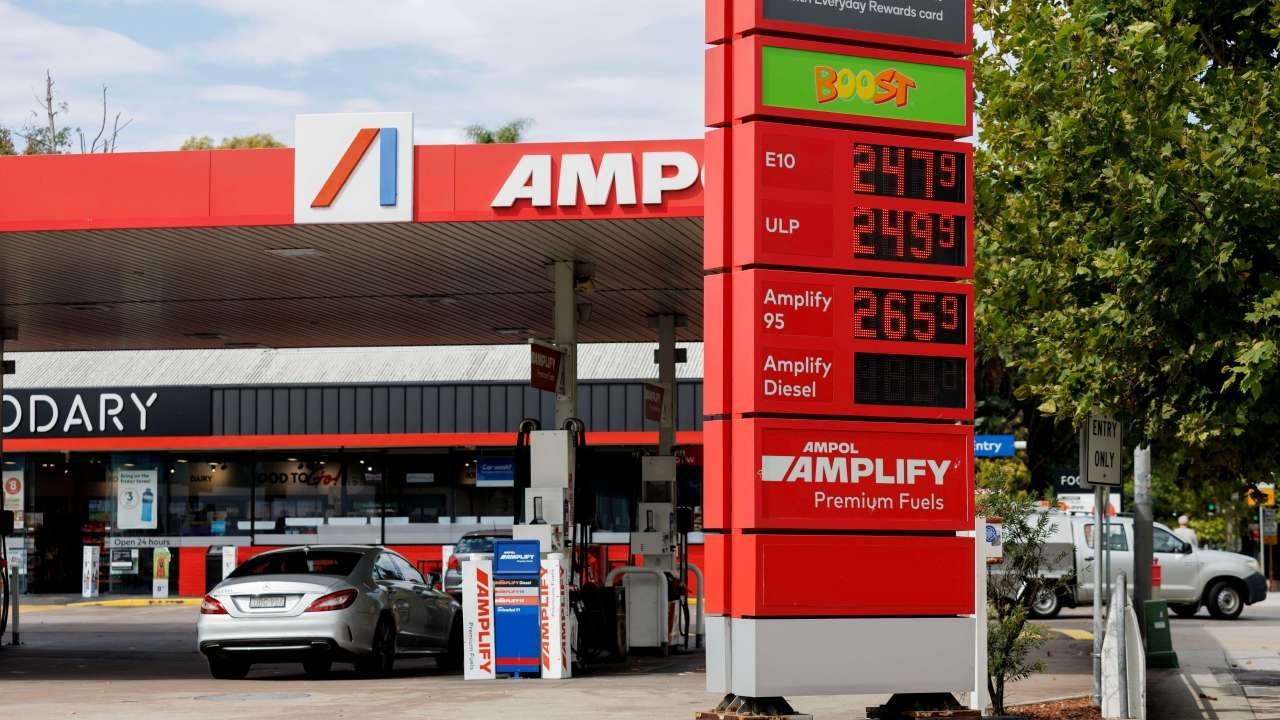
WA Premier Roger Cook, who led the discussions between state and territory leaders, said the move would bring much-needed relief to those struggling to make ends meet.
“This will mean cheaper fuel for families and farmers and businesses,” Mr Cook told ABC Radio Perth. “We’ve advised the Commonwealth that we’re happy to forgo that $400 million from the GST pool.




They will now need to implement what they need to do in order to make the excise changes as part of that decision.”
The fuel excise cut is a welcome respite from the rising cost of living, which has been exacerbated by the ongoing conflict in the Middle East.
Fuel prices have been on the rise since the conflict broke out, putting pressure on Australian households and businesses. The latest move is expected to bring some much-needed relief, but the question remains: will it be enough?
Analysis: What This Means for Australia
The decision to cut the fuel excise is a significant one, but it’s only a temporary measure. The real challenge lies in addressing the underlying causes of rising fuel prices, which are largely driven by global events beyond Australia’s control.
As the conflict in the Middle East continues to simmer, the threat of further price hikes remains.
Security analysts say that the ongoing instability in the region will continue to put pressure on fuel prices, and that the government needs to take a long-term approach to addressing the issue.
“The fuel excise cut is a welcome move, but it’s just a Band-Aid solution,” said one security expert. “The government needs to invest in alternative energy sources and reduce our reliance on imported fuel to really make a difference.”
Law enforcement insiders also warn that the fuel price hike has created a lucrative market for fuel smugglers and illegal operators, who are taking advantage of the price differential between Australia and other countries.
“The government needs to crack down on fuel smuggling and illegal operators to ensure that the fuel excise cut doesn’t just benefit criminals,” said one law enforcement source.
Industry observers believe that the fuel excise cut will have a positive impact on the economy, but it’s only a short-term fix. “The government needs to focus on creating a sustainable energy policy that addresses the root causes of rising fuel prices,” said one industry expert.
“Anything less is just a temporary solution.”