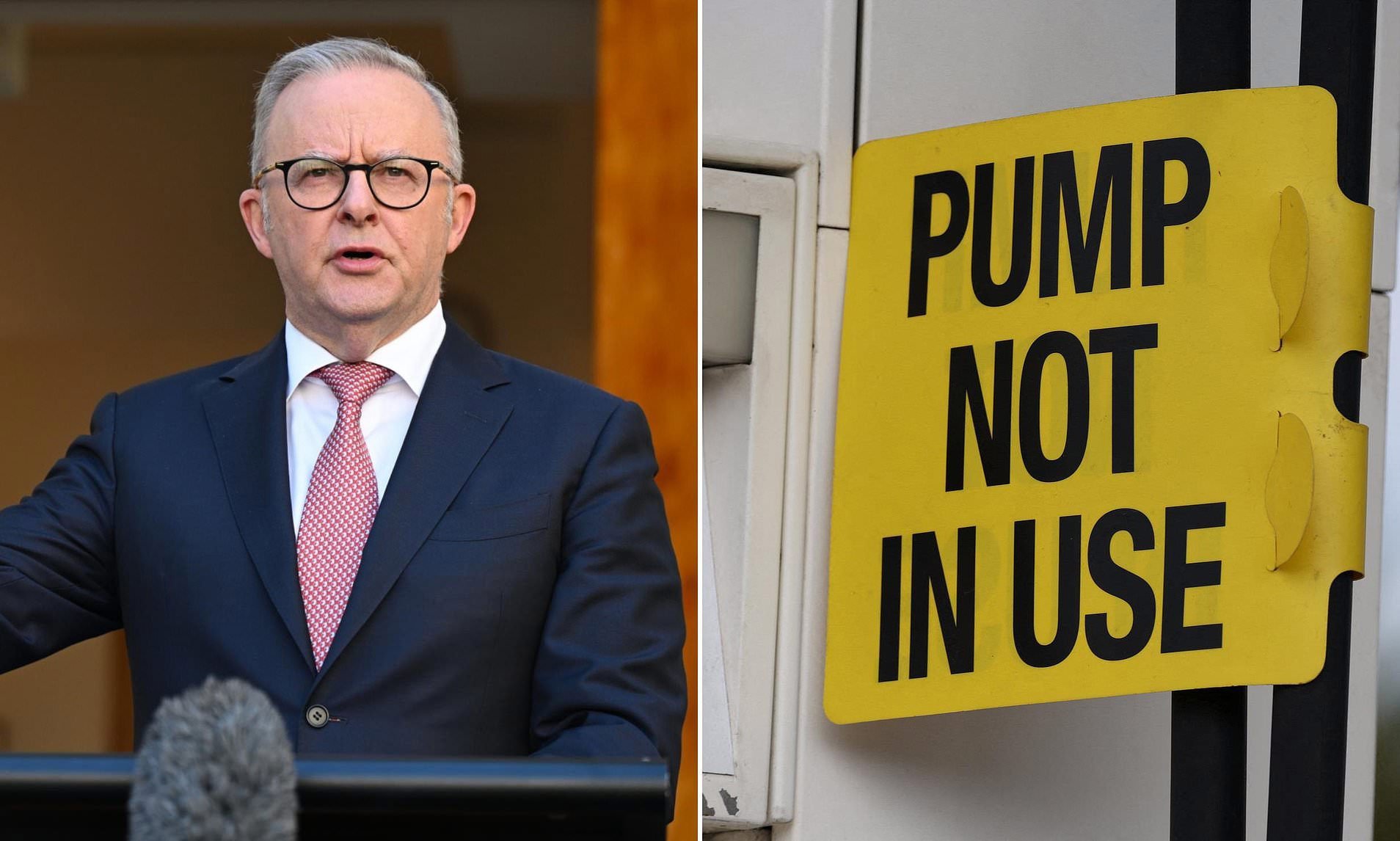
Fuel Fears: Expert Shuts Down Rationing Rumours as PM’s Crisis Address Sparks Backlash
- Energy expert John Blackburn dismisses fuel rationing fears as “speculation” that could worsen the situation
- PM Anthony Albanese’s primetime address sparks criticism for lacking detail and fuelling uncertainty
- Australia faces tough times ahead as global fuel pressures intensify, but experts say a co-ordinated effort is needed to manage the crisis
The fuel crisis debate has reached fever pitch, with an energy expert shutting down growing fears of fuel rationing after Easter.
The reassurance comes as Prime Minister Anthony Albanese faces mounting criticism over his primetime national address, which warned Australians of tough times ahead as global fuel pressures intensify.
The rare televised address, which interrupted regular programming on Wednesday night, sparked a heated debate about the government’s handling of the crisis.
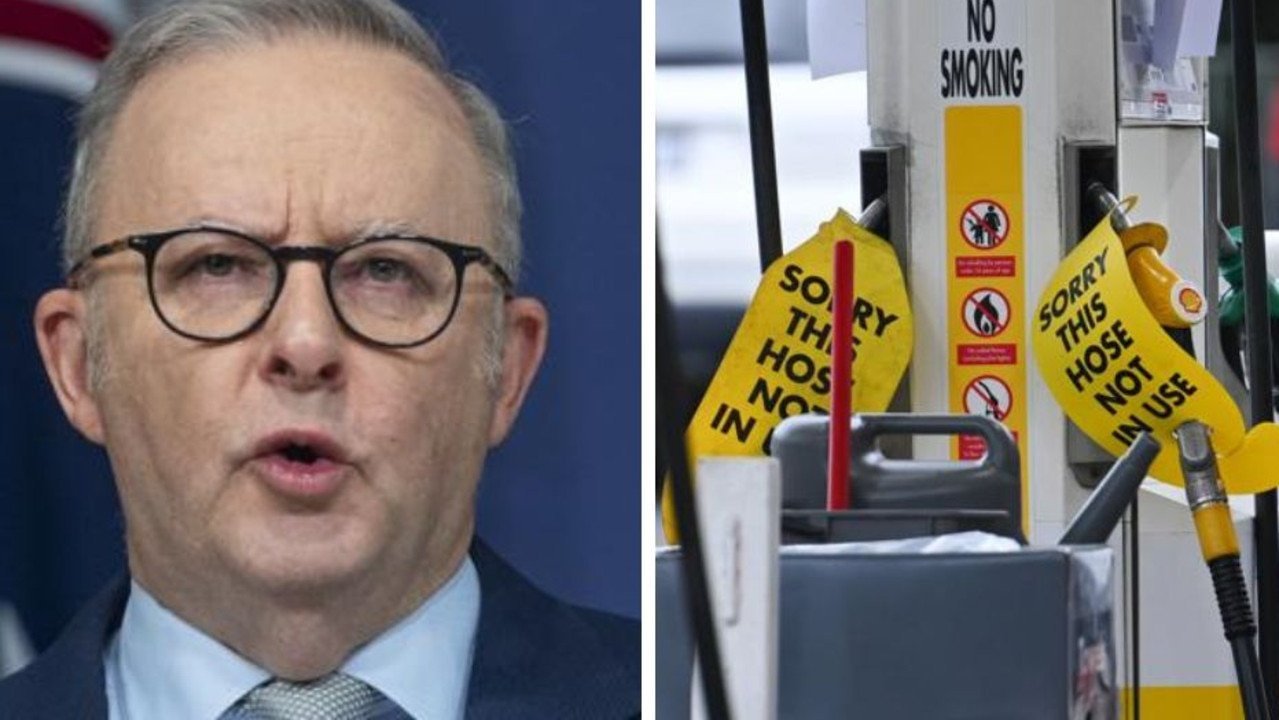
Albanese urged Australians to limit their fuel use and only take what they need, but critics argue the speech lacked detail and may have fuelled uncertainty at a critical moment.
Energy expert John Blackburn from the Australian Institute of Energy said the absence of specifics in the address had opened the door to speculation, including claims circulating online about potential fuel rationing.



“No, there will not be any possibility of rationing after Easter. But when people start saying that, it causes concern, and it’s going to make the situation worse,” he said.
Blackburn believes the prime minister appeared to be attempting to shift from “politician mode” to “national leader mode”, describing it as a difficult transition for a government that has not previously navigated a crisis of this scale.
The expert warned that managing the situation would require a co-ordinated effort across the country, not just action from Canberra.
“It’s about the team. So, what can we do in the community?
What can businesses do? What can government do?
It’s not just waiting for somebody else to take the lead. And that’s part of the message I think he missed,” he said.
The address marked Australia’s first national broadcast since the COVID-19 pandemic and, before that, the global financial crisis. As the country faces an uncertain future, the government’s ability to communicate effectively and inspire public trust will be crucial in navigating the fuel crisis.
Analysis: What This Means for Australia
The fuel crisis has significant implications for national security, law enforcement, and the economy. As global fuel pressures intensify, Australia’s ability to manage the situation will be put to the test.
The government’s response will have a direct impact on public safety, with the potential for fuel shortages and rationing to spark social unrest and economic instability.
Security analysts say the crisis highlights the need for a co-ordinated approach to managing critical infrastructure, including fuel supplies. “The government must work closely with industry and the community to ensure a unified response to the crisis,” said one expert.
Law enforcement insiders warn that any disruption to fuel supplies could have serious consequences for public safety, including the potential for violent protests and looting. “The government must take a proactive approach to maintaining order and preventing social unrest,” said another expert.
Industry observers believe the crisis will have significant economic consequences, including higher prices at the pump and potential shortages of essential goods.
“The government must take swift action to mitigate the economic impact of the crisis and ensure the continued supply of essential goods and services,” said an industry insider.