Lebanon’s Forgotten Christians: Trapped, Terrorized, and Teetering on the Brink of Disaster as Israel’s War Machine Rolls On
- Christian villages in southern Lebanon are under siege, with thousands of residents refusing to leave despite Israeli warnings and intensifying bombardment.
- Bashir Nadaff, a father of one, lies in a Beirut hospital bed, his body pierced by shrapnel and debris from an Israeli attack on his village.
- As the conflict escalates, Lebanon’s Christian community fears another long-term occupation, with memories of Israel’s 1982 invasion still fresh in their minds.
- With over 1,300 killed and 1 million displaced, the humanitarian crisis in Lebanon is spiraling out of control, and the international community is scrambling to respond.
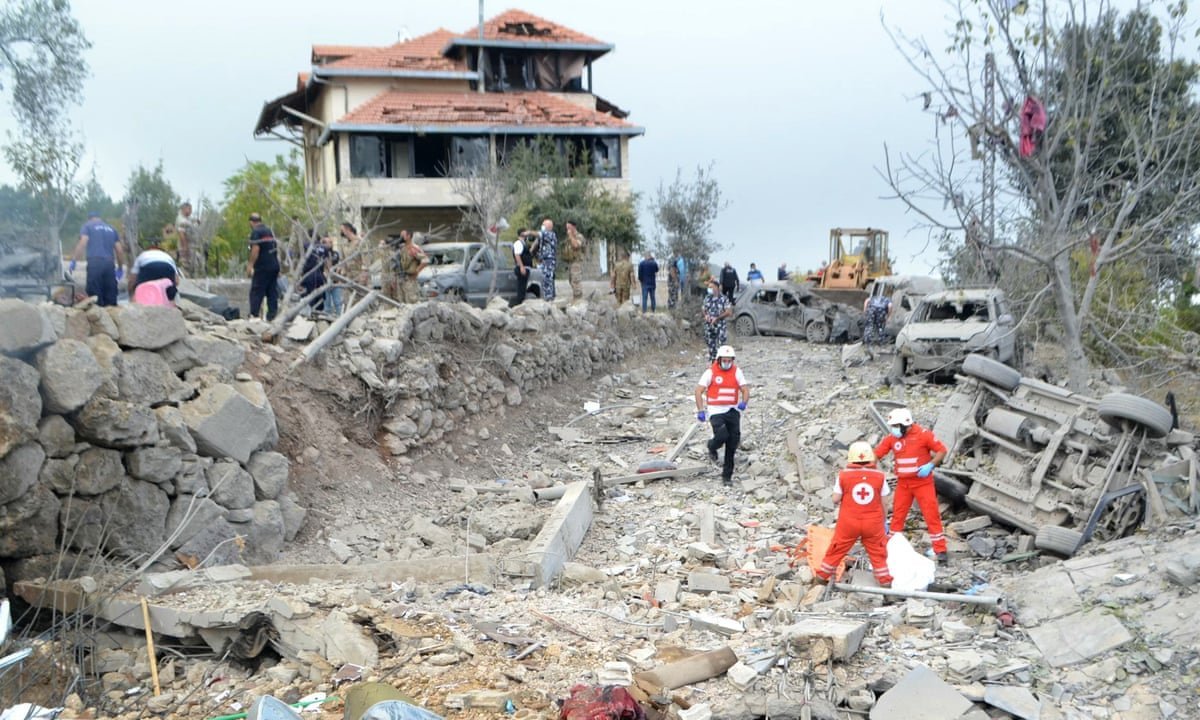
The sound of Israeli bombs echoes through the streets of Rmeich, a small Christian village in southern Lebanon, as residents huddle in fear, unsure of what the next moment will bring.
For 24-year-old speech therapist Teresa Touma, the decision to stay is not just about defying the odds, but about holding on to her identity and her sense of belonging.
“I stayed because leaving feels like giving up everything that defines me,” she says, her voice trembling with emotion.
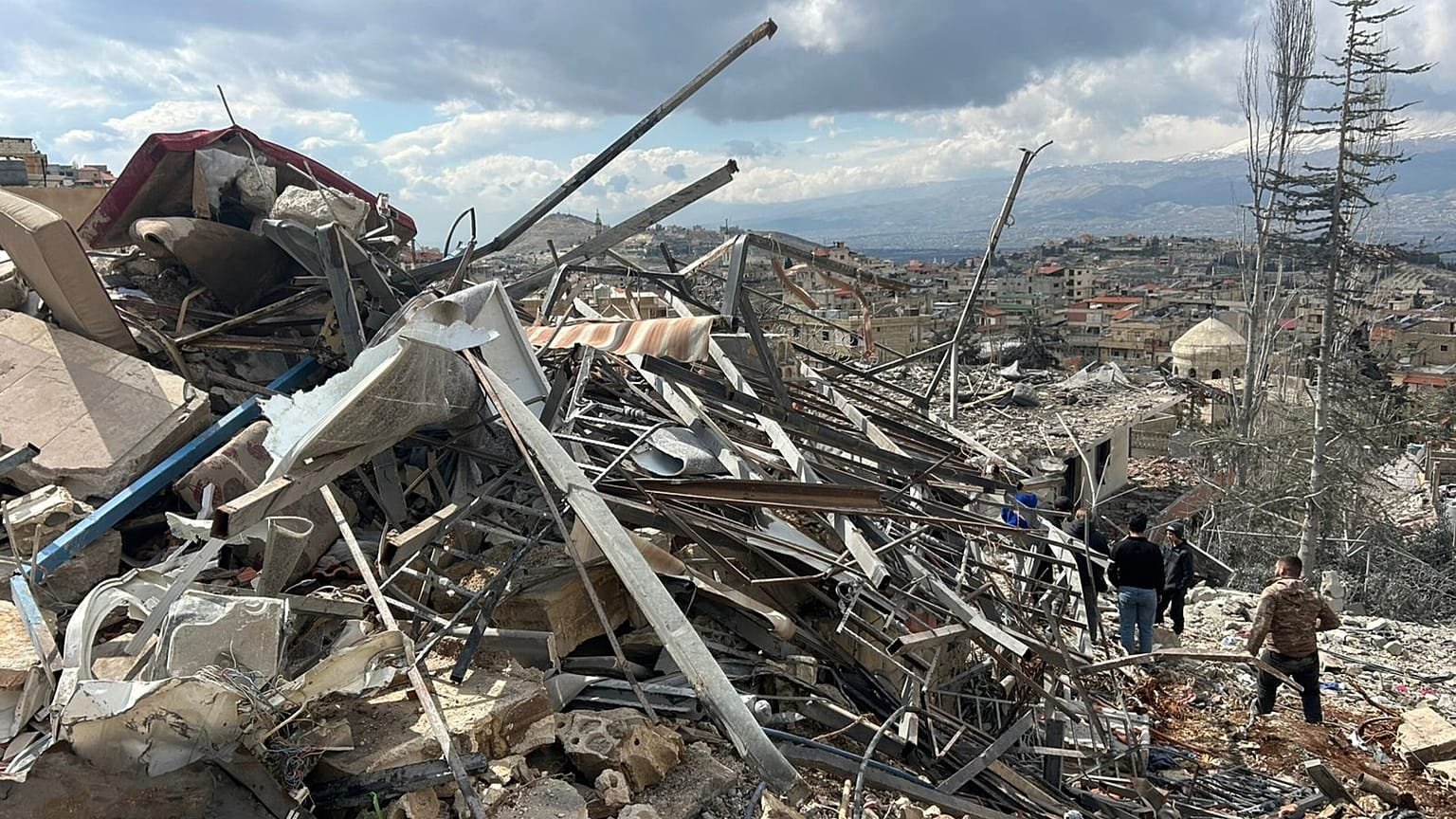
But for Bashir Nadaff, a father of one, the reality of war is all too real.
Lying in a Beirut hospital bed, his body pierced by shrapnel and debris from an Israeli attack on his village, he is struggling to come to terms with the trauma he has endured.

“I used my body to protect my wife and daughter as our house was repeatedly hit with tank and gunfire,” he recalls, his eyes haunted by the memories of that fateful day.
The Israeli military’s actions in southern Lebanon have sparked widespread condemnation, with many accusing the government of targeting civilians and disregarding international law. The IDF has denied these allegations, insisting that its strikes are aimed at Hezbollah militants and their infrastructure.
But for the residents of Débel, a Christian town just 6 kilometers north of the Israel-Lebanon border, the reality is far more complex.
“We cannot leave, we cannot move, we are trapped,” says municipality president Akl Naddaf, his voice laced with desperation. “We no longer have access to drinking water, and our artesian well is now occupied by Israel.
We cannot reach it.” As the situation deteriorates, the Lebanese Army has pulled out of the area, leaving residents to fend for themselves.
Analysis: What This Means for Australia
The conflict in Lebanon has significant implications for Australia’s national security and foreign policy. As a key player in the region, Australia has a vested interest in promoting stability and security in the Middle East.
The Israeli-Palestinian conflict is a major flashpoint, and the involvement of other countries, including Iran and Hezbollah, adds to the complexity of the situation.
Australia’s response to the crisis will be closely watched by its allies and adversaries alike.
The government’s decision to provide humanitarian aid to Lebanon is a welcome move, but more needs to be done to address the root causes of the conflict.
This includes working with international partners to promote a ceasefire, supporting diplomatic efforts to resolve the conflict, and providing support to affected communities.
Security analysts say that the conflict in Lebanon highlights the need for Australia to review its military strategy and preparedness. “The situation in Lebanon is a stark reminder of the complexities and uncertainties of modern conflict,” says one analyst.
“Australia needs to be prepared to respond to a range of scenarios, from humanitarian crises to full-scale wars.”
Law enforcement insiders warn that the conflict in Lebanon also has implications for Australia’s domestic security.
“The situation in Lebanon is a breeding ground for extremist ideologies, and we need to be vigilant about the potential for these ideologies to spread to Australia,” says one source.
As the conflict in Lebanon continues to escalate, it is clear that the international community needs to take a more proactive role in promoting peace and security in the region.
For Australia, this means working with its allies and partners to address the root causes of the conflict, supporting diplomatic efforts to resolve the conflict, and providing support to affected communities.
But for the residents of Rmeich and Débel, the situation is far more personal.
As they huddle in fear, waiting for the next bomb to drop, they can only hope that the international community will act soon to bring an end to their suffering.
As Teresa Touma so eloquently puts it, “The future, honestly, it feels unclear, almost blurred. But despite everything, there is a small part of us that refuses to stop hoping because without hope, it would be impossible to stay.”