Trump’s Foul-Mouthed Fury Unlikely to Ease Middle East Tensions as Iran Threatens Global Shipping and Australia Faces Fuel Crisis
- A leading maritime security expert warns US President Donald Trump’s expletive-laden warning to Iran will only escalate tensions in the Middle East.
- The Strait of Hormuz remains severely constrained, with only 8 ships passing through yesterday compared to the usual 138, as Iran threatens global shipping.
- Australia faces a fuel crisis as petrol prices soar above $2 a litre and diesel hits $3, with 2,000 ships waiting to pass through the strait.
- Experts warn that Iran’s potential plan to charge vessels millions of dollars for safe passage could disrupt global trade routes and drive prices even higher.
The Middle East is on high alert as US President Donald Trump’s latest outburst has done little to ease tensions in the region.
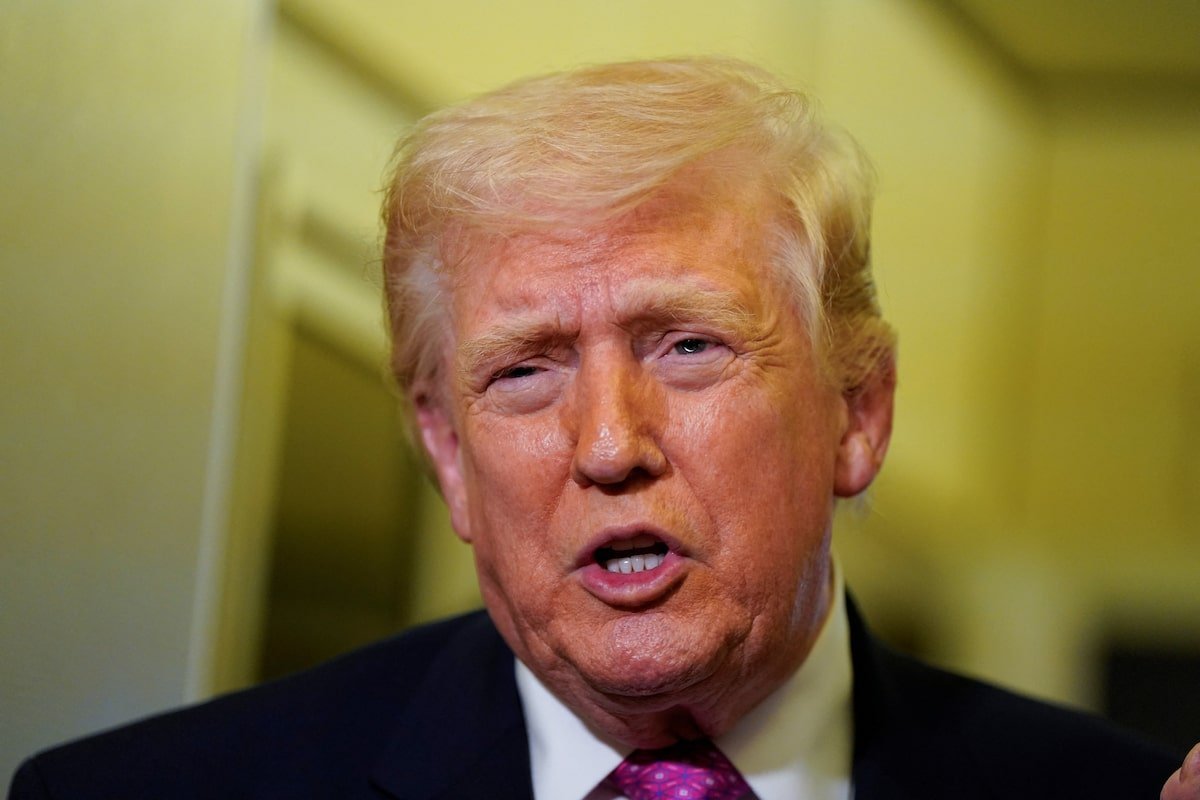
Trump’s expletive-laden warning to Iran to “open the F*****’ Strait” has been met with skepticism by experts, who warn that the rhetoric is unlikely to make any meaningful difference on the ground.
Former Australian Defence Force senior officer and maritime security specialist Jennifer Parker told Sunrise that Trump’s tweet is unlikely to help the situation or aid negotiations.
“That is not going to change the current flow of shipping through the strait,” she said. Parker added that what is urgently needed is confidence, not aggressive rhetoric.
“Really, what needs to happen is there needs to be reassurance to those international shippers that it is safe to take their ships through the strait.”



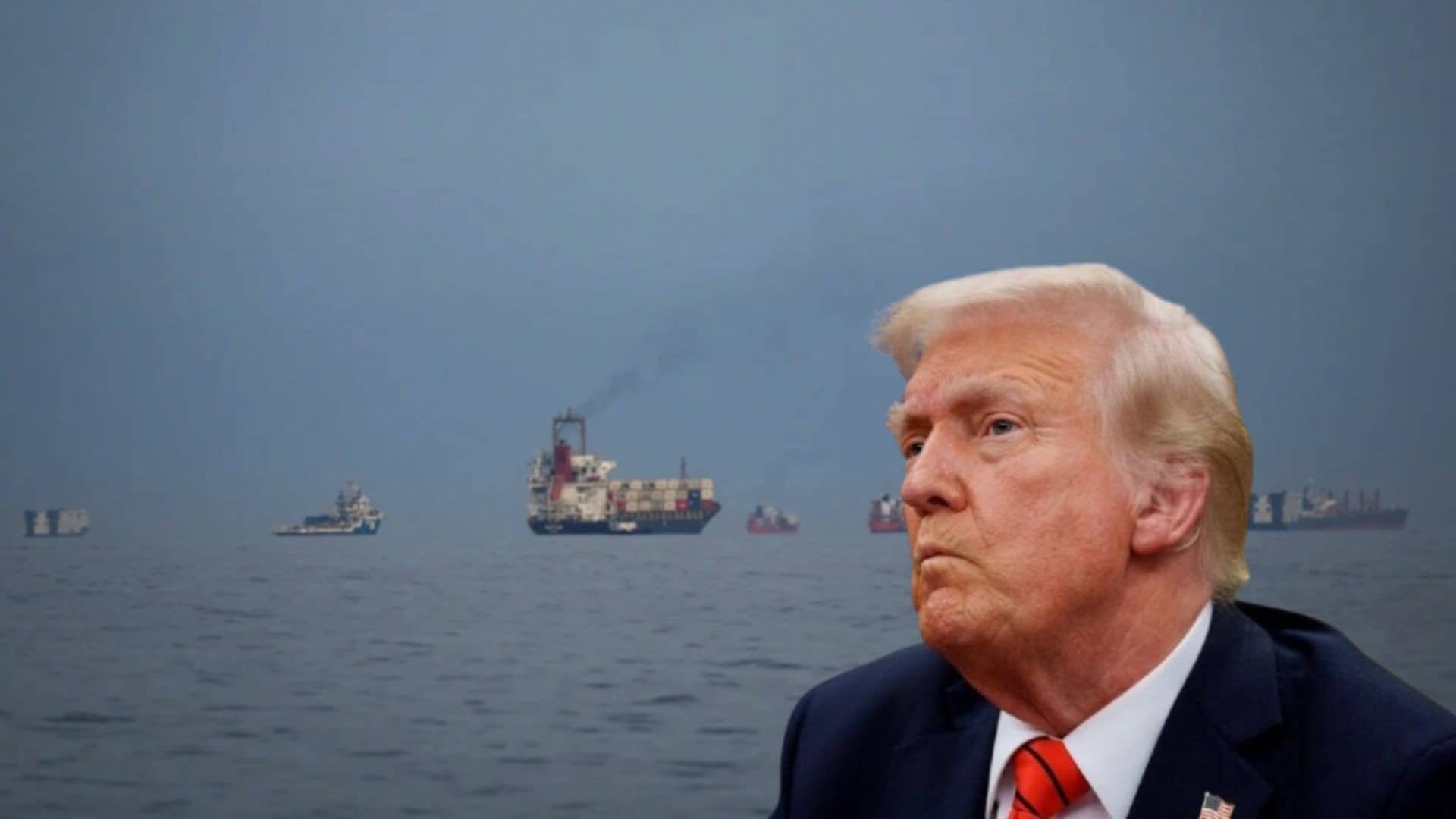
The Strait of Hormuz, a critical waterway that connects the Persian Gulf to the Arabian Sea, remains severely constrained. Parker revealed that only 8 ships passed through the strait yesterday, compared to the usual 138.
“There’s been 27 attacks, one attack over the weekend on shipping by Iran,” she said. The attacks have left 2,000 ships waiting inside and outside of the Gulf to pass through, further exacerbating the global energy crisis.
Australia is feeling the pinch, with petrol prices soaring above $2 a litre and diesel hitting $3 in many areas. The crisis has sparked concerns about the country’s energy security and the impact on the economy.
Parker warned that the situation could worsen if Iran’s potential plan to charge vessels millions of dollars for safe passage becomes a reality. “Ships are entitled to transit passage through this strait.
It is an international strait,” she said.
Experts warn that if Iran is allowed to charge for safe passage, it could set a dangerous precedent and disrupt global trade routes.
“If the international community allow that to happen, you may well see countries around the world that sit on the 13 key choke points like Singapore and the Strait of Malacca and others start to think this is a good idea,” Parker said.
The consequences would be far-reaching, driving prices even higher for consumers already feeling the strain.
Analysis: What This Means for Australia
The crisis in the Middle East has significant implications for Australia’s national security and economy. The country’s reliance on imported fuel makes it vulnerable to disruptions in global supply chains.
The Australian government must take a proactive approach to address the crisis, working with international partners to ensure the safe passage of ships through the Strait of Hormuz.
Security analysts say that the situation highlights the need for Australia to diversify its energy sources and reduce its reliance on imported fuel.
“The crisis in the Middle East is a wake-up call for Australia to invest in renewable energy and develop a more sustainable energy policy,” said one analyst.
Law enforcement insiders warn that the crisis could also have implications for Australia’s border security.
“The situation in the Middle East could lead to an increase in people smuggling and other illicit activities, which could pose a threat to Australia’s national security,” said one insider.
Industry observers believe that the crisis could have far-reaching consequences for global trade and the economy.
“The disruption to global supply chains could lead to higher prices and reduced economic growth, which could have a significant impact on Australia’s economy,” said one observer.