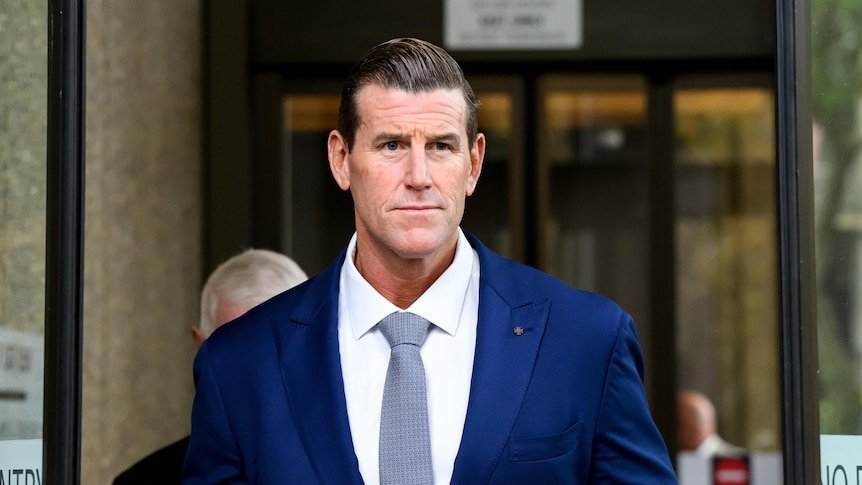
War Hero or War Criminal? Ben Roberts-Smith’s Shocking Fall from Grace Exposes Dark Secrets of Australia’s Elite Special Forces
- Ben Roberts-Smith, Australia’s most decorated living soldier, faces five charges of the war crime of murder, with a maximum penalty of life in prison.
- The decorated soldier’s looming trial has sparked a national debate on the accountability of Australia’s elite special forces and the true cost of their actions in Afghanistan.
- As the country grapples with the allegations, a growing number of former special forces operators are speaking out against the “warrior” culture that allowed these crimes to take place.
- The case has also raised questions about the role of senior officials in the Australian Defence Force and whether they turned a blind eye to the atrocities committed by their troops.
Ben Roberts-Smith, the man once hailed as a national hero, now sits in a single cell at Sydney’s Silverwater jail, facing the very real possibility of spending the rest of his life behind bars.
The charges against him are historic, marking only the second time an Australian Defence Force member has been charged with a war crime under Australian law.
The allegations against Roberts-Smith are shocking and disturbing.
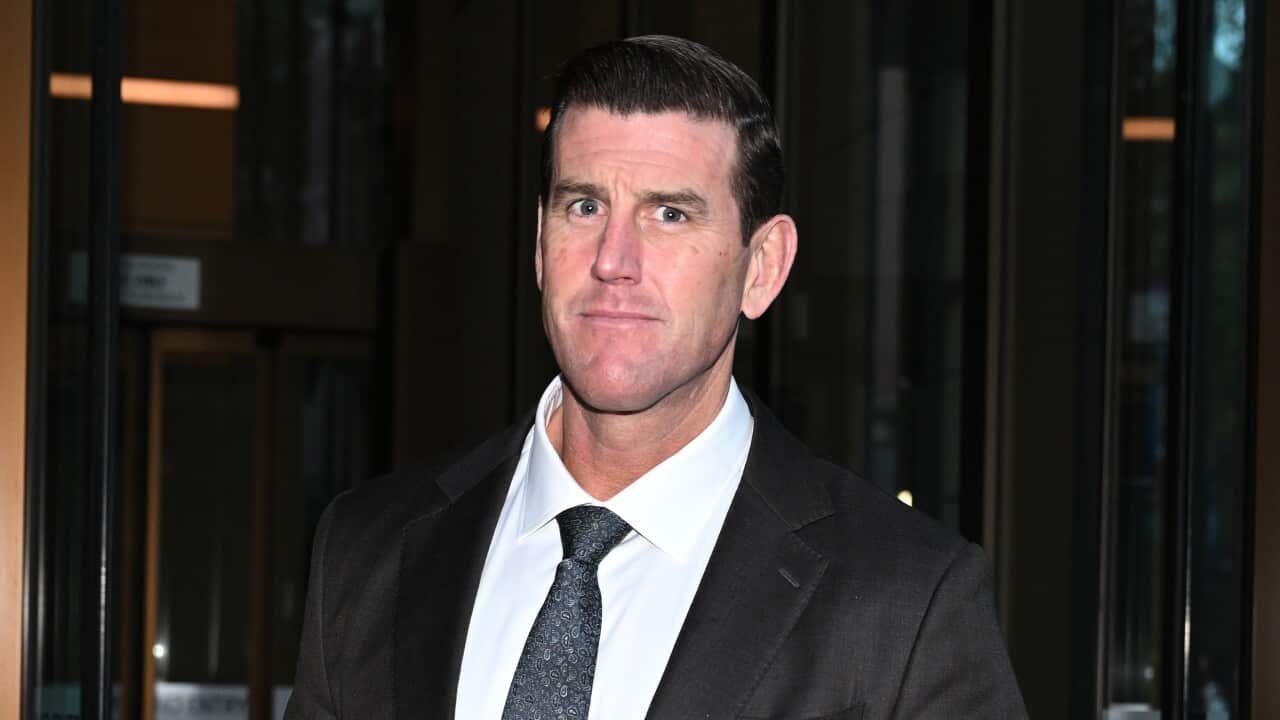
It is alleged that he either killed, or “aided, abetted, counselled or procured” a subordinate soldier to kill several unarmed, detained people in three separate incidents between 2009 and 2012.
The maximum penalty for the war crime of murder is life in prison.




The case has sparked a significant community response, with many avoiding commentary on the case to avoid jeopardizing the court process. However, others, particularly on the conservative side of politics, have been deeply critical of the arrest and the manner in which it was carried out.
Nationals MPs like Michael McCormack, Pat Conaghan, and Bridget McKenzie have aired concerns, while One Nation leader Pauline Hanson has remained “steadfast in her support” of Roberts-Smith.
Opposition Leader Angus Taylor has also been critical of the manner of Roberts-Smith’s arrest, questioning whether the government was informed about the decision to make the arrest public.
As the case against Roberts-Smith unfolds, it has become clear that this is not just a trial of one man, but a trial of the entire Australian Defence Force and its culture.
The question of accountability is at the forefront of the debate, with many asking whether senior officials turned a blind eye to the atrocities committed by their troops.
The Brereton report, which was released in 2020, found that there was credible information of 23 incidents where one or more people had been unlawfully killed, in what would amount to a war crime if proven in court.
Across those 23 incidents, 39 people had been killed and two more cruelly treated, by 25 special forces operators.
The report found that knowledge of what was going on was effectively contained below the rank of patrol commander (corporal or sergeant). “It is overwhelmingly at that level that responsibility resides,” it found.
However, many are now questioning whether senior officials should also be held accountable for their role in allowing these crimes to take place.
Former defence force chief Chris Barrie has said that the over-reliance and over-deployment of special forces throughout the period in question should be one of the primary lessons learned from the Afghanistan inquiry.
“The fact of the matter is they were doing tasks, and most of them were doing it very well, that could have been given to others [in the broader military],” he said.
However, others argue that the overuse of special forces cannot be used to justify alleged war crimes. What is being alleged did not occur in the “fog of war”, they argue, but after combat had ceased — and that creates a clear distinction.
As the trial of Ben Roberts-Smith approaches, it is clear that this case will have far-reaching consequences for Australia’s elite special forces and the entire Australian Defence Force.
The question of accountability will be at the forefront of the debate, and it remains to be seen whether justice will be served.
Analysis: What This Means for Australia
The case against Ben Roberts-Smith has significant implications for Australia’s national security and the accountability of its elite special forces.
The allegations against him have sparked a national debate on the true cost of their actions in Afghanistan and the need for greater transparency and accountability within the Australian Defence Force.
Security analysts say that the case highlights the need for a more robust system of accountability within the Australian Defence Force, particularly when it comes to the actions of special forces operators.
“The fact that it has taken so long for these allegations to come to light is a concern,” one analyst said. “It highlights the need for a more transparent and accountable system within the ADF.”
Law enforcement insiders warn that the case also raises questions about the ability of the Australian Defence Force to police itself. “The fact that these allegations were able to go on for so long without being detected is a concern,” one insider said.
“It highlights the need for greater oversight and accountability within the ADF.”
Industry observers believe that the case will also have significant implications for the reputation of Australia’s elite special forces. “The allegations against Ben Roberts-Smith are a blow to the reputation of the Australian Defence Force and its special forces,” one observer said.
“It will take a long time for the ADF to recover from this.”
As the trial of Ben Roberts-Smith approaches, it is clear that this case will have far-reaching consequences for Australia’s elite special forces and the entire Australian Defence Force.
The question of accountability will be at the forefront of the debate, and it remains to be seen whether justice will be served.