Deadly Mosquito-Borne Virus Claims Life in Western Australia: ‘It’s a Scary Disease’ Warns Expert
- A person has died after contracting Murray Valley Encephalitis, a rare and potentially deadly mosquito-borne virus, while travelling in Western Australia’s Kimberley region.
- The health department is urging residents and visitors to protect themselves against mosquito bites, particularly during the wet season when the risk of infection is highest.
- Experts warn that the virus can cause serious complications, including brain infection, swelling, and potentially lifelong symptoms, with some people showing no symptoms at all.
- Thousands of tourists are set to flock to northern Australia in the coming months, increasing the risk of further outbreaks and prompting health authorities to sound the alarm.
The Kimberley region in Western Australia’s north has been hit by a devastating outbreak of a rare and potentially deadly mosquito-borne virus, claiming the life of one person and sparking warnings from health experts.
Murray Valley Encephalitis, a flavivirus spread by infected mosquitoes, has been detected in the area, prompting the Western Australia Health Department to issue a high alert for residents and visitors.
The victim, who was travelling in the West Kimberley, is believed to have contracted the virus in early May, with symptoms developing weeks later. The person was transferred to a hospital in Perth, where they sadly passed away.
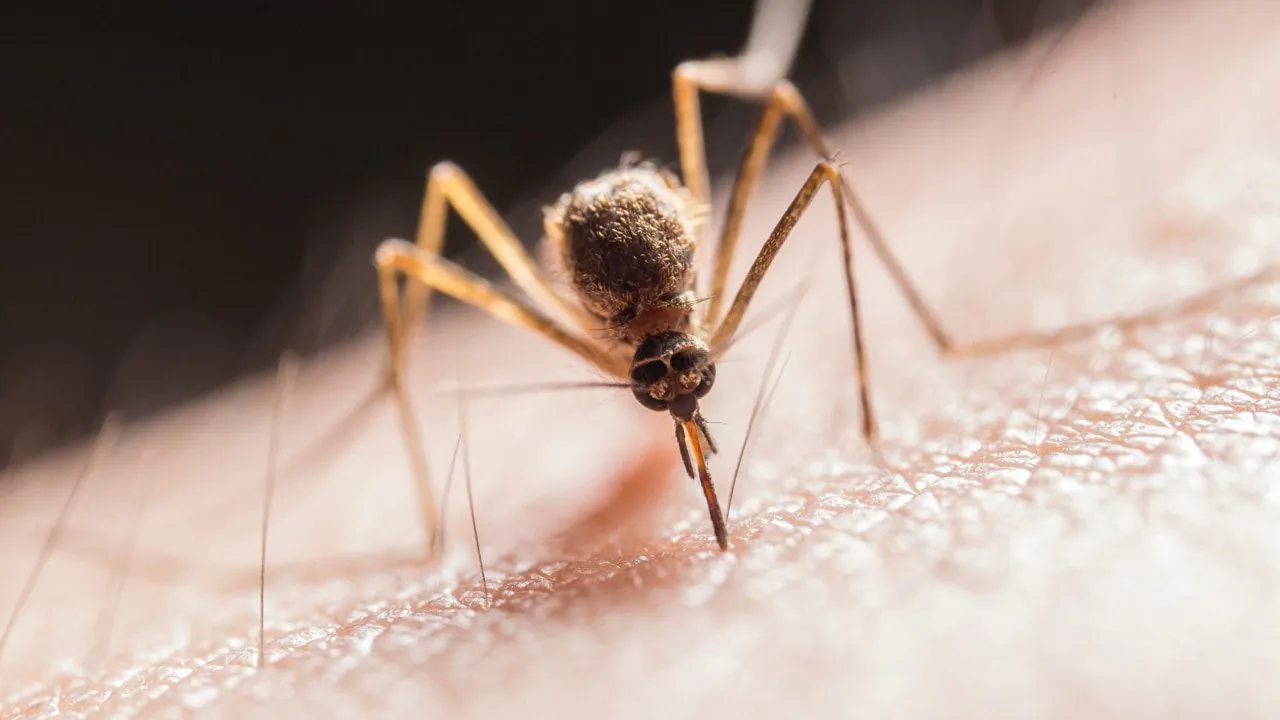
This is the first reported death from the virus in WA this year, and health authorities are urging people to take precautions to avoid mosquito bites.
Murray Valley Encephalitis is endemic to WA’s north and can cause serious complications, including brain infection, swelling, and potentially lifelong symptoms. However, some people may not show symptoms at all, making it a “strange virus” according to Health Department managing scientist Andrew Jardine.




“It’s a bit of a scary disease if you get it and it’s far better to just avoid acquiring it in the first place by avoiding mosquito bites,” he warned.
The risk of contracting Murray Valley Encephalitis is higher during and after the Kimberley and Pilbara’s wet season, which typically runs from November to March. However, the virus can still be active in July, and health authorities are urging people to remain vigilant.
The Department of Health’s sentinel chicken and mosquito surveillance programs have detected the virus and other flavivirus activity since the beginning of the year, and residents and travellers are being advised to take precautions to avoid mosquito bites.
The WA Health Department is urging all residents and travellers to protect themselves from mosquitoes, particularly during peak hours of dawn and dusk when the insects are most active.
This includes wearing protective clothing, applying insect repellent, and avoiding areas where mosquitoes are prevalent.
Analysis: What This Means for AustraliaThe outbreak of Murray Valley Encephalitis in Western Australia’s Kimberley region has significant implications for the country’s public health.
With thousands of tourists set to flock to northern Australia in the coming months, the risk of further outbreaks is high, and health authorities must remain on high alert.
The virus’s ability to cause serious complications, including brain infection and swelling, makes it a major concern for health officials.
Security analysts warn that the outbreak highlights the need for increased investment in public health infrastructure, particularly in regional areas where access to medical care may be limited.
“The fact that the victim was transferred to a hospital in Perth highlights the need for better healthcare resources in regional areas,” said one analyst.
“This outbreak is a wake-up call for the government to take action and ensure that all Australians have access to quality healthcare, regardless of where they live.”
Law enforcement insiders also warn that the outbreak may have implications for border control, particularly in areas where mosquitoes are prevalent.
“The fact that the virus can be spread by infected mosquitoes highlights the need for increased surveillance at our borders,” said one insider.
“We need to ensure that we are doing everything we can to prevent the spread of diseases like Murray Valley Encephalitis.”
Industry observers believe that the outbreak will have significant economic implications for the tourism industry, particularly in northern Australia.
“The fact that thousands of tourists are set to flock to the region in the coming months means that the outbreak could have a major impact on the local economy,” said one observer.
“The government needs to take action to ensure that the outbreak is contained and that tourists are aware of the risks.”
Dr Jardine’s warning that the virus is “a bit of a scary disease” is a stark reminder of the need for vigilance in the face of public health threats.
As the outbreak continues to unfold, one thing is clear: the need for increased investment in public health infrastructure, border control, and surveillance is more pressing than ever.
The Kimberley region in Western Australia’s north has been hit by a devastating outbreak of a rare and potentially deadly mosquito-borne virus, claiming the life of one person and sparking warnings from health experts. Murray Valley Encephalitis, a flavivirus spread by infected mosquitoes, has been detected in the area, prompting the Western Australia Health Department to issue a high alert for residents and visitors.
The victim, who was travelling in the West Kimberley, is believed to have contracted the virus in early May, with symptoms developing weeks later. The person was transferred to a hospital in Perth, where they sadly passed away. This is the first reported death from the virus in WA this year, and health authorities are urging people to take precautions to avoid mosquito bites.
Murray Valley Encephalitis is endemic to WA’s north and can cause serious complications, including brain infection, swelling, and potentially lifelong symptoms. However, some people may not show symptoms at all, making it a “strange virus” according to Health Department managing scientist Andrew Jardine. “It’s a bit of a scary disease if you get it and it’s far better to just avoid acquiring it in the first place by avoiding mosquito bites,” he warned.
The risk of contracting Murray Valley Encephalitis is higher during and after the Kimberley and Pilbara’s wet season, which typically runs from November to March. However, the virus can still be active in July, and health authorities are urging people to remain vigilant. The Department of Health’s sentinel chicken and mosquito surveillance programs have detected the virus and other flavivirus activity since the beginning of the year, and residents and travellers are being advised to take precautions to avoid mosquito bites.
The WA Health Department is urging all residents and travellers to protect themselves from mosquitoes, particularly during peak hours of dawn and dusk when the insects are most active. This includes wearing protective clothing, applying insect repellent, and avoiding areas where mosquitoes are prevalent.
The outbreak of Murray Valley Encephalitis in Western Australia’s Kimberley region has significant implications for the country’s public health. With thousands of tourists set to flock to northern Australia in the coming months, the risk of further outbreaks is high, and health authorities must remain on high alert. The virus’s ability to cause serious complications, including brain infection and swelling, makes it a major concern for health officials.
Security analysts warn that the outbreak highlights the need for increased investment in public health infrastructure, particularly in regional areas where access to medical care may be limited. “The fact that the victim was transferred to a hospital in Perth highlights the need for better healthcare resources in regional areas,” said one analyst. “This outbreak is a wake-up call for the government to take action and ensure that all Australians have access to quality healthcare, regardless of where they live.”
Law enforcement insiders also warn that the outbreak may have implications for border control, particularly in areas where mosquitoes are prevalent. “The fact that the virus can be spread by infected mosquitoes highlights the need for increased surveillance at our borders,” said one insider. “We need to ensure that we are doing everything we can to prevent the spread of diseases like Murray Valley Encephalitis.”
Industry observers believe that the outbreak will have significant economic implications for the tourism industry, particularly in northern Australia. “The fact that thousands of tourists are set to flock to the region in the coming months means that the outbreak could have a major impact on the local economy,” said one observer. “The government needs to take action to ensure that the outbreak is contained and that tourists are aware of the risks.”
Dr Jardine’s warning that the virus is “a bit of a scary disease” is a stark reminder of the need for vigilance in the face of public health threats. As the outbreak continues to unfold, one thing is clear: the need for increased investment in public health infrastructure, border control, and surveillance is more pressing than ever.