
Australia’s Data Centre Boom: How the Government’s New Rules Will Shape the Future of AI and Renewable Energy
- New AI data centres to be required to deliver “at least as much energy” into the grid as they take out under mandatory rules
- Government’s blueprint for AI regulation sparks debate on how to generate energy to feed power-hungry warehouses
- Queensland and Northern Territory reject national standards for large-scale data centres, setting stage for fiery National Cabinet meeting
The Australian government’s plan to regulate the burgeoning data centre industry has sparked a fierce debate on how to generate the energy needed to power these power-hungry warehouses.
At the heart of the controversy is the government’s proposal to require new data centres to deliver “at least as much energy” into the grid as they take out.
This move is seen as a bid to strengthen the nation’s energy resilience and reduce the environmental impact of these facilities.
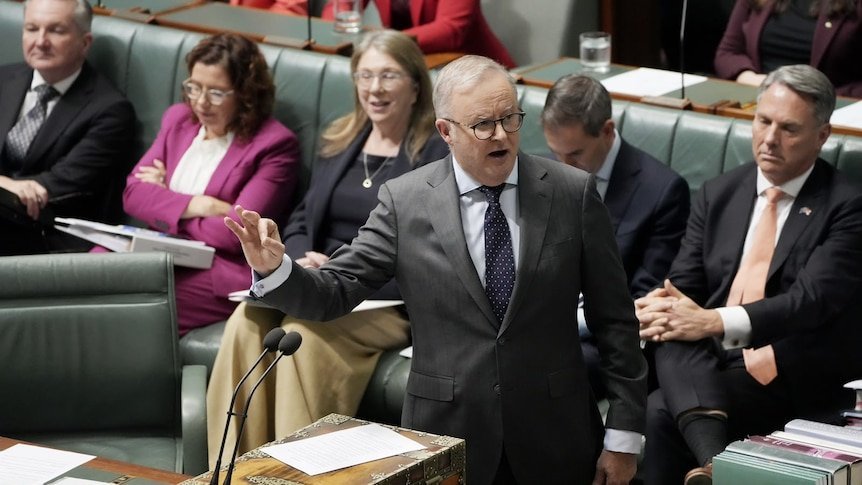
According to Prime Minister Anthony Albanese, the government wants the next generation of data centres to build “new renewable generation and firming” to support the nation’s energy transition.
This includes investing in batteries, pumped hydro, and gas as firming energy technology to stabilise the grid when renewables such as solar and wind are unavailable.




However, the Coalition has argued that the government’s proposed standards are too restrictive and that all options, including nuclear energy, should be on the table to power future data centres.
Shadow Energy and Emissions Reduction Minister Dan Tehan has claimed that the moratorium on nuclear power is deterring investment in Australia, citing the example of US companies such as Google and Amazon investing in zero-emissions nuclear power to support their data centres.
Analysis: What This Means for Australia
The government’s plan to regulate the data centre industry has significant implications for Australia’s energy future.
On one hand, the mandatory standards for large-scale data centres could help reduce the environmental impact of these facilities and promote the use of renewable energy.
On the other hand, the opposition’s push for nuclear power could provide a reliable source of energy, but at what cost?
Security analysts say that the government’s plan to promote renewable energy and reduce the nation’s reliance on fossil fuels is a step in the right direction.
“Australia’s energy security is critical to our national security,” said one analyst.
“The government’s plan to invest in renewable energy and reduce our reliance on fossil fuels is a positive step towards reducing our vulnerability to external threats.”
However, law enforcement insiders warn that the increasing demand for data centres could also create new security risks. “Data centres are critical infrastructure that require robust security measures to protect against cyber threats and physical attacks,” said one insider.
“The government needs to ensure that the regulations in place are sufficient to mitigate these risks.”
Industry observers believe that the government’s plan to promote renewable energy and reduce the nation’s reliance on fossil fuels is a positive step towards reducing our carbon footprint.
“The government’s plan to invest in renewable energy and reduce our reliance on fossil fuels is a step in the right direction,” said one observer. “However, the opposition’s push for nuclear power could provide a reliable source of energy, but at what cost to the environment and human health?”
As the debate continues, one thing is clear: the future of Australia’s data centre industry will have significant implications for the nation’s energy security, economy, and environment.
The government’s plan to regulate the industry is a step in the right direction, but more needs to be done to ensure that the regulations in place are sufficient to mitigate the risks and promote sustainable growth.
renewable energy data centre national security Australian Bureau of Statistics
With the government’s plan to legislate the new mandatory regulations early next year, the clock is ticking for the data centre industry to adapt to the changing landscape.
As the nation’s energy future hangs in the balance, one thing is clear: the future of Australia’s data centre industry will be shaped by the government’s regulations and the industry’s ability to adapt to the changing landscape.