Australia’s Fuel Security Hangs in the Balance: Albanese Embarks on High-Stakes Diplomatic Mission to South-East Asia
- Anthony Albanese travels to Brunei and Malaysia to secure Australia’s fuel supplies as US-Iran talks collapse
- Australia’s diesel and fertiliser imports from Brunei and Malaysia at risk amid global energy uncertainty
- Prime Minister’s diplomatic push comes as Australia secures new fuel supply deal with Singapore
- Uncertainty over global energy supplies deepens as US-Iran peace talks fail
Australia’s fuel security is hanging in the balance as Prime Minister Anthony Albanese embarks on a high-stakes diplomatic mission to South-East Asia. With the collapse of US-Iran peace talks, the country’s energy supplies are at risk, and Albanese is racing against time to secure alternative sources.
Brunei and Malaysia are critical partners in Australia’s energy security, supplying around 9 per cent of the country’s diesel imports and 11 per cent of its fertiliser-grade urea.
In turn, Australia provides a significant portion of Brunei’s and Malaysia’s food and agricultural products, as well as 95 per cent of Malaysia’s imported natural gas.
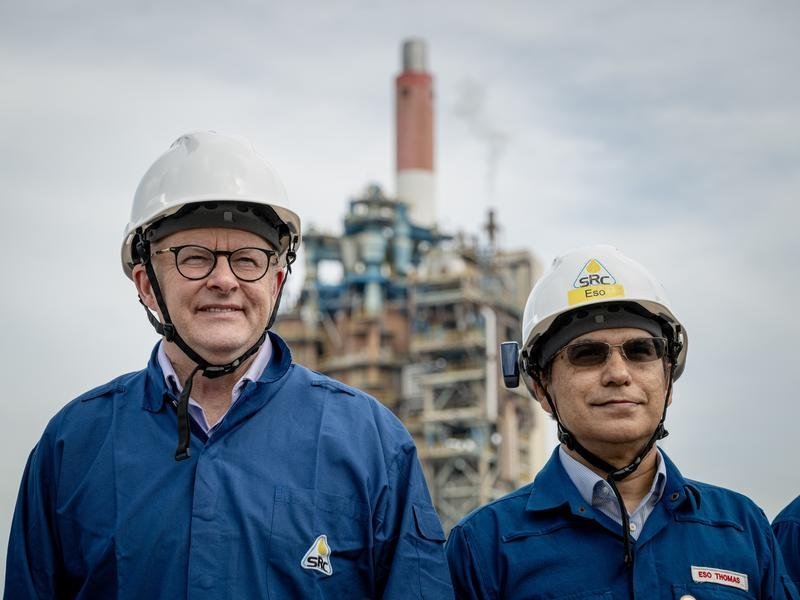
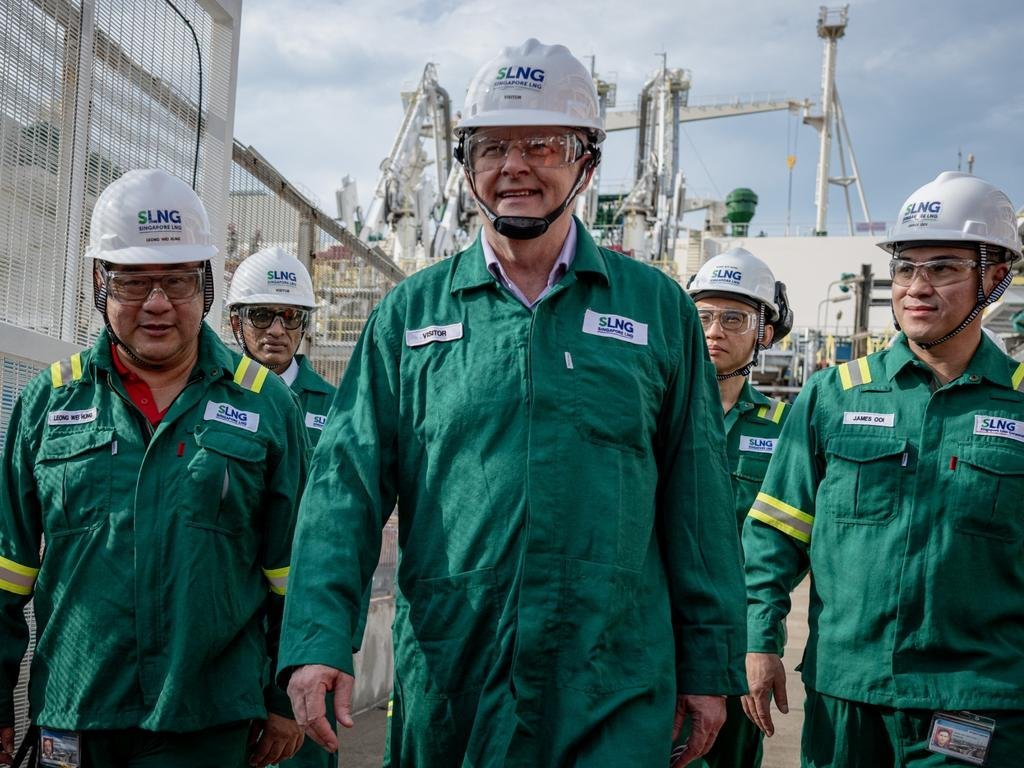
Albanese’s visit to Brunei and Malaysia comes hot on the heels of his recent trip to Singapore, where Australia secured a new agreement to maintain fuel and gas supplies.
The Prime Minister is expected to meet with Brunei’s Sultan Haji Hassanal Bolkiah and Malaysia’s Prime Minister Anwar Ibrahim to reinforce relationships and ensure the continued flow of essential goods.

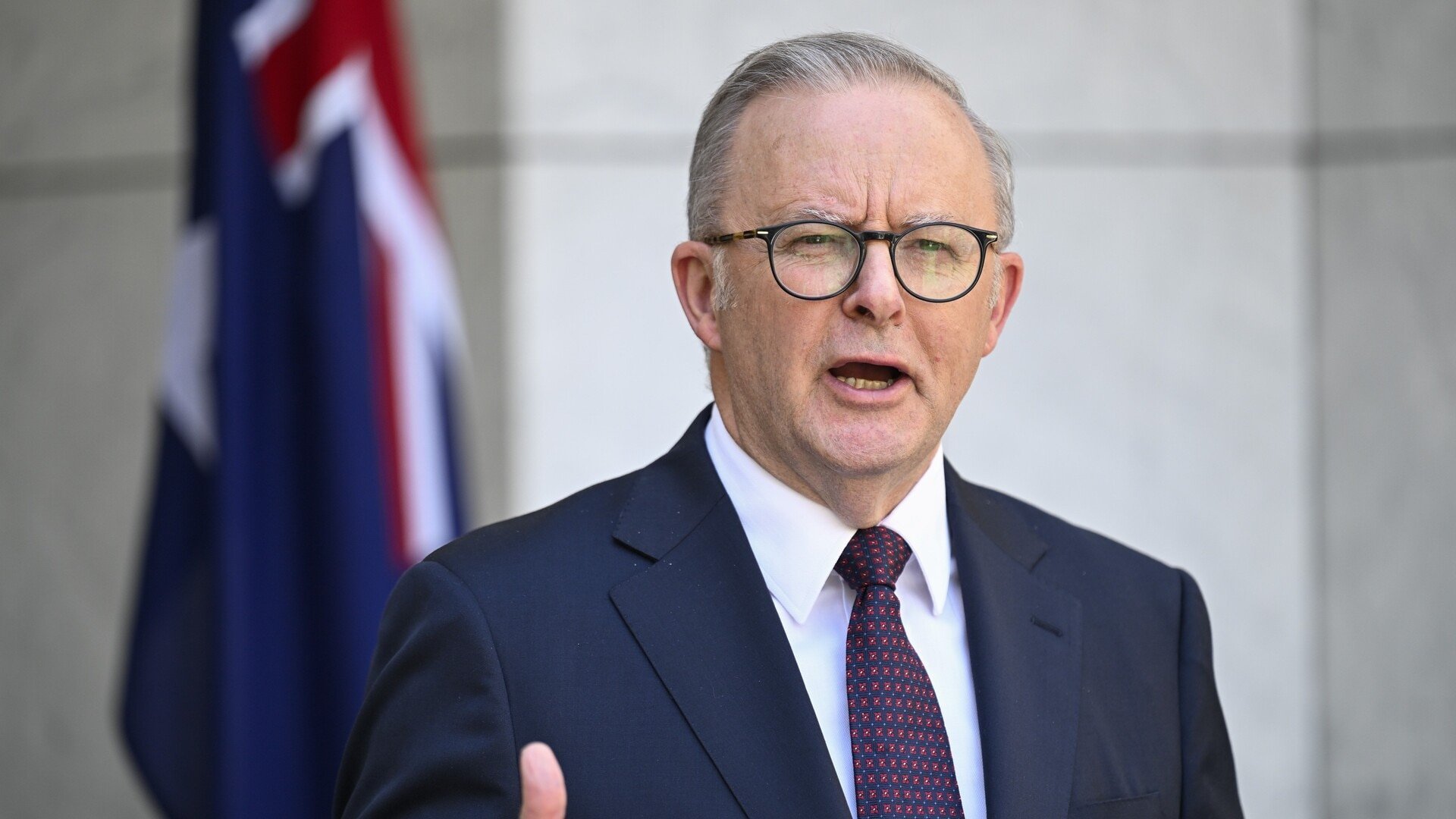

The diplomatic push is a crucial step in shielding Australians from the impact of the war in the Middle East. With global supply challenges expected to persist, the government is focused on supporting Australians through this difficult period.
Foreign Minister Penny Wong will join the trip, highlighting the importance of regional cooperation in maintaining energy security.
Analysis: What This Means for Australia
The collapse of US-Iran peace talks has significant implications for Australia’s energy security. With the country heavily reliant on imported fuel, any disruption to global supplies could have far-reaching consequences.
The government’s diplomatic efforts are a welcome step, but experts warn that more needs to be done to address the underlying vulnerabilities in Australia’s energy security.
Security analysts say that Australia’s reliance on imported fuel leaves it exposed to geopolitical tensions and supply chain disruptions. The government must take a more proactive approach to diversifying its energy sources and reducing its dependence on imported fuel.
Law enforcement insiders warn that the collapse of US-Iran talks could also have implications for Australia’s national security.
The increased uncertainty in the region could lead to a rise in extremist activity, and the government must be prepared to respond to any potential threats.
Industry observers believe that the government’s efforts to secure alternative energy sources are a step in the right direction. However, they caution that more needs to be done to address the underlying issues driving Australia’s energy insecurity.
The government must work to reduce the country’s reliance on imported fuel and promote the development of domestic energy sources.
As the situation continues to unfold, one thing is clear: Australia’s energy security is hanging in the balance. The government’s diplomatic efforts are a crucial step, but more needs to be done to address the underlying vulnerabilities in the country’s energy security.
energy security fuel imports Australian Bureau of Statistics