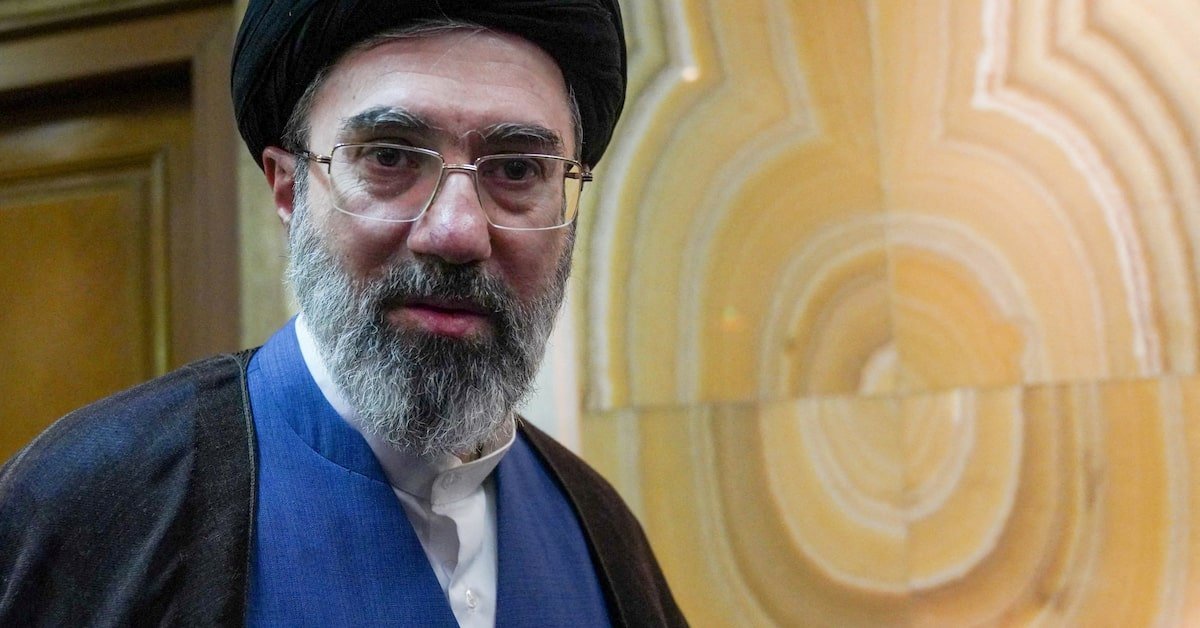
‘Iran’s Disfigured Leader’: Mojtaba Khamenei’s Shocking Injuries Revealed as He Struggles to Assert Power
- Iran’s new Supreme Leader, Mojtaba Khamenei, has been severely disfigured and lost a leg in a devastating air strike that killed his father, Ayatollah Ali Khamenei.
- The 56-year-old leader is so badly injured that he’s only taking meetings by phone, sparking concerns about his ability to rule the country.
- Despite his physical limitations, Khamenei is still “mentally sharp” and has been involved in key decision-making, including negotiations with Washington to reopen the Strait of Hormuz.
- Experts warn that Khamenei’s injuries and inexperience may undermine his authority, potentially creating a power vacuum in the Iranian regime.
The world is getting its first glimpse into the shocking injuries sustained by Iran’s new Supreme Leader, Mojtaba Khamenei, in the aftermath of a deadly air strike that killed his father, Ayatollah Ali Khamenei.
According to sources close to his inner circle, the 56-year-old leader has been severely disfigured and lost a leg in the devastating attack on his father’s compound in central Tehran.
The younger Khamenei’s condition has been shrouded in mystery since the February 28 air strike, with many Iranians speculating about his fate.
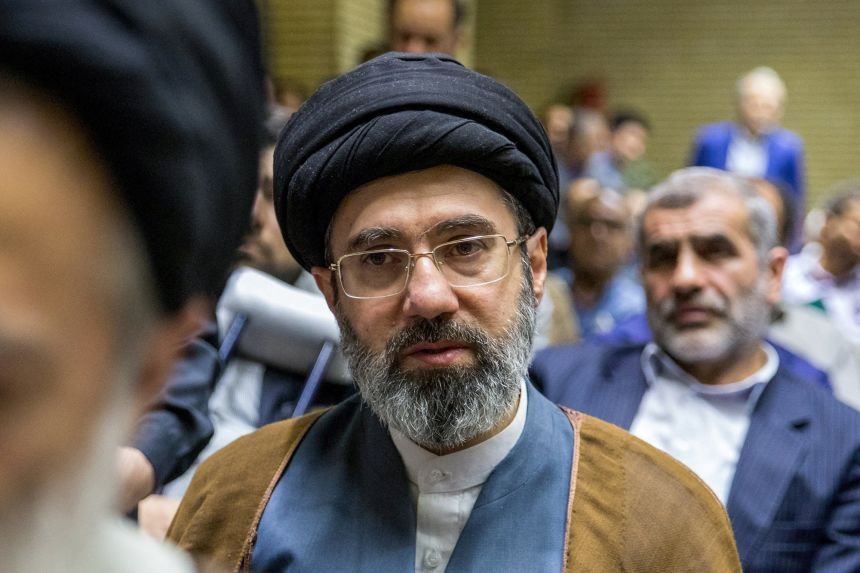
However, sources familiar with US intelligence have revealed that he is still “mentally sharp” and has been meeting with senior Islamic Republic regime officials by audio conferencing.
Despite his physical limitations, Khamenei has been involved in key decision-making, including negotiations with Washington to reopen the Strait of Hormuz and end the war.
However, his inability to appear in public has raised concerns about his ability to assert his authority and command the respect of his people.
The Iranian regime has been tight-lipped about the extent of Khamenei’s injuries, but a newsreader on state television recently described him as a “janbaz,” a term used for disabled war veterans.
The latest accounts of his condition confirm what White House officials had suspected for weeks, with Secretary of War Pete Hegseth telling reporters that the new leader is “wounded and likely disfigured.”
Images of the Supreme Leader could be released within a month or two, and he might even appear in public then if his health and security situation allow.
However, experts warn that Khamenei’s injuries and inexperience may undermine his authority, potentially creating a power vacuum in the Iranian regime.
“Mojtaba will be one voice but it will not be the decisive one,” said Alex Vatanka, senior fellow at the Middle East Institute. “He needs to prove himself as the credible, powerful, overriding voice.
The regime as a whole has to make a decision in terms of where they are going to go.”
As the situation in Iran continues to unfold, one thing is clear: the country is at a crossroads, and the fate of its leadership hangs in the balance.
The world will be watching with bated breath as Khamenei struggles to assert his authority and navigate the treacherous waters of international politics.
Analysis: What This Means for Australia
The situation in Iran has significant implications for Australia’s national security and foreign policy. As a key player in the Middle East, Iran’s instability could have far-reaching consequences for regional stability and global security.
Security analysts say that Australia needs to be vigilant in monitoring the situation in Iran and be prepared to respond to any potential threats to regional stability.
“The situation in Iran is complex and fluid, and Australia needs to be prepared to adapt to changing circumstances,” said one analyst.
Law enforcement insiders also warn that the power vacuum in Iran could create opportunities for terrorist organizations to exploit, potentially posing a threat to Australian interests and citizens.
“We need to be aware of the potential risks and take proactive steps to mitigate them,” said one insider.
The economic implications of the situation in Iran are also significant, with the potential for disruptions to global oil supplies and trade routes.
Industry observers believe that Australia needs to diversify its energy sources and reduce its reliance on Middle Eastern oil to minimize the impact of any potential disruptions.