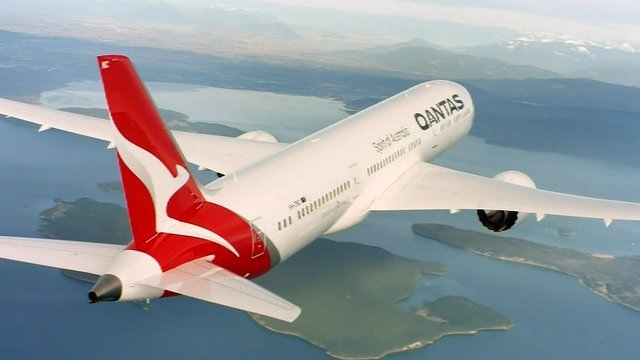
Qantas Flight Tragedy: Woman Dies on 17-Hour Flight from New York to Auckland as Airlines Warn of Soaring Fuel Costs and Fare Hikes
- A woman has died suddenly on a Qantas flight from New York to Auckland, with police called to the airport as the plane landed.
- Qantas has announced a 5 per cent drop in domestic flights, international network changes, and fare increases due to surging fuel costs.
- The airline warns of rising fares and fewer flights within Australia, with jet fuel costs expected to blow out to $3.1bn to $3.3bn in the second half of the financial year.
- Affected passengers will be contacted directly and offered alternative flights or a refund as Qantas struggles to mitigate fuel cost increases.
The sudden death of a woman on a Qantas flight from New York to Auckland has sent shockwaves through the airline industry, as Qantas struggles to cope with the devastating impact of surging fuel costs.
The 17-hour flight, which landed at Auckland airport on Tuesday morning, was met with a police response as crew and doctors onboard were unable to save the woman’s life.
As Qantas grapples with the tragedy, the airline has also announced a grim update on its financial situation, warning of rising fares and fewer flights within Australia.
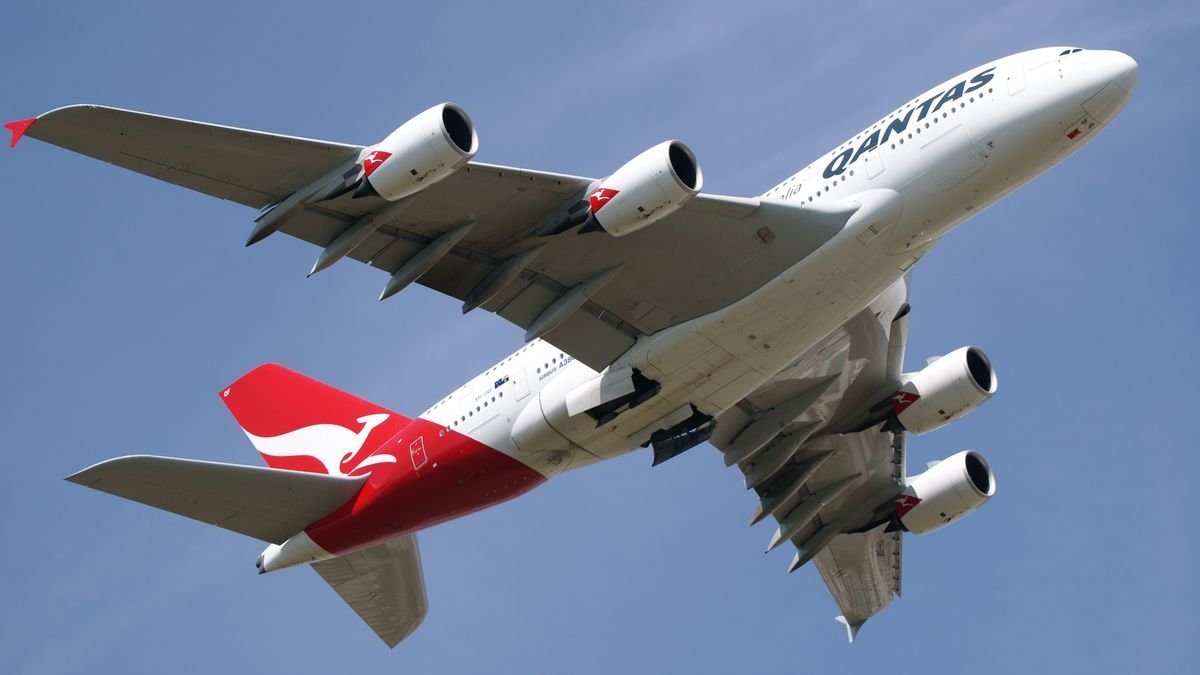
The airline has blamed the US/Israel and Iran conflict for the surge in fuel costs, which are expected to blow out to $3.1bn to $3.3bn in the second half of the financial year.
This is a staggering increase of $600m to $800m compared to previous estimates.




The conflict in the Middle East has seen oil prices skyrocket from $US56 ($A80) a barrel to $US100 ($A143) a barrel, with Qantas saying jet fuel refinery margins have blown out from $US20 ($A28) to $US120 (A169) a barrel.
The airline now assumes market jet fuel will be between $A185 to $A200 a barrel excluding hedging over the June quarter.
As a result, Qantas has announced a 5 per cent drop in domestic flights, international network changes, and fare increases. The airline has warned that affected passengers will be contacted directly and offered alternative flights or a refund.
Despite the escalating conflict in the Middle East, Qantas says demand remains strong for travel, with revenue per available seat kilometre expected to double.
Analysis: What This Means for Australia
The surge in fuel costs and subsequent fare hikes will have a significant impact on Australian travellers, particularly those who rely on Qantas for domestic and international flights.
The airline’s decision to redeploy capacity from the US and domestic network to increase flights to Europe may provide some relief, but the overall trend is clear: flying is about to get a lot more expensive.
Security analysts warn that the conflict in the Middle East poses a significant threat to global fuel supply chains, and Qantas’s decision to closely monitor the situation is a wise one.
However, the airline’s ability to mitigate fuel cost increases will be crucial in determining the long-term impact on Australian travellers.
Law enforcement insiders also note that the sudden death on the Qantas flight highlights the importance of emergency response planning and procedures.
While the circumstances surrounding the woman’s death are still unclear, the incident serves as a stark reminder of the need for airlines to be prepared for any eventuality.
As Qantas navigates this challenging period, the airline’s commitment to working closely with the government and jet fuel suppliers will be crucial in ensuring fuel supply chains remain stable.
However, the ultimate impact on Australian travellers will depend on the airline’s ability to balance its financial obligations with the need to provide safe and reliable flights.