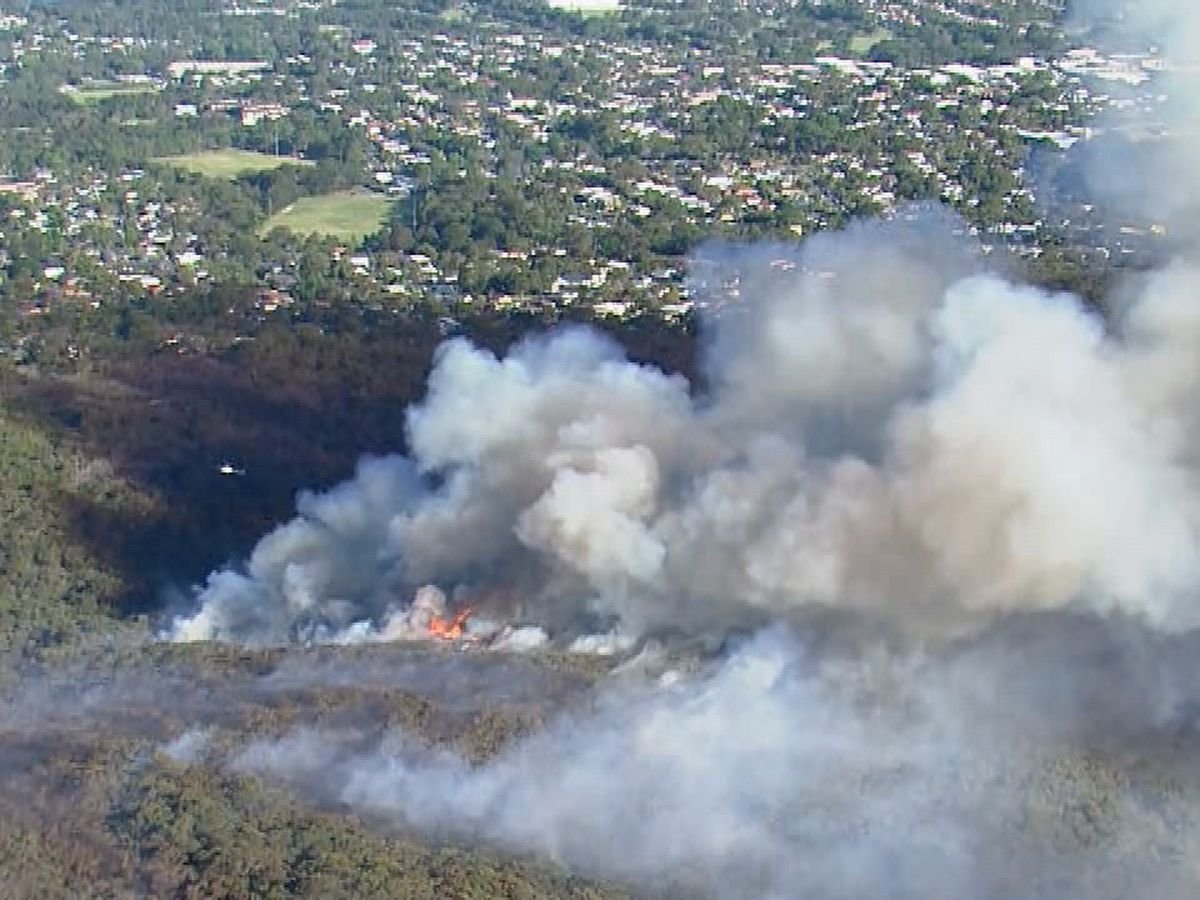
Sydney Chokes on Smoke as Hazard Reduction Burns Rage Across the City’s Edges, But Firefighters Are Still Miles Behind Schedule
- Sydney is shrouded in smoke as firefighters conduct massive hazard reduction burns around the city’s edges, with over 5,000 hectares treated since Saturday.
- The NSW Rural Fire Service is still well short of its annual hazard reduction target, having treated just 48,000 hectares out of a target of 372,723 hectares.
- Smoke is expected to persist across Sydney tonight due to an inversion, but is forecast to clear with the wind late Friday morning.
- Firefighters are taking advantage of dry and calm weather conditions to conduct the burns, but the RFS warns that rain and flooding have affected planned burning over the past few years.
The city of Sydney is currently battling a thick haze of smoke as firefighters conduct a series of large-scale hazard reduction burns around its edges.
The NSW Rural Fire Service (RFS) has treated over 5,000 hectares of land since Saturday, with multiple burns taking place in the north, south, west, and south-west of the city.
According to Gregory Allan from the NSW RFS, fire agencies are taking advantage of the favourable weather conditions to conduct the burns.
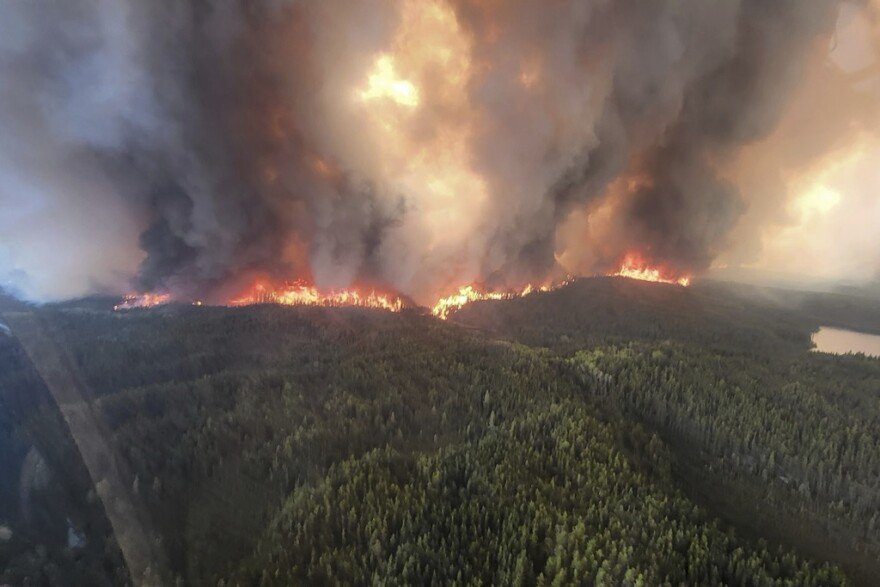
However, the RFS is still well behind its annual hazard reduction target, having treated just 48,000 hectares out of a target of 372,723 hectares.
The majority of hazard burns are usually done in August, but a record wet month has hampered efforts.



The smoke from the burns is expected to be noticeable around the burn sites and linger across broader areas of the Greater Sydney region today. However, an inversion is predicted to trap the smoke in Sydney tonight, with conditions expected to clear with the wind late Friday morning.
Mr Allan told 702 ABC Sydney that “smoke is likely to be quite noticeable around the burn sites and linger across more broader areas of the Greater Sydney region today, which should clear under better conditions with those winds picking up tomorrow.”
While the RFS is making progress with its hazard reduction burns, the agency is still facing a significant challenge in meeting its annual target.
Rain and flooding have affected planned burning over the past few years, with the RFS responding to over 10,200 bush and grass fires that burnt around 126,000 hectares across the state during the fire season.
This is an increase from the 2024–25 financial year, when the RFS attended 7,217 bush and grass fires over 80,078 hectares.
Analysis: What This Means for Australia
The ongoing hazard reduction burns in Sydney highlight the need for proactive measures to mitigate the risk of bushfires in Australia. The country’s fire season is becoming increasingly unpredictable, with climate change and weather patterns contributing to the rise in bushfires.
The RFS’s efforts to conduct hazard reduction burns are crucial in reducing the risk of bushfires, but the agency’s struggles to meet its annual target raise concerns about the country’s preparedness for the next fire season.
Security analysts say that the increasing frequency and severity of bushfires in Australia pose a significant threat to national security.
The impact of bushfires on communities and the economy cannot be overstated, with the 2019-2020 bushfire season estimated to have cost the Australian economy over $100 billion.
The RFS’s efforts to conduct hazard reduction burns are a critical component of the country’s bushfire mitigation strategy, but more needs to be done to address the root causes of bushfires and ensure that Australia is prepared for the next fire season.
Law enforcement insiders warn that the failure to meet hazard reduction targets can have serious consequences for public safety.
The RFS’s efforts to conduct hazard reduction burns are crucial in reducing the risk of bushfires, but the agency’s struggles to meet its annual target raise concerns about the country’s preparedness for the next fire season.
Industry observers believe that the use of technology, such as drones and satellite imaging, can play a critical role in enhancing the RFS’s ability to conduct hazard reduction burns and respond to bushfires.