Exclusive: Australia’s Fuel Crisis Deepens as Viva Energy Refinery Blaze Sparks Fears of Petrol Shortages
- A devastating fire at the Viva Energy refinery in Geelong has left Australia’s fuel security hanging in the balance, with petrol production reduced to 60 per cent capacity.
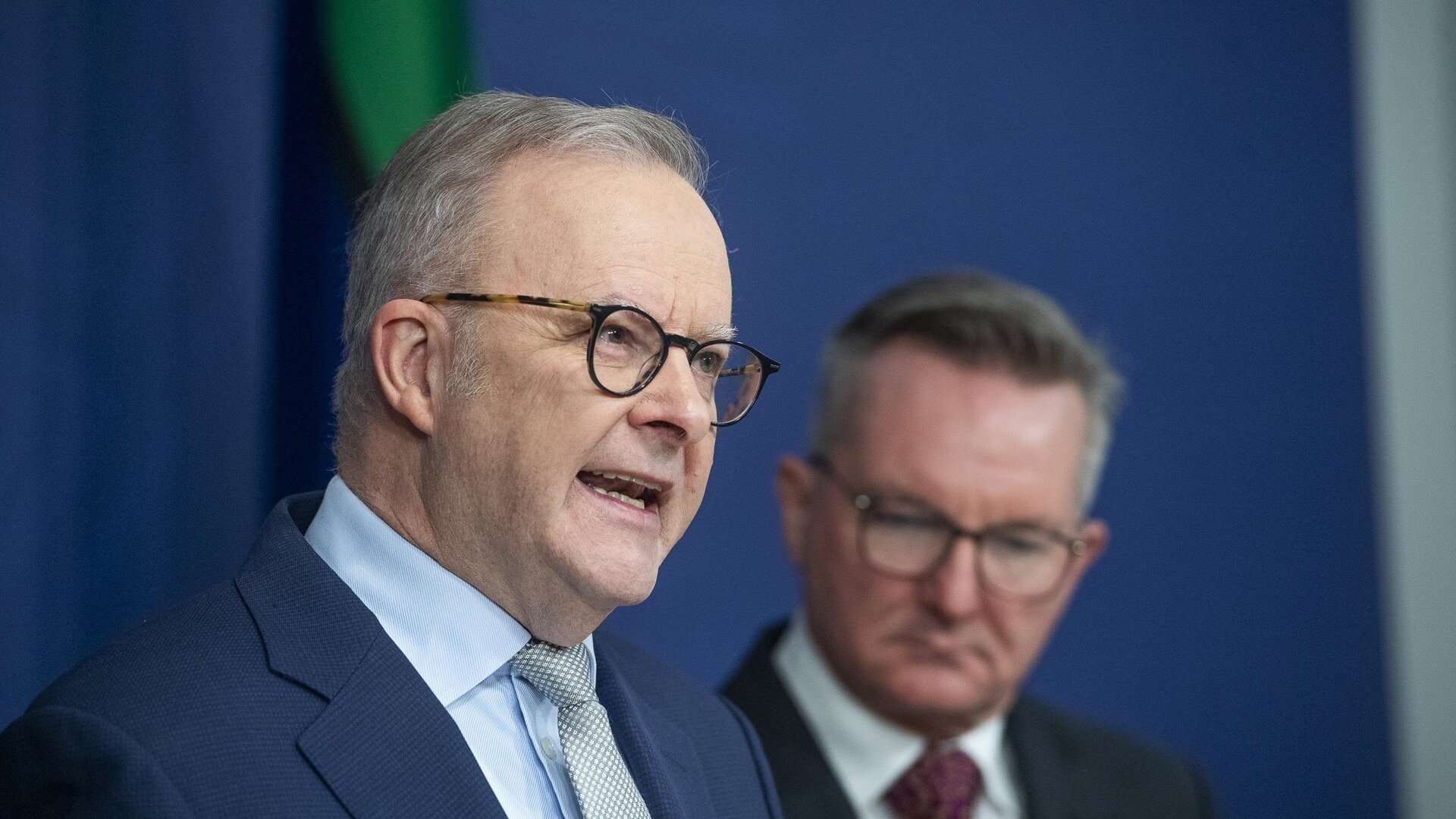
- Prime Minister Anthony Albanese has ruled out triggering the next stage of the government’s national fuel security plan, despite warnings from Energy Minister Chris Bowen that damage to the site could impact petrol supply for “some time”.
- The blaze has sparked fears of petrol shortages, with the refinery typically producing 10 per cent of Australia’s fuel and 50 per cent of Victoria’s.
- The incident has raised concerns about Australia’s reliance on foreign oil and the need for greater investment in domestic fuel production.
The Viva Energy refinery in Geelong was engulfed in flames on Wednesday, sending shockwaves through Australia’s fuel industry.
The fire, which is not believed to be suspicious, occurred in a part of the site dedicated to petrol production, leaving the country’s fuel security hanging in the balance.
Prime Minister Anthony Albanese cut his trip to Malaysia short and travelled overnight to the refinery, where he met with Energy Minister Chris Bowen and Viva Energy chief executive Scott Wyatt.
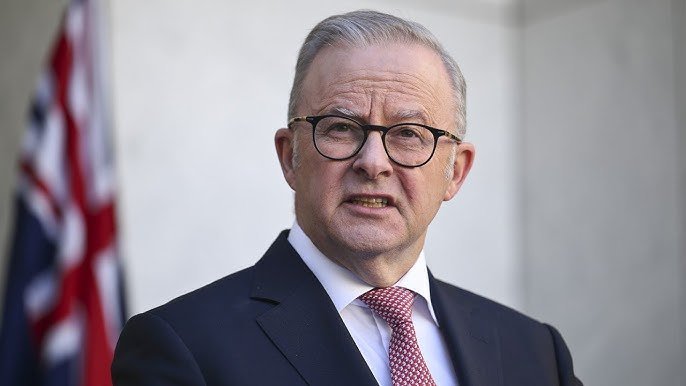
Mr Albanese declared that the blaze would not trigger the next stage of the government’s national fuel security plan, despite warnings from Mr Bowen that damage to the site could impact petrol supply for “some time”.
The fire has reduced petrol production at the refinery to 60 per cent capacity, while diesel and jet fuel production have also been reduced to 80 per cent capacity due to safety precautions.




Mr Albanese said the damage to the site was not enough to push the government to escalate to the next level of its national fuel security plan, which was agreed to by federal, state and territory leaders last month.
Australia is currently in stage two of a four-point road map, which aims to ensure the country’s fuel security in the face of global events.
The government has put in place a series of measures to mitigate the impact of the fire, including securing additional fuel cargoes from Brunei and South Korea.
The incident has raised concerns about Australia’s reliance on foreign oil and the need for greater investment in domestic fuel production. The country is heavily reliant on imports to meet its fuel needs, leaving it vulnerable to disruptions in global supply chains.
Analysis: What This Means for Australia
The fire at the Viva Energy refinery has highlighted the need for greater investment in domestic fuel production and the importance of ensuring Australia’s fuel security.
The country’s reliance on foreign oil leaves it vulnerable to disruptions in global supply chains, which can have serious consequences for the economy and national security.
Security analysts say that the incident has exposed weaknesses in Australia’s fuel security plan and the need for greater investment in domestic production. “The fire at the Viva Energy refinery is a wake-up call for Australia’s fuel industry,” said one analyst.
“It highlights the need for greater investment in domestic production and the importance of ensuring our fuel security.”
Law enforcement insiders warn that the incident has also raised concerns about the potential for sabotage or terrorism at Australia’s fuel refineries. “The fire at the Viva Energy refinery is a reminder of the potential risks to our fuel security,” said one insider.
“We need to ensure that our refineries are secure and that we have measures in place to prevent sabotage or terrorism.”
Industry observers believe that the incident will lead to increased investment in domestic fuel production and a greater focus on ensuring Australia’s fuel security. “The fire at the Viva Energy refinery is a turning point for Australia’s fuel industry,” said one observer.
“It highlights the need for greater investment in domestic production and the importance of ensuring our fuel security.”
As the government continues to assess the damage to the refinery and the impact on Australia’s fuel security, one thing is clear: the country needs to take a long, hard look at its reliance on foreign oil and the need for greater investment in domestic fuel production.