
Fuel Thieves Caught in Daring Heist: What the $3500 Diesel Theft Reveals About Australia’s Fuel Crisis
- A pair of alleged thieves have been caught after stealing a tank filled with 1000 litres of diesel worth $3500 from a building site near the ACT-NSW border.
- The brazen heist has exposed the desperation of Australians struggling to cope with skyrocketing fuel prices, which have been driven up by global conflicts and inflation.
- As the federal government grapples with the fuel crisis, councils are increasing rates for garbage collection and airlines are hiking ticket prices, leaving consumers to bear the brunt of the cost.
- Experts warn that the situation could worsen after a fire damaged a major refinery, threatening to further disrupt Australia’s fuel supply.
The theft of the diesel tank is a stark reminder of the harsh realities of Australia’s fuel crisis.
The two alleged thieves, aged 37 and 27, were arrested after a week-long investigation by police, who found the stolen tank at a home in Mount Fairy, 45km from the scene of the crime.
The incident has sparked concerns about the security of fuel storage facilities and the ease with which thieves can target them.

According to police, the thieves broke into the building site in Tralee on Saturday afternoon and made off with the tank, which was later found at a home in Mount Fairy.
The 37-year-old man was charged with larceny and entering an enclosed land without a lawful excuse, while the 27-year-old faces charges of larceny, destroying or damaging property, entering an enclosed land without a lawful excuse, breach of bail, and drug charges.
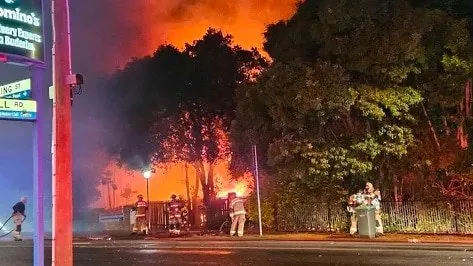



The fuel crisis has been driven by a combination of global conflicts, inflation, and cost pressures. The Iran-Israel-US conflict has disrupted oil supplies, leading to a surge in fuel prices.
At its peak, the price of diesel ballooned beyond $3 a litre, forcing councils to increase rates for garbage collection and airlines to hike ticket prices.
Although the federal government has introduced measures to bring down the cost of fuel, such as a cut to the fuel excise, the situation remains dire.
Security analysts say that the fuel crisis has created a perfect storm of desperation and opportunity for thieves, who are targeting fuel storage facilities and petrol stations.
Law enforcement insiders warn that the situation is likely to worsen, particularly in regional areas where fuel prices are already high. “The fuel crisis has created a sense of urgency among thieves, who are becoming increasingly brazen in their attempts to steal fuel,” said one insider.
Industry observers believe that the fuel crisis has exposed the vulnerabilities of Australia’s fuel supply chain.
“The theft of the diesel tank is a wake-up call for the industry, which needs to take steps to improve security and prevent such incidents in the future,” said one observer.
Analysis: What This Means for Australia
The fuel crisis has significant implications for Australia’s national security, law enforcement, and economic stability.
The theft of the diesel tank is a stark reminder of the need for increased security measures to protect fuel storage facilities and prevent such incidents in the future.
The fuel crisis also has serious economic consequences, particularly for regional areas where fuel prices are already high.
The increase in fuel prices has forced councils to increase rates for garbage collection and airlines to hike ticket prices, leaving consumers to bear the brunt of the cost.
As the federal government grapples with the fuel crisis, it is clear that a comprehensive solution is needed to address the underlying causes of the problem.
This includes investing in renewable energy sources, improving fuel efficiency, and implementing measures to reduce the country’s reliance on imported fuel.
Until then, Australians will continue to struggle with the harsh realities of the fuel crisis, which has created a perfect storm of desperation and opportunity for thieves.
As one security analyst noted, “The fuel crisis is a ticking time bomb that requires urgent attention from the government and industry leaders.”