Australia on High Alert as Iran Threatens to Close Strait of Hormuz Amid US Naval Blockade
- Iran’s top negotiator warns the Strait of Hormuz will be closed if the US naval blockade continues, sparking fears of a global economic catastrophe.
- Australia’s Prime Minister Anthony Albanese says the government is considering requests for military assets to protect the strait, but has not committed to sending troops.
- The US naval blockade has forced 21 ships to turn around, and Iran’s foreign ministry has declared the blockade a breach of the current ceasefire deal.
- Australia’s fuel security is under threat, with 120 service stations out of 8,000 running low on diesel, and the government has extended the period for higher sulphur content in fuel to mitigate the crisis.
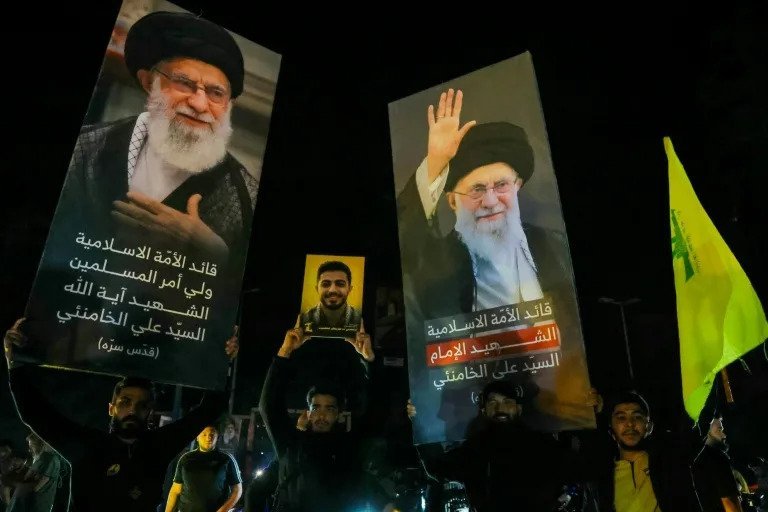
Australia is on high alert as tensions escalate in the Middle East, with Iran threatening to close the Strait of Hormuz amid a US naval blockade.
The move has sparked fears of a global economic catastrophe, with the strait being a critical waterway for international trade.
Iran’s top negotiator, Parliamentary Speaker Mohammad-Bagher Ghalibaf, has warned that the strait will be closed if the US naval blockade continues, a move that would have devastating consequences for the global economy.
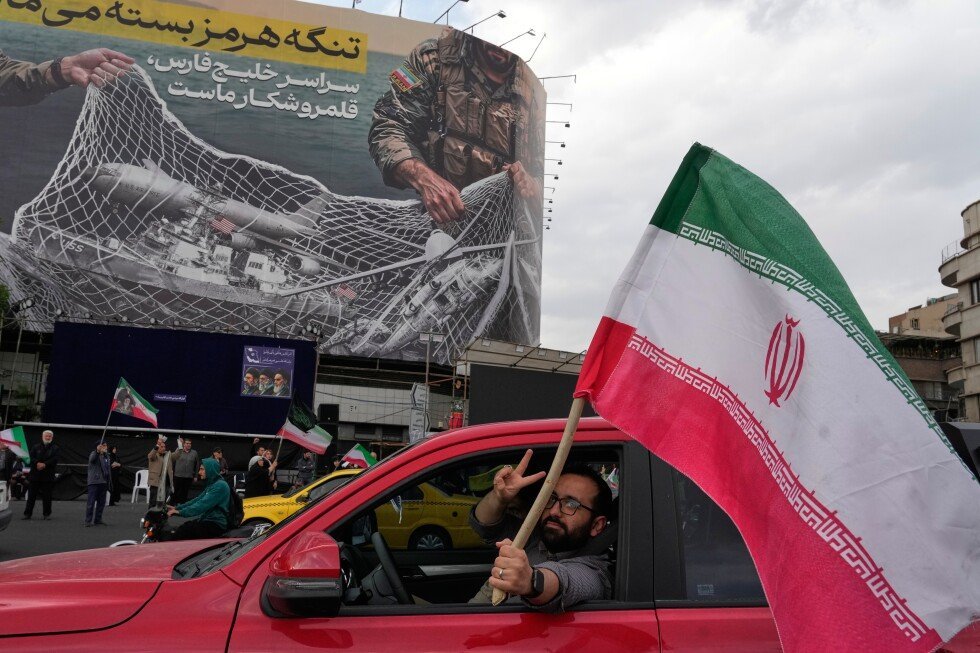
The US naval blockade, which began on April 13, has forced 21 ships to turn around, and Iran’s foreign ministry has declared the blockade a breach of the current ceasefire deal.
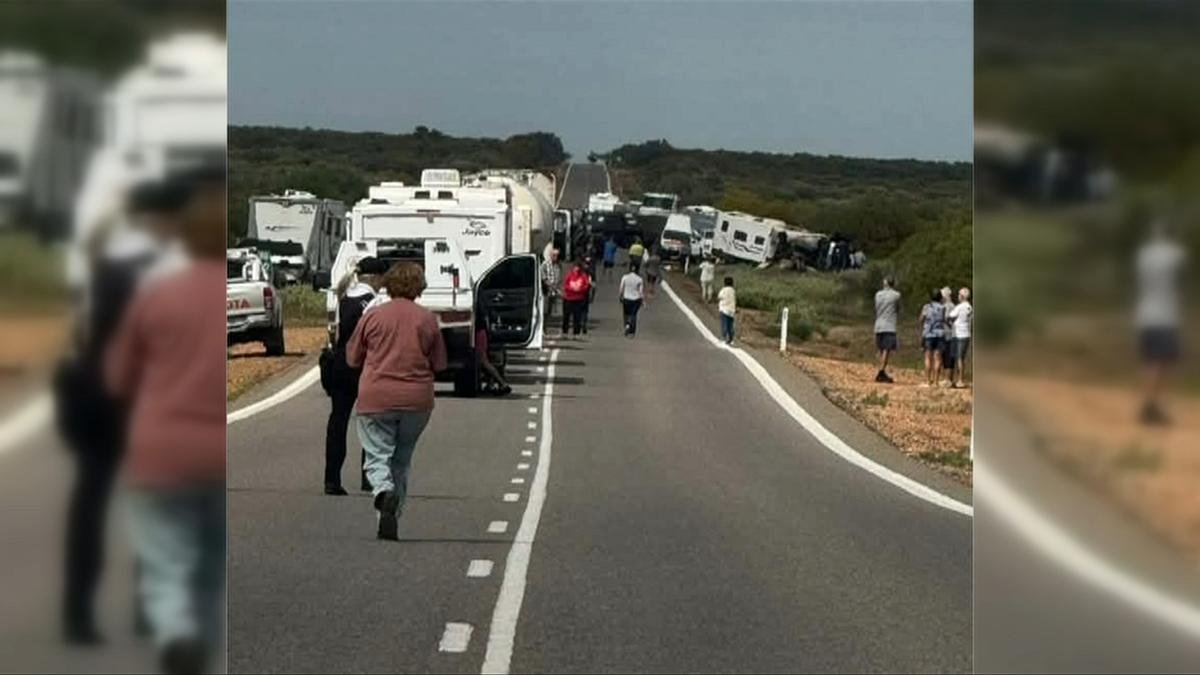
The situation has left Australia’s fuel security under threat, with 120 service stations out of 8,000 running low on diesel. The government has extended the period for higher sulphur content in fuel to mitigate the crisis, but experts warn that the situation remains fragile.



Australia’s Prime Minister Anthony Albanese has said that the government is considering requests for military assets to protect the strait, but has not committed to sending troops.
The move has sparked debate about Australia’s role in the Middle East conflict, with some calling for greater military involvement to protect the country’s interests.
The Strait of Hormuz is a critical waterway for international trade, with about 20% of the world’s oil passing through it. The closure of the strait would have devastating consequences for the global economy, with oil prices expected to skyrocket.
The situation has left Australia’s economy vulnerable, with the country relying heavily on imported oil to meet its energy needs.
Analysis: What This Means for Australia
The situation in the Middle East has significant implications for Australia’s national security and economic interests.
The closure of the Strait of Hormuz would have a major impact on the country’s fuel security, with the potential for widespread shortages and price increases.
The government’s decision to extend the period for higher sulphur content in fuel is a short-term solution, but experts warn that the situation remains fragile.
The situation also highlights the need for Australia to diversify its energy sources and reduce its reliance on imported oil.
The government has announced plans to invest in renewable energy, but the process is slow, and the country remains vulnerable to disruptions in the global oil market.
Security analysts say that the situation in the Middle East is a wake-up call for Australia, highlighting the need for greater military involvement in the region to protect the country’s interests.
However, others argue that the country should avoid getting drawn into the conflict, and instead focus on diplomatic efforts to resolve the crisis.
Law enforcement insiders warn that the situation in the Middle East also has implications for Australia’s domestic security, with the potential for increased terrorism and cyber attacks.
The government has announced plans to increase funding for counter-terrorism efforts, but experts say that more needs to be done to address the threat.
Industry observers believe that the situation in the Middle East will have a major impact on Australia’s economy, with the potential for widespread job losses and business closures.
The government has announced plans to provide support to affected businesses, but experts say that more needs to be done to mitigate the impact of the crisis.