One Nation’s Meteoric Rise Halted: What the Sudden Slump Means for Australia’s Shifting Political Landscape
- One Nation’s primary vote plummets from 27% to 24%, as global instability takes its toll on the party’s popularity
- Major parties fail to capitalize on One Nation’s decline, with Labor and Coalition remaining stagnant at 31% and 21% respectively
- Support for smaller parties surges, with Greens and independents gaining ground as voters seek alternatives to the majors
- Treasurer Jim Chalmers hints at “ambitious” budget, promising tax reforms to address intergenerational unfairness
The sensational rise of One Nation has finally begun to lose steam, with the latest opinion polls revealing a significant slump in support for the party.
According to Newspoll, One Nation’s primary vote has dropped from 27% to 24%, while a separate Resolve survey shows a similar decline from 24% to 22%.
This sudden downturn has left many wondering what’s behind the shift and what it means for Australia’s increasingly fragmented political landscape.
Despite One Nation’s decline, the major parties have failed to capitalize on the opportunity, with Labor remaining steady at 31% and the Coalition unchanged at 21%.
This lack of movement is a clear indication that the electorate remains disillusioned with the traditional parties, seeking alternatives to the status quo.

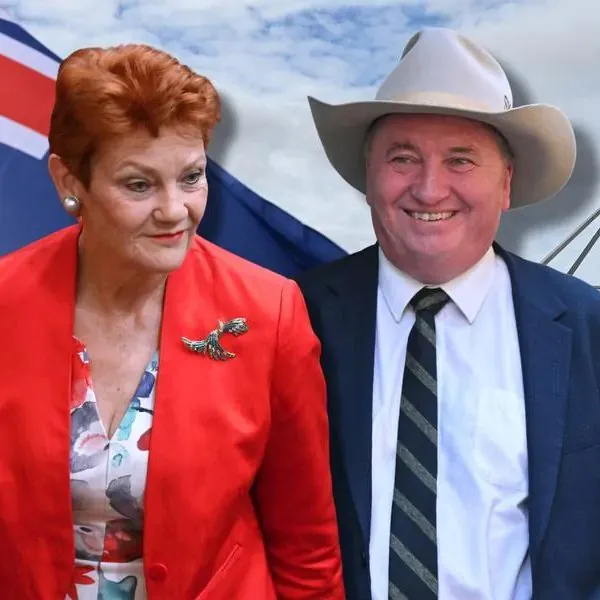
The Greens have been the beneficiaries of this trend, lifting from 12% to 13%, while independents and other minor parties have also gained ground, rising from 10% to 11%.
So, what’s driving this sudden slump in support for One Nation?
Nationals senator Bridget McKenzie believes it’s a natural response to global uncertainty, with voters seeking the stability and expertise of established parties during times of crisis.
“Australians rightfully look to parties of government during periods of uncertainty,” she told ABC Radio.
“Expertise in economic and foreign policy may be driving the shift.” This explanation is supported by the latest numbers, which suggest that One Nation’s extraordinary rise may be levelling out, but the broader voter frustration that fuelled the surge remains.
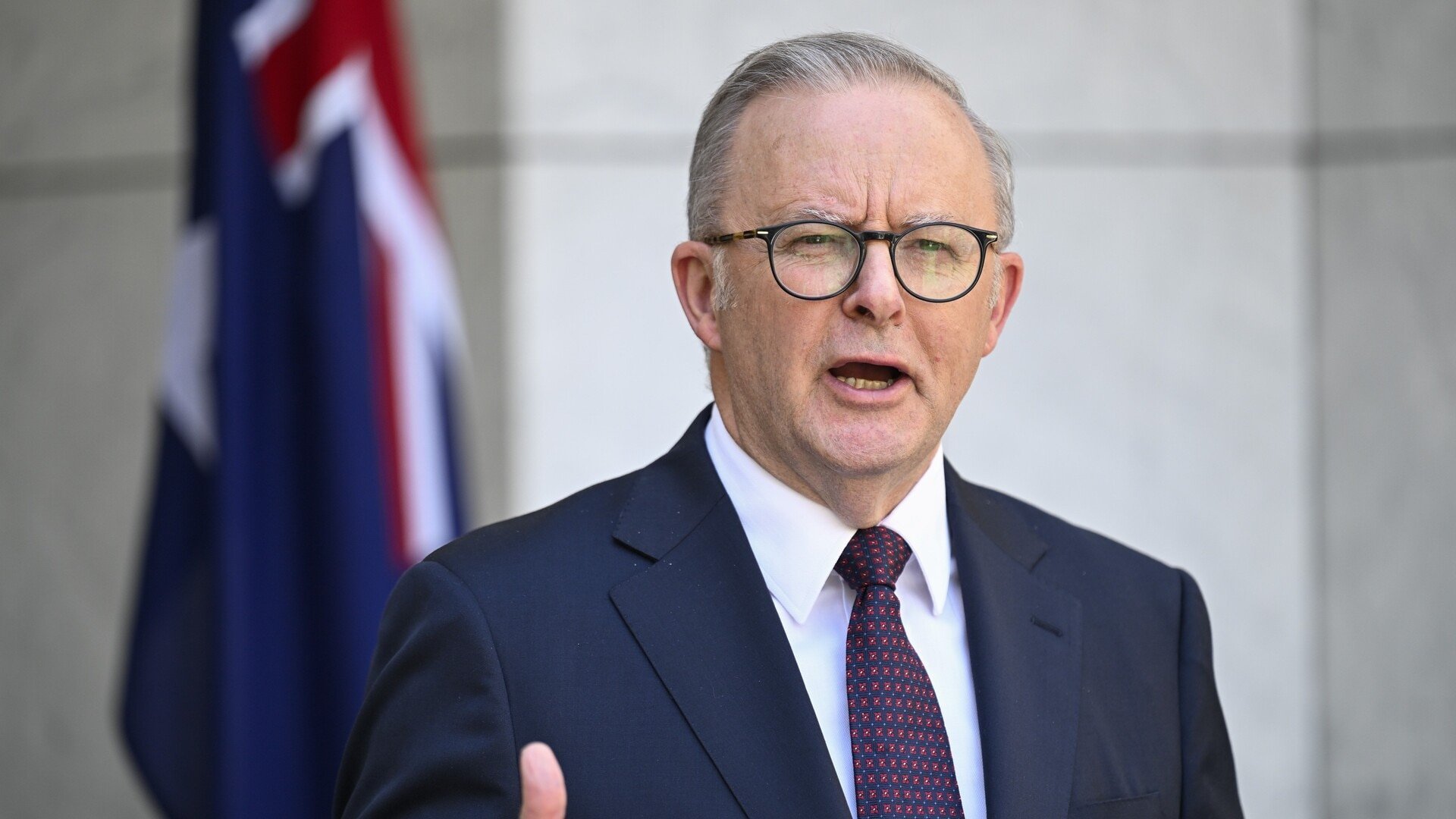
Meanwhile, Treasurer Jim Chalmers has been hinting at a major overhaul of the tax system, promising an “ambitious” budget that addresses intergenerational unfairness. “We do think that there is intergenerational unfairness in the tax system and in the housing market,” he said during a press conference.
“We are working through a range of options to see if we can deal with them or address them in a responsible way.” This move is likely to be met with skepticism by some, who will be watching closely to see if the government can deliver on its promises.
Analysis: What This Means for Australia
The decline in support for One Nation may be a welcome relief for the major parties, but it’s clear that the underlying issues driving the party’s rise remain.
Voter frustration with the status quo is still palpable, and the electorate is seeking alternatives to the traditional parties. This shift has significant implications for national security, with a more fragmented political landscape making it harder for governments to pass legislation and implement policy.
Law enforcement and border control may also be impacted, as the majors struggle to maintain a united front in the face of increasing competition from smaller parties.
Security analysts say that this trend is a wake-up call for the major parties, who must adapt to the changing landscape or risk being left behind.
“The rise of smaller parties is a symptom of a broader disillusionment with the status quo,” one analyst noted.
“The majors need to take heed of this trend and start listening to the concerns of the electorate, or risk being relegated to the sidelines.” Industry observers believe that this shift will also have significant economic consequences, with a more fragmented parliament making it harder to pass key legislation and implement policy.
As the budget approaches, all eyes will be on the government to see if they can deliver on their promises and address the underlying issues driving the surge in support for smaller parties.
One thing is clear: the Australian political landscape is undergoing a significant shift, and the majors will need to adapt quickly to stay relevant.