Western Australia’s AI Safety Cameras Under Fire: ‘Outrageous Mess’ as 2,000 Fines Worth $1.1 Million Withdrawn
- WA’s AI-assisted road safety cameras have sparked widespread outrage, with 2,000 seatbelt infringements withdrawn and $1.1 million in fines waived
- Road Safety Minister Reece Whitby defends the system, saying it’s effective in preventing deadly road incidents, but critics argue it’s unfair and overly punitive
- The cameras have issued over 53,000 seatbelt infringements in six months, with many drivers claiming they’re being unfairly penalized for minor offenses
- Opposition Leader Basil Zempilas calls for a fairer system, saying many motorists are being “unfairly pinged” with hefty fines
The rollout of Western Australia’s AI-assisted road safety cameras has been marred by controversy, with 2,000 seatbelt infringements worth $1.1 million withdrawn in just six months.
The cameras, which use artificial intelligence to identify potential mobile phone and seatbelt breaches, have sparked outrage among drivers who claim they’re being unfairly penalized for minor offenses.
Road Safety Minister Reece Whitby has defended the system, saying it’s effective in preventing deadly road incidents and that the number of withdrawn infringements is a sign of a “good system”.
However, critics argue that the cameras are overly punitive and that the fines are too harsh.
Perth grandfather Ross Taylor, who has advocated against the cameras, says the government is “panicked” about the backlash and that the system is an “outrageous mess”.




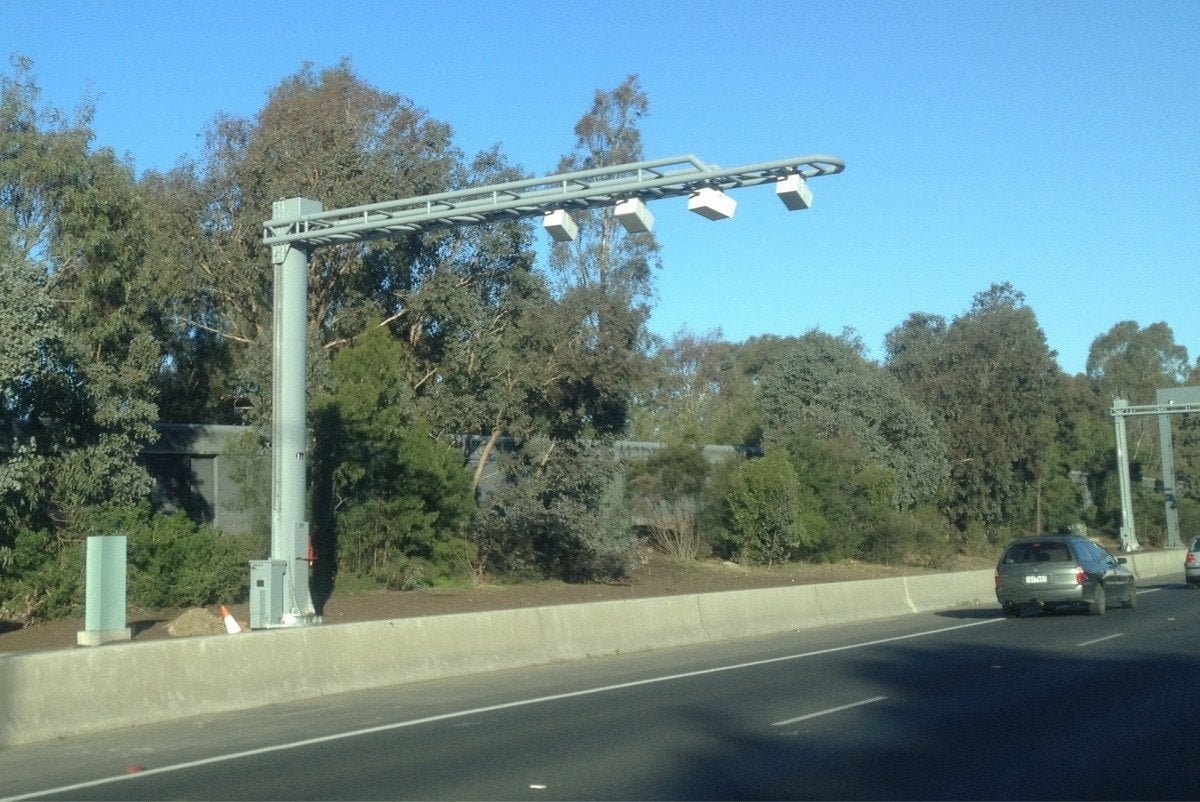
The cameras have been installed along Perth’s freeway system and have issued over 53,000 seatbelt infringements since they were introduced in October last year. While Mr.
Whitby claims that the system is working well, many drivers are frustrated with the hefty fines they’re receiving for minor offenses.
The minister says that 60 per cent of appeals from motorists have been successful, but critics argue that the process is too cumbersome and that many people are being unfairly penalized.
One of the main concerns is that the cameras are not distinguishing between drivers and passengers when it comes to seatbelt offenses. Mr.
Taylor argues that the penalties should be different for when passengers are not wearing their seatbelts correctly, rather than the drivers themselves.
He also suggests that the government should have ironed out these issues during an eight-month penalty-free trial of the cameras before infringements started being issued.
Opposition Leader Basil Zempilas supports measures to keep people safe on the roads, but feels that many motorists are being “unfairly pinged”. He argues that the government should have taken a more careful and staged approach to the rollout of the cameras, rather than rushing into it.
“We want a deterrence, but we want the deterrence to be fair and appropriate for what the crime is,” he says.
Analysis: What This Means for Australia
The controversy surrounding Western Australia’s AI-assisted road safety cameras highlights a broader issue with the use of technology in law enforcement. While the cameras may be effective in preventing deadly road incidents, they also raise concerns about fairness, transparency, and accountability.
As the use of AI technology becomes more widespread, it’s essential that governments ensure that these systems are designed and implemented in a way that balances public safety with individual rights and freedoms.
Security analysts say that the use of AI-assisted cameras is likely to become more common in the future, but that it’s crucial to address the concerns around fairness and accountability.
“The technology is only as good as the data it’s trained on, and if that data is biased or incomplete, then the system will be too,” says one expert.
“It’s essential that governments prioritize transparency and accountability when implementing these systems, to ensure that they’re fair and effective.”
Law enforcement insiders warn that the controversy surrounding the cameras could undermine public trust in the system, making it less effective in preventing road incidents.
“If people don’t trust the system, they’re less likely to take the fines seriously, and that could lead to more accidents on the road,” says one insider.
“It’s essential that the government takes a careful and staged approach to the rollout of these cameras, and that they prioritize public education and awareness about how the system works.”