Two Aboriginal Women Dead in Five Weeks: WA’s Bandyup Women’s Prison Under Fire Over ‘Systemic Issues’
- Two Indigenous women, aged 35 and 40, have died in custody at Bandyup Women’s Prison in less than five weeks, sparking calls for a ‘transparent’ review.
- WA Greens leader Brad Pettitt labels the deaths a “big problem” and demands the government investigate what’s going wrong.
- The deaths have reignited calls for the WA government to implement outstanding recommendations from the 1991 royal commission into Aboriginal deaths in custody.
- Advocates claim the prison system is failing Indigenous Australians, with a lack of focus on rehabilitation and inadequate healthcare.
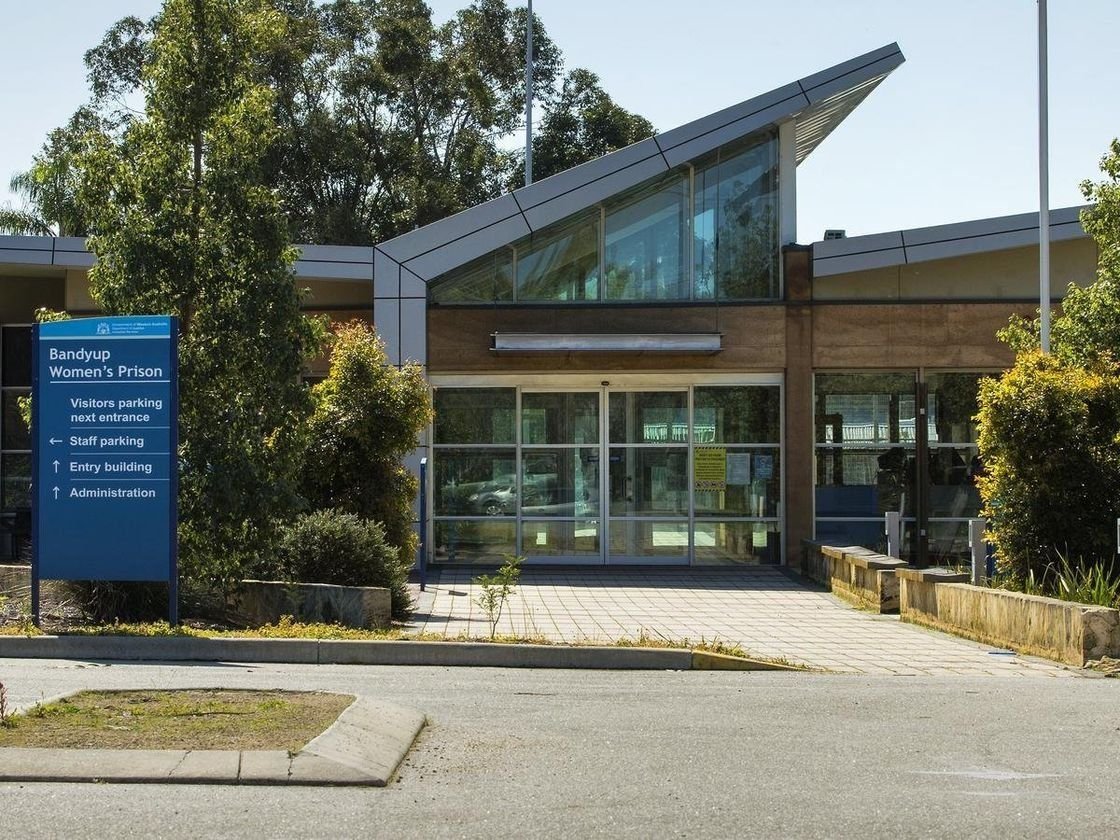
The deaths of two Aboriginal women at Bandyup Women’s Prison in less than five weeks have sparked outrage and calls for a ‘transparent’ review of the facility.
The latest death, a 40-year-old woman, was found unresponsive in her bed on Saturday morning, just over a month after a 35-year-old Aboriginal inmate died in the same prison.
Authorities claim there were no suspicious circumstances, but advocates say the deaths point to systemic issues that must be urgently examined.
The WA Greens leader, Brad Pettitt, has labelled the deaths a “big problem” and demanded the government investigate what’s going wrong.
“When you’ve got two young women, 35 and 40 years of age, dying in a prison a short time apart, that is a big problem,” he said.

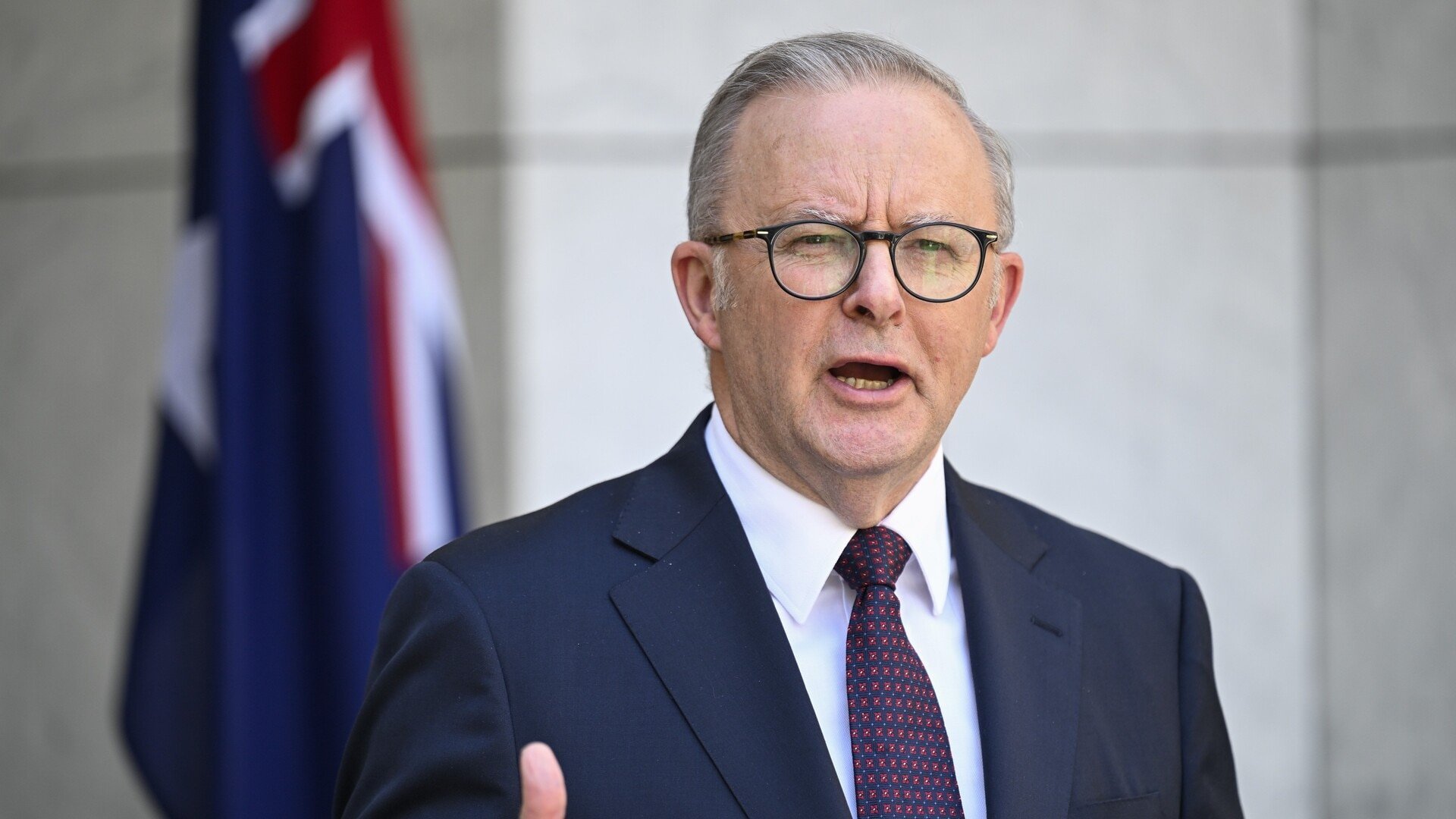

Pettitt has called on the government to review the deaths and implement outstanding recommendations from the 1991 royal commission into Aboriginal deaths in custody.
The royal commission made 339 recommendations, including wide-ranging reforms to prison safety, justice diversion, post-death investigations, and calls for broad social change. However, a 2017 review by Deloitte found some of these recommendations had not been adopted by state governments.
Pettitt believes now is the opportunity to implement these changes. “The government needs to review this, looking at what’s going wrong and how they can make sure this doesn’t happen again.”
Megan Krakouer, National Suicide Prevention and Trauma Recovery project director, agrees that prisoner health must be prioritised. She believes it’s essential to move the responsibility of prisoner health from the Department of Justice to the state’s health department.
Krakouer also calls for the overhaul of a federal health law that prevents people in custodial settings from accessing Medicare and medicines subsidised by the Pharmaceutical Benefits Scheme (PBS).
Wayne Nannup, CEO of the Aboriginal Legal Service of WA, says a greater focus on rehabilitation is needed. “Once they come into the justice system, it’s a different beast,” he said.
“Our request always to government is, how are we going with early intervention, how are we going [in] prevention and how are we providing services for rehabilitation in the community?” Nannup supports a review of Bandyup Women’s Prison but acknowledges challenges across the “whole prison environment”.
Analysis: What This Means for Australia
The deaths at Bandyup Women’s Prison highlight the need for a national conversation about the treatment of Indigenous Australians in the justice system.
The fact that two young women have died in custody in such a short period raises serious concerns about the safety and wellbeing of Aboriginal people in prison.
The WA government’s response to these deaths will be closely watched, particularly in light of the state’s history of failing to implement recommendations from the royal commission into Aboriginal deaths in custody.
Security analysts say that the prison system’s failure to address the needs of Indigenous Australians is a ticking time bomb. “The lack of focus on rehabilitation and inadequate healthcare is a recipe for disaster,” one analyst said.
“It’s only a matter of time before we see more deaths in custody if the government doesn’t take action.” Law enforcement insiders warn that the situation is not limited to WA, with similar issues affecting Indigenous Australians in prisons across the country.
Industry observers believe that the WA government’s decision to consider converting the Bullsbrook COVID quarantine centre into a prison is a misguided attempt to address the state’s prison overcrowding crisis.
“It’s a Band-Aid solution that doesn’t address the underlying issues,” one observer said. “The government needs to take a more holistic approach to addressing the needs of Indigenous Australians in the justice system.”
As the WA government grapples with the fallout from these deaths, one thing is clear: the status quo is unacceptable. The treatment of Indigenous Australians in the justice system is a national shame, and it’s time for real change.
Indigenous Australians in the justice system Australian Bureau of Statistics Australian Institute of Health and Welfare