Australians Slammed with $2 Billion in Electricity Bill Rip-Offs: The Shocking Savings Box Scandal Exposed
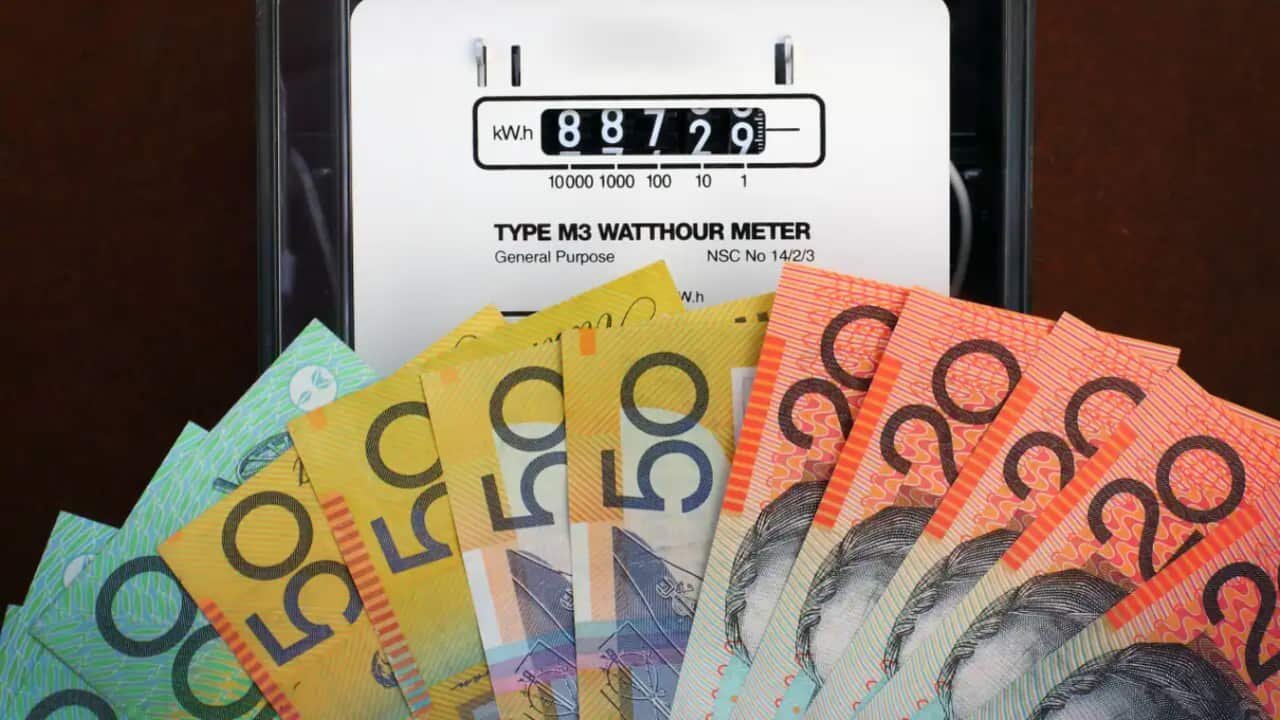
- Millions of households are overpaying by up to $467 a year due to a simple mistake on their electricity bills
- A staggering 6.7 million homes are not on their provider’s cheapest plan, with power companies pocketing an estimated $2 billion in overpayments annually
- A recent change to the law could force providers to include a crucial ‘savings box’ in email bills, not just PDF attachments
- Experts warn that switching to a cheaper plan with your current provider may not be enough to get the best deal, with some households potentially missing out on hundreds of dollars in savings
Australians are being ripped off to the tune of $2 billion every year, and it’s all because of a simple mistake on their electricity bills.
The Australian Competition and Consumer Commission (ACCC) has revealed that a staggering 6.7 million households are not on their provider’s cheapest plan, with the average household overpaying by a whopping $291 a year.
But the fix is surprisingly simple – and it all comes down to a little-known ‘savings box’ on the front page of electricity bills.
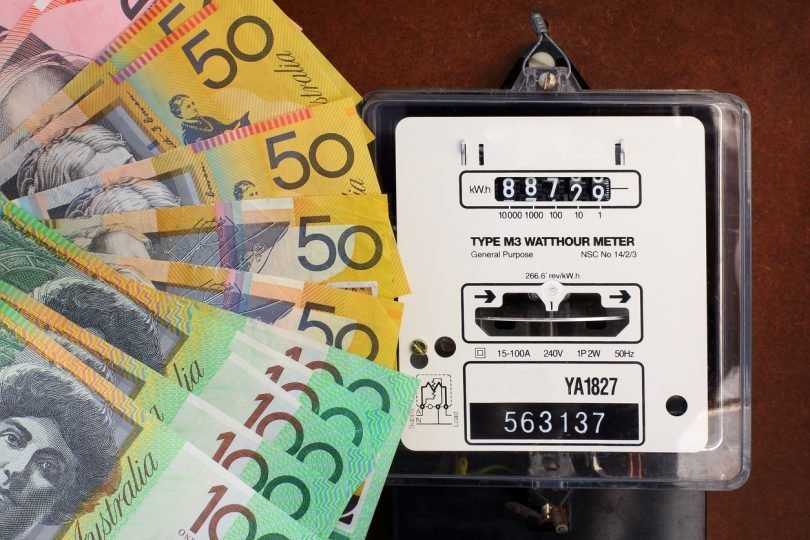
By law, electricity bills must include this savings box, which shows customers how much they could save by switching to a cheaper plan with their current provider.
But many Australians are unknowingly ignoring it, with some households potentially missing out on as much as $467 in savings every year. The problem is particularly acute for customers on direct debit, who may never even open their bills at all.


But why is this happening? According to Canstar finance expert Sally Tindall, it all comes down to the way electricity bills are written.
“Electricity bills, they’re written in gibberish, as we know,” she said.
“So a lot of people just open up the email, see the amount that they owe, don’t even open the attached PDF, and then just pay it.” As a result, many customers are never seeing the savings information at all – and it’s costing them hundreds of dollars a year.
The rules apply to households in NSW, southeast Queensland, Victoria, Tasmania, South Australia, and the ACT, with providers required to display the savings information every three months.
But regulators have flagged just how widespread the issue has become, with changes coming that will force providers to include the savings box directly in the body of emails, not just the PDF attachment.
Analysis: What This Means for Australia
This scandal has serious implications for Australian households, who are already struggling to make ends meet. With the cost of living continuing to rise, it’s unacceptable that power companies are pocketing an estimated $2 billion in overpayments every year.
The ACCC’s findings should serve as a wake-up call for regulators to take action and ensure that providers are being transparent about their pricing.
Security analysts say that this issue highlights the need for greater transparency and accountability in the energy sector. “This is a classic case of ‘out of sight, out of mind’,” one analyst said.
“If customers aren’t seeing the savings information, they’re not going to take action. It’s up to providers to make sure they’re being clear and transparent about their pricing.”
Law enforcement insiders warn that this scandal could have serious consequences for vulnerable households, who may be struggling to pay their bills as it is. “This is a ticking time bomb,” one insider said.
“If we don’t take action, we could see a surge in households struggling to make ends meet. It’s up to regulators to take action and ensure that providers are being fair and transparent.”
So what can you do to avoid being ripped off? Experts say that switching to a cheaper plan with your current provider may not be enough to get the best deal.
Instead, it’s essential to compare prices and shop around for the best deal. “Don’t reward their loyalty,” Tindall said.
“Sure, fire off an email, give them a call. But think about comparing and switching to a provider that’s going to give you even bigger savings.”