Fuel Crisis: Australia’s Desperate Bid to Secure Diesel Supplies as Middle East Conflict Sparks Global Volatility
- Australia scrambles to bolster fuel security with 200 million litres of diesel en route from South Korea, Brunei, and Malaysia
- Prime Minister Anthony Albanese warns of “great deal of volatility” as conflict in the Middle East sends shockwaves through global energy markets
- Queensland invests $25m in oil refinery to boost state’s fuel security and sovereign capability, with plans to produce 750 million litres of sustainable fuel by the 2030s
- Energy Minister Chris Bowen says extra supplies will provide “extra buffer” as Australia grapples with fuel crisis
Australia’s fuel crisis has taken a dramatic turn, with the federal government securing an additional 200 million litres of diesel from overseas to bolster the country’s dwindling supplies.
The move comes as the conflict in the Middle East continues to wreak havoc on global energy markets, leaving Australia scrambling to ensure its fuel security.
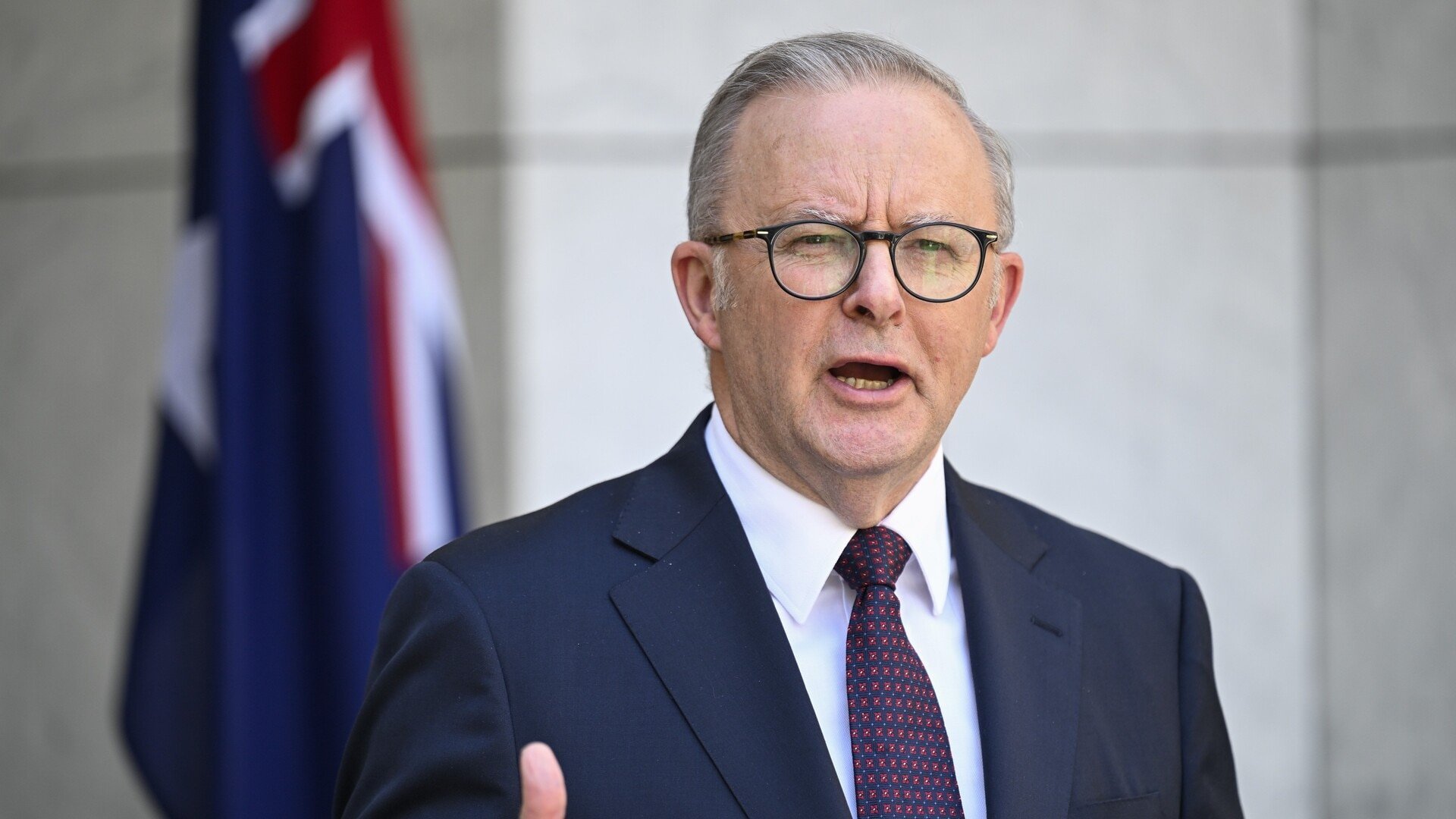
Prime Minister Anthony Albanese announced the extra supplies, which are set to arrive in Australia by the end of May or early June, as he warned of a “great deal of volatility” in the energy market.

The extra diesel will be distributed to major cities across the country, including Brisbane, Geelong, Sydney, and Perth, with Energy Minister Chris Bowen saying the supplies will provide an “extra buffer” for Australia’s fuel security.
The government has secured the supplies through contracts with Viva Energy and BP Australia, using the federal government’s export finance scheme.



The move is a clear attempt to ease the pressure on Australia’s fuel market, which has been hit hard by the conflict in the Middle East.
The crisis has sparked a frenzied response from state governments, with Queensland announcing a $25m investment in Ampol’s Lytton Refinery in Brisbane to produce renewable diesel.
The refinery, one of Australia’s two remaining refineries, is expected to produce 20 million litres of renewable diesel per year from 2028, with plans to increase production to 750 million litres of sustainable aviation fuel and renewable diesel by the early 2030s.
Queensland Premier David Crisafulli said the investment was part of the state’s long-term vision to avoid future fuel crises.
But as Australia scrambles to secure its fuel supplies, experts warn that the country is not immune to the consequences of the conflict in the Middle East.
The region is home to some of the world’s largest oil-producing nations, and the ongoing conflict has sent shockwaves through global energy markets.
Security analysts say the crisis has exposed Australia’s vulnerability to external shocks, highlighting the need for the country to boost its fuel security and sovereign capability.
Analysis: What This Means for Australia
The fuel crisis has significant implications for Australia’s national security, with experts warning that the country’s reliance on imported fuel leaves it vulnerable to external shocks.
The conflict in the Middle East has highlighted the need for Australia to diversify its energy sources and boost its fuel security.
Law enforcement insiders warn that the crisis has also created opportunities for organised crime groups to exploit the shortage, with reports of fuel theft and smuggling on the rise.
Industry observers believe that the crisis has also exposed the need for Australia to invest in its refining capacity, with the country’s two remaining refineries struggling to meet demand.
The Viva Energy facility in Corio, near Geelong, went up in flames last week after suspected equipment failure, highlighting the risks of relying on aging infrastructure.
As the situation continues to unfold, Australians can expect to see a mix of short-term and long-term solutions implemented to address the fuel crisis.
From securing additional supplies to investing in renewable energy, the government is pulling out all the stops to ensure the country’s fuel security. But as the conflict in the Middle East continues to rage on, one thing is clear: Australia’s fuel crisis is far from over.