Ben Roberts-Smith’s Shocking Jail Stint: The Untold Story of the SAS Soldier’s Humble Demeanor and the Media Frenzy That Followed
- Ben Roberts-Smith, the former SAS soldier facing war crimes charges, proved to be a model prisoner during his 10-day stint in a Sydney jail, impressing guards with his politeness and respect.
- Contrary to claims of special treatment, sources reveal that Roberts-Smith was offered eye masks and extra food by guards not because he demanded it, but because of his humble demeanor.
- The media frenzy surrounding his release from jail and subsequent bail has raised concerns about the possibility of a fair trial, with some speculating that his lawyers may apply to permanently halt proceedings.
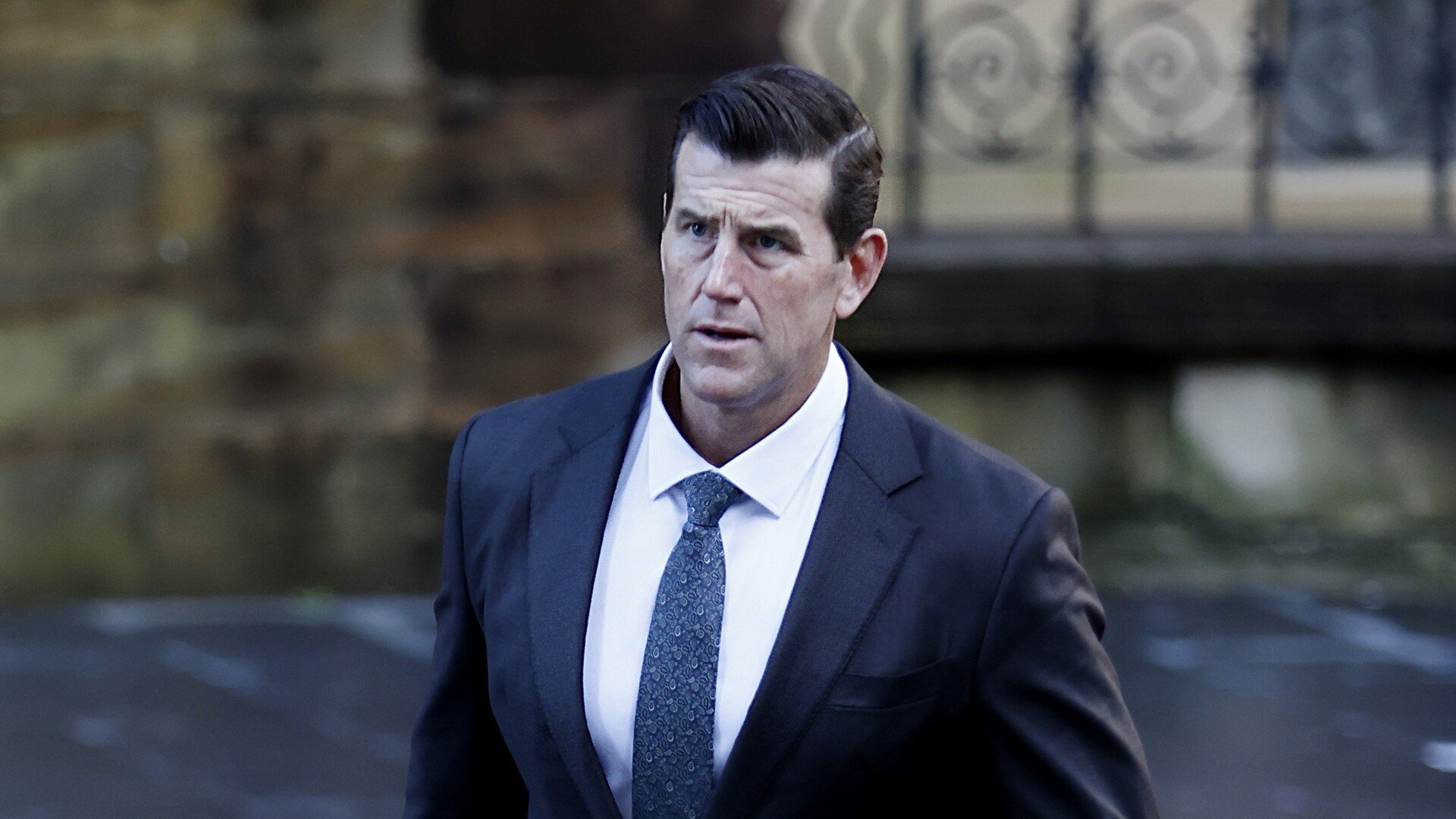
Ben Roberts-Smith, the decorated former SAS soldier facing five war crimes-related charges, has been making headlines for all the wrong reasons. But what really went down during his 10-day stint in a Sydney jail?
Sources close to the matter have revealed that Roberts-Smith was a model prisoner, impressing guards with his politeness and respect. Despite being a high-profile inmate, he didn’t demand special treatment and instead earned the respect of the corrections officers.
According to insiders, Roberts-Smith spent most of his time exercising and was even cheered on by fellow prisoners when they caught a glimpse of him through the wires.
However, he did struggle with the harsh lighting at night, often covering his head with clothing to block out the glare.
In a show of kindness, a couple of guards offered him eye masks to help him sleep, not because he demanded it, but because of his respectful demeanor.




The “hoo-ha” surrounding Roberts-Smith’s alleged special treatment has been deemed “ridiculous” by sources, who claim that the former soldier was simply treated with respect because he deserved it.
The controversy surrounding his release from Silverwater Jail on Friday, where he was granted bail, has also been blown out of proportion.
A huge contingent of journalists and camera crews gathered outside the jail, but Roberts-Smith was given a personal escort and used the back exit to avoid the media frenzy.
However, the media frenzy didn’t stop there. Roberts-Smith’s partner, Sarah Matulin, was forced to drive for hours to dodge the tailing media, with a television chopper hovering overhead.
The couple eventually made their way to a court-appointed address, which has been suppressed by the court. But the media didn’t give up, with crews sitting outside the residential address, taking photos of anyone entering the building.
One photo was even published, incorrectly naming Roberts-Smith’s mother, Sue, when in fact it was a picture of Matulin’s mother.
The media spectacle has raised concerns about the possibility of a fair trial, with some speculating that Roberts-Smith’s lawyers may apply to permanently halt proceedings.
NSW Premier Chris Minns has weighed in on the matter, stating that he doesn’t believe Roberts-Smith was given special treatment. “Corrections officers have got to make decisions about keeping the facility safe,” he said.
“Keeping those guests, as well as inmates, as well people who are on remand or have just been given bail (safe).”
Roberts-Smith has since spoken out about the “unnecessary spectacle” caused by police arresting him in front of his daughters at Sydney airport.
He vowed to fight the five war crime charges brought against him, saying he had been targeted as part of a decade-long “campaign” painting his conduct in Afghanistan as improper.
“I understand this is an unprecedented case and the public interest is huge and the media has a job to do, which they should be allowed to do,” he said.
“But I would ask that the media please allow my family their privacy at this time.”
Analysis: What This Means for Australia
The Roberts-Smith case has sparked a national conversation about the treatment of high-profile inmates and the impact of media scrutiny on the justice system.
As the trial approaches, it remains to be seen whether Roberts-Smith will receive a fair trial, free from the influence of the media frenzy.
Security analysts say that the case highlights the need for a more nuanced approach to managing high-profile inmates, one that balances the need for security with the need for respect and dignity.
Law enforcement insiders warn that the case also raises concerns about the potential for mobbing and the impact it can have on the mental health of those involved.
“It’s not just about the individual, it’s about the broader implications for the justice system,” one insider said.
Industry observers believe that the case will set a precedent for how high-profile inmates are treated in the future, and that it’s essential to get it right.
As the nation waits with bated breath for the trial to begin, one thing is clear: the Roberts-Smith case is about more than just one man’s fate – it’s about the integrity of the justice system and the values we hold dear as a society.