Iran Tightens Grip on Strait of Hormuz as Tensions Escalate: What This Means for Australia’s Fuel Security and National Interests
- Iran seizes two cargo ships in the Strait of Hormuz, escalating the crisis in the critical waterway
- Australia’s fuel security hangs in the balance as the conflict drags on, with Prime Minister Anthony Albanese warning of “significant implications” for the country
- The US-Iran standoff has sparked a game of chicken, with both sides refusing to back down and the global economy teetering on the brink of disaster
- Australia’s national security and defence experts warn of the growing threat of terrorism and cyber attacks as the conflict rages on
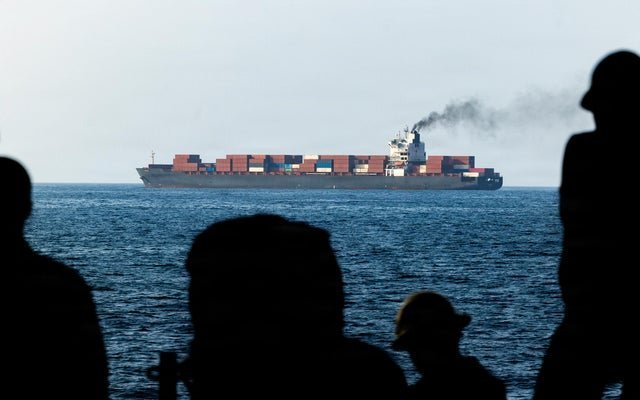
The crisis in the Strait of Hormuz has taken a dramatic turn, with Iran seizing two cargo ships in the critical waterway, sparking a fresh wave of tensions between the US and Iran.
The move has significant implications for Australia’s fuel security, with Prime Minister Anthony Albanese warning of “significant implications” for the country if the conflict drags on.
The Strait of Hormuz is a vital waterway that connects the Persian Gulf to the Arabian Sea, and is a major shipping route for oil and other goods.
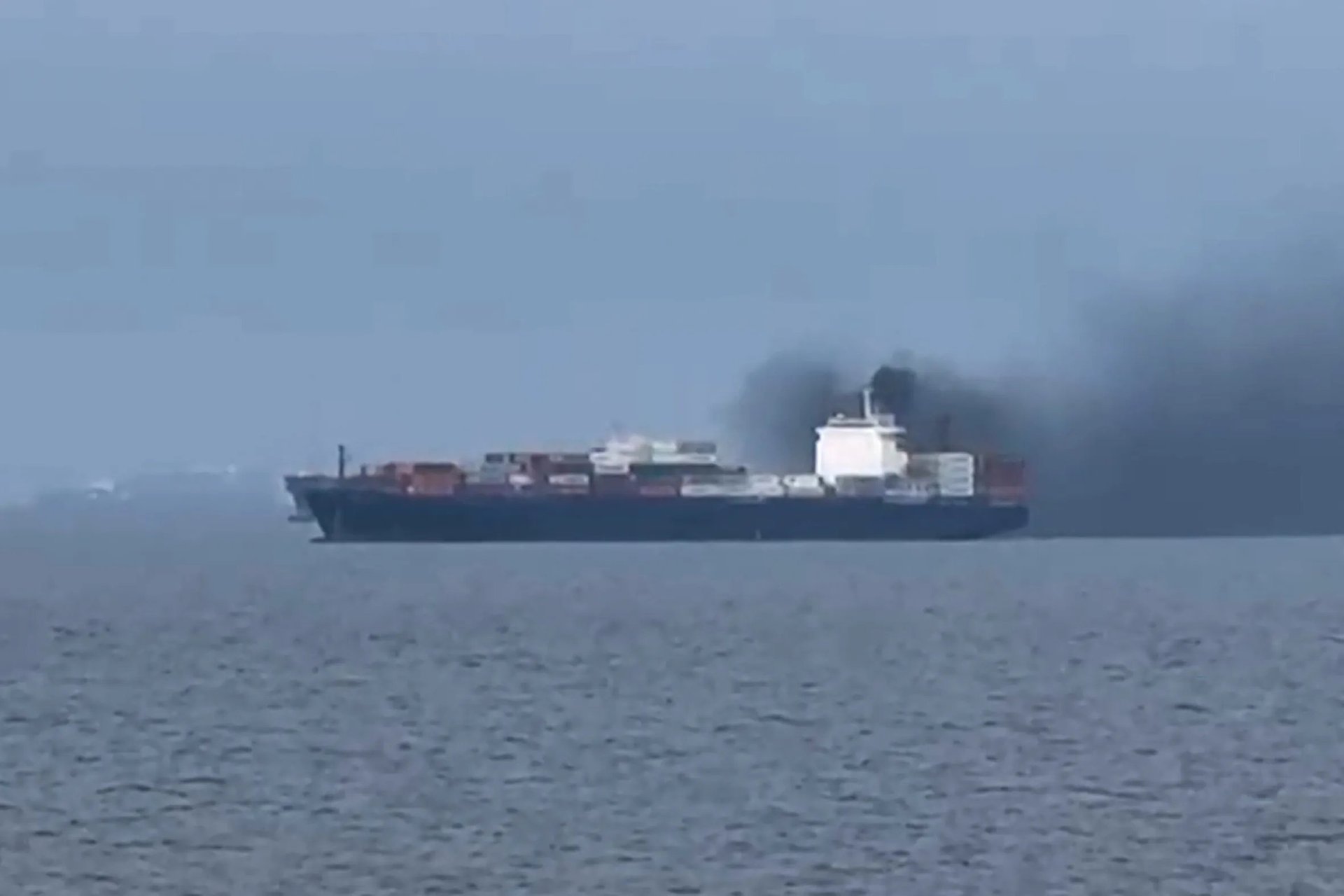
The US and Iran have been locked in a standoff over the waterway, with the US imposing a blockade on Iranian ports and Tehran retaliating by seizing the two cargo ships.
The conflict has sparked a game of chicken, with both sides refusing to back down.



The US is determined to maintain its blockade, while Iran is adamant that it will not reopen the Strait of Hormuz until the US lifts its sanctions.
The stalemate has left the global economy teetering on the brink of disaster, with oil prices soaring and trade disruptions mounting.
Australia’s national security and defence experts are warning of the growing threat of terrorism and cyber attacks as the conflict rages on. “The longer the conflict continues, the more vulnerable we become to cyber attacks and terrorism,” said one expert.
“We need to be prepared for the worst-case scenario and take steps to protect our critical infrastructure and national interests.”
Meanwhile, the US has announced plans to deploy a naval task force to the region, sparking concerns of a potential military escalation. The move has been condemned by Iran, which has vowed to take “all necessary measures” to defend its territorial waters.
Analysis: What This Means for Australia
The crisis in the Strait of Hormuz has significant implications for Australia’s national security and defence.
The country’s fuel security is heavily reliant on imports from the Middle East, and any disruption to the supply chain could have devastating consequences for the economy.
“The longer the conflict continues, the more vulnerable we become to fuel shortages and price hikes,” said one analyst. “We need to take steps to diversify our energy sources and reduce our reliance on imported fuel.”
The conflict also has significant implications for Australia’s national interests. The country has a long-standing relationship with the US, and any escalation of the conflict could draw Australia into the conflict.
“We need to be careful not to get caught in the middle of a conflict that is not of our making,” said one expert. “We need to maintain our neutrality and focus on protecting our national interests.”
Expert Commentary
“The situation in the Strait of Hormuz is a powder keg waiting to be ignited,” said Dr. Samantha Ravenswood, a defence expert at the Australian National University.
“The US and Iran are playing a game of chicken, and it’s only a matter of time before someone blinks. The consequences for Australia could be severe if we’re not prepared.”
“The conflict in the Strait of Hormuz is a wake-up call for Australia to take a closer look at its national security and defence strategies,” said Mr.
John Lee, a security analyst at the Lowy Institute. “We need to be prepared for the worst-case scenario and take steps to protect our critical infrastructure and national interests.”
As the conflict in the Strait of Hormuz continues to escalate, Australia must take a cautious approach to avoid getting caught in the crossfire.
The country’s national security and defence experts must be prepared for the worst-case scenario and take steps to protect its critical infrastructure and national interests.