Australia’s Gas Export Tax Debate Ignites: Former PM Tony Abbott Slams ‘Misled’ Public as Albanese’s Government Baulks at Reform
- Former Prime Minister Tony Abbott claims the public is being “misled” by campaigners pushing for bigger taxes on gas exports, likening it to the popularity of “stoning witches” in the past.
- The call for a 25 per cent royalty on export profits has gained momentum, with 95 per cent of respondents supporting the move in a recent poll.
- However, major gas companies have warned that hiking taxes would lead to less investment, higher prices, and a shortage of gas for Australians, with Woodside’s CEO claiming their $30 billion Browse project would be rendered “uneconomic” by the proposed tax.
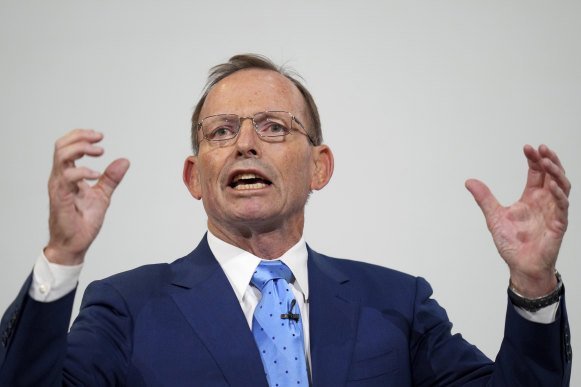
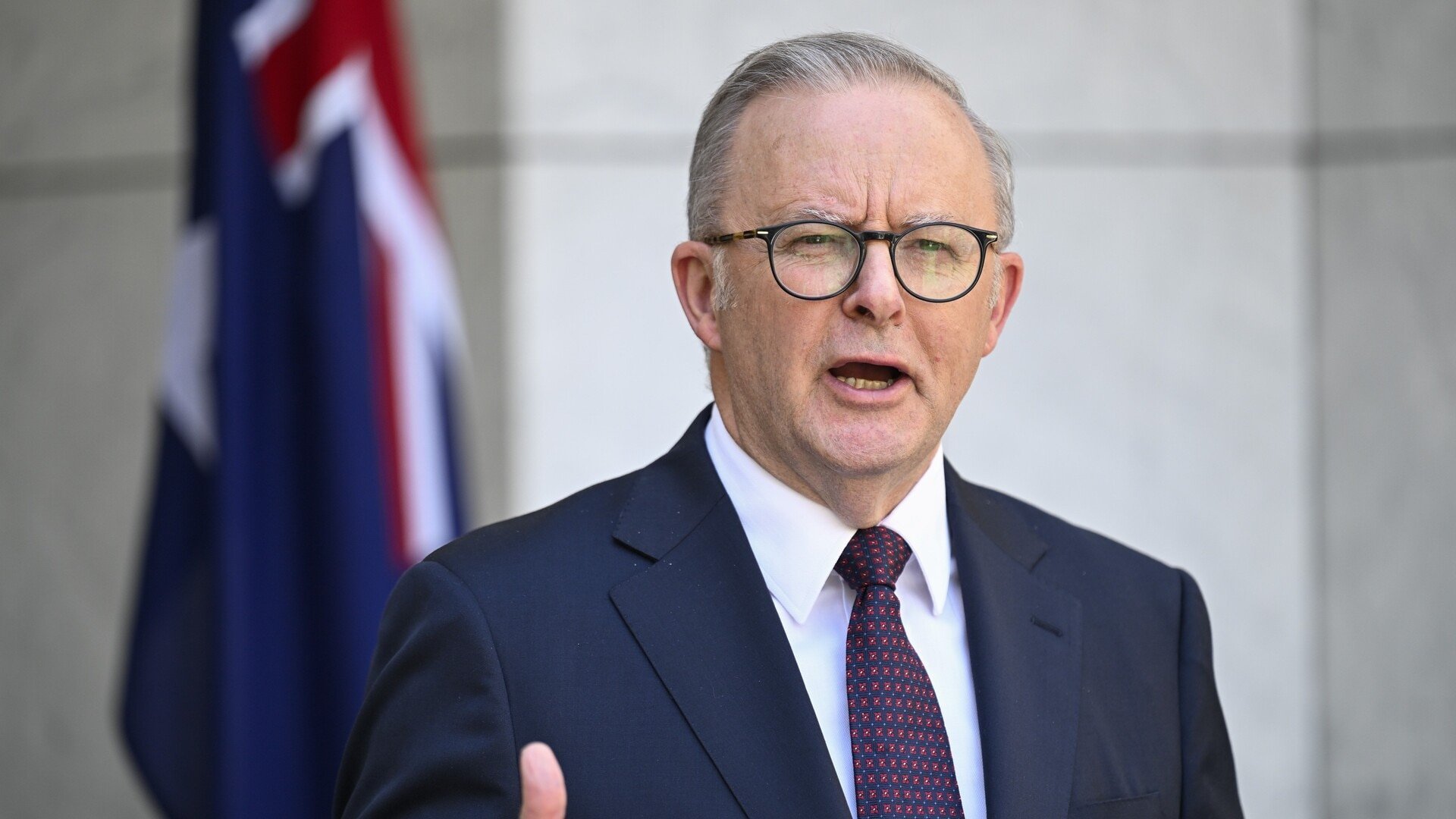
The debate over gas export taxes has reached a boiling point in Australia, with former Prime Minister Tony Abbott weighing in on the issue. Speaking on the Karl Stefanovic Podcast, Abbott claimed that the public was being “misled” by campaigners pushing for bigger taxes on gas exports.
He compared the public’s support for the plan to the popularity of “stoning witches” in the past, suggesting that just because something is popular, it doesn’t make it right.
Abbott’s comments came as news emerged that Anthony Albanese’s government was not expected to pursue changes to taxes on gas exports in the May budget.
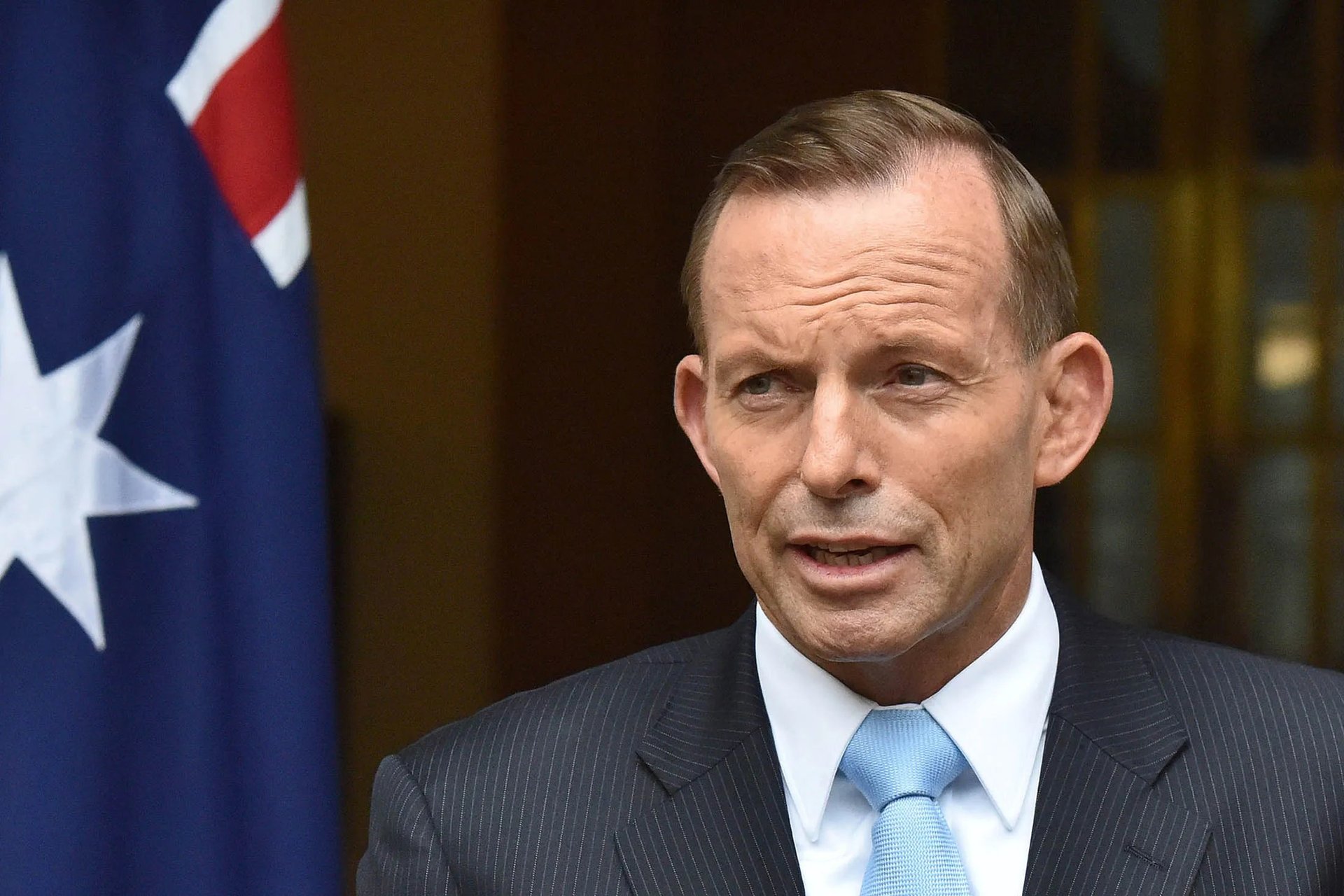
This decision has been met with criticism from some, including Independent Senator David Pocock, who accused the Prime Minister and Abbott of “parroting gas industry talking points”.
Pocock has been a vocal supporter of increasing taxes on gas exports, and has called for a 25 per cent royalty on export profits.

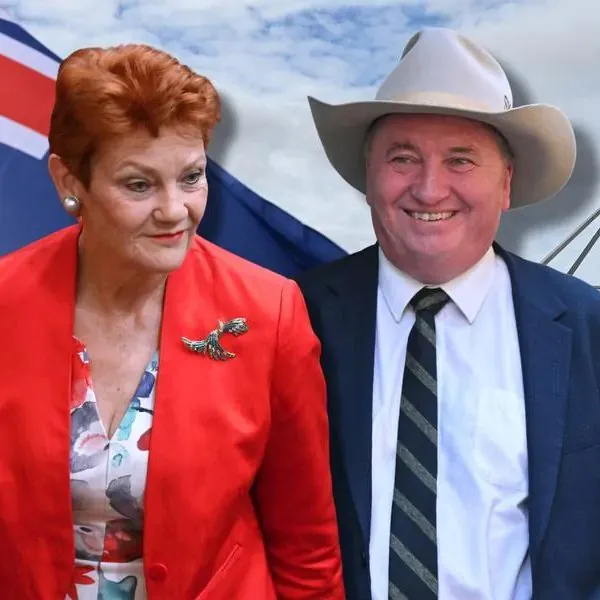
The call for tax reform has gained significant momentum, with a recent poll by the Australia Institute finding that 95 per cent of respondents supported the move.
However, major gas companies have warned that hiking taxes would have serious consequences, including less investment, higher prices, and a shortage of gas for Australians.
Woodside’s CEO, Liz Westcott, told the company’s annual general meeting that a 25 per cent revenue-based royalty on gas exports would render their $30 billion Browse project “uneconomic”.
But proponents of tax reform argue that the current system is broken and that Australians are not getting a fair return for their natural resources. Former treasury secretary Ken Henry told the Senate inquiry into taxation settings that it was time to “stop the crap” and impose new taxes.
“In the national interest, just do it and stop the crap the Australian public has put up with for decades now,” he said.
Analysis: What This Means for Australia
The debate over gas export taxes has significant implications for Australia’s national security, economy, and public safety.
If the government fails to reform the tax system, it risks missing out on billions of dollars in revenue that could be used to fund essential public services.
On the other hand, if the tax is increased, it could lead to higher prices and a shortage of gas for Australians, which could have serious consequences for the economy and public safety.
Security analysts say that the government needs to find a balance between ensuring a fair return for Australian resources and avoiding measures that could harm the economy or public safety.
“The government needs to take a careful and considered approach to this issue,” said one analyst.
“They need to weigh up the potential benefits of increasing taxes against the potential risks and make a decision that is in the best interests of the Australian people.”
Law enforcement insiders also warn that the government needs to be careful not to create an environment that encourages multinational companies to avoid paying their fair share of tax.
“The government needs to ensure that any changes to the tax system are fair and equitable, and that companies are not able to exploit loopholes to avoid paying their taxes,” said one insider.
Industry observers believe that the government’s decision not to pursue changes to taxes on gas exports in the May budget is a missed opportunity. “The government had a chance to make a real difference here, but it seems they have blinked,” said one observer.
“This is a missed opportunity to ensure that Australians get a fair return for their natural resources.”