Ben Roberts-Smith to Defy Critics and Attend Anzac Day Services Amid War Crimes Allegations
- Ben Roberts-Smith confirms attendance at Anzac Day services to “pay my respects” despite facing war crimes charges
- Former soldier denies involvement in rally calling for withdrawal of charges, organized by ethno-nationalist group
- War crimes allegations stem from alleged actions during service in Afghanistan, which Roberts-Smith strenuously denies
- RSL Australia welcomes all Australians, including Roberts-Smith, to attend Anzac Day commemorations
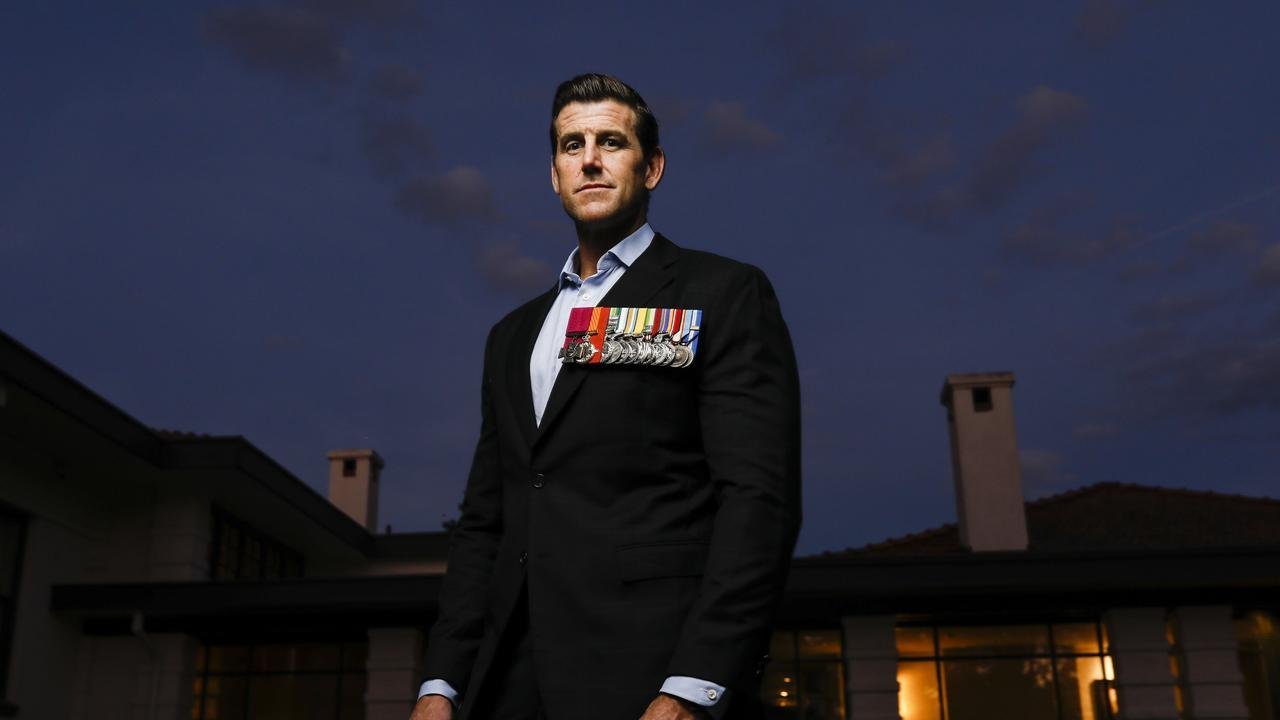
As the nation prepares to commemorate Anzac Day, former soldier Ben Roberts-Smith has confirmed he will attend services, despite facing war crimes charges. The Victoria Cross recipient, who was released on bail last week, intends to pay his respects, sparking a mix of support and criticism.
Roberts-Smith has strenuously denied the allegations, which stem from his service in Afghanistan.
Roberts-Smith’s decision to attend Anzac Day services comes after he was charged with five counts of the war crime of murder earlier this month.

The allegations have sparked a heated debate, with some calling for him to be allowed to participate in the commemorations, while others believe he should be barred.
In a statement, Roberts-Smith said he greatly appreciates the support from fellow Victoria Cross recipient Keith Payne, who encouraged him to attend the services.




The former soldier’s attendance at Anzac Day services has also sparked concerns about his potential involvement in a rally calling for the withdrawal of charges against him.
However, Roberts-Smith has denied any involvement in the event, which is being organized by the National Workers Alliance, an ethno-nationalist group.
The group claims it supports the “preservation of Western culture and identity.” Roberts-Smith’s lawyers have also distanced him from the rally, stating that he and his family are not associated with the organizers.
As the nation prepares to commemorate the sacrifices of past and present veterans, the controversy surrounding Roberts-Smith’s attendance has raised questions about the Anzac Spirit and the role of those accused of war crimes in the commemorations.
RSL Australia has welcomed all Australians, including Roberts-Smith, to attend the services, stating that its responsibility is not only to honor the fallen but also to support the living.
The war crimes allegations against Roberts-Smith have sparked a heated debate about the actions of Australian soldiers during the conflict in Afghanistan. The allegations have also raised questions about the accountability of those accused of war crimes and the impact on the reputation of the Australian military.
Analysis: What This Means for Australia
The controversy surrounding Ben Roberts-Smith’s attendance at Anzac Day services has significant implications for Australia’s national security and the reputation of its military.
The allegations of war crimes have sparked a heated debate about the actions of Australian soldiers during the conflict in Afghanistan and the accountability of those accused.
The case also raises questions about the role of those accused of war crimes in the Anzac Day commemorations and the impact on the Anzac Spirit.
Security analysts say that the allegations against Roberts-Smith have the potential to damage the reputation of the Australian military and undermine public trust in the institution.
The case also highlights the need for greater accountability and transparency in the investigation and prosecution of war crimes allegations.
Law enforcement insiders warn that the case has significant implications for the investigation and prosecution of war crimes allegations in Australia. The case highlights the need for greater cooperation between law enforcement agencies and the military in investigating and prosecuting war crimes allegations.
Industry observers believe that the controversy surrounding Roberts-Smith’s attendance at Anzac Day services has significant implications for the reputation of the Australian military and the nation’s international relationships.
The case highlights the need for greater accountability and transparency in the investigation and prosecution of war crimes allegations and the importance of upholding the Anzac Spirit.