Rottnest Island’s Dark Past Exposed: 12 Potential Mass Graves Uncovered as Construction Uncovers Indigenous Remains
- Ground-penetrating radar detects 12 potential burial sites on Rottnest Island, sparking fears of a mass grave
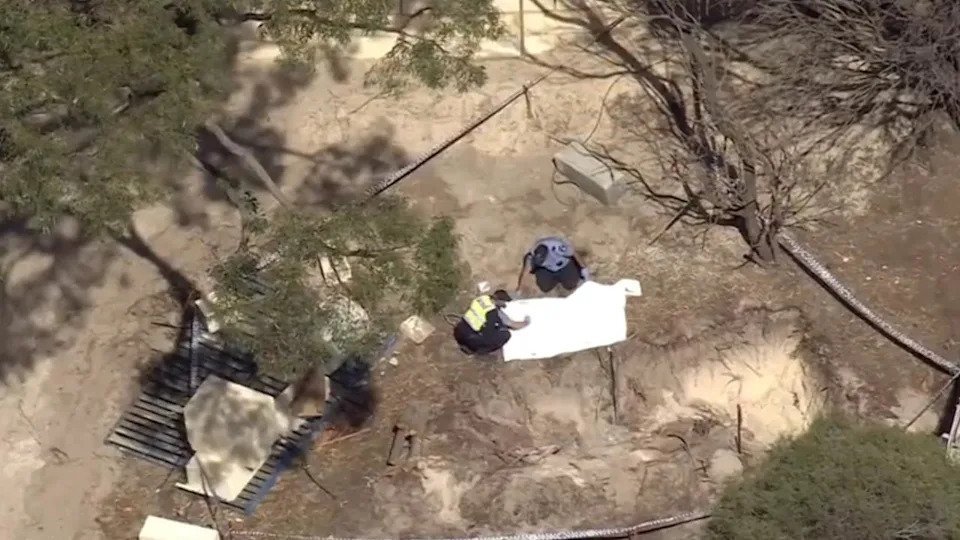
- Human remains were first discovered during construction works at Holy Trinity Church, halted while authorities investigate
- The island’s brutal history as an Aboriginal prison and forced labour camp from 1838 to 1931 raises questions about the true extent of the tragedy
- Authorities acknowledge “profound cultural and spiritual significance” of the site, promising to follow cultural protocols and protect the area
The pristine beaches and smiling quokkas of Rottnest Island have long been a favourite among tourists, but the island’s dark past has been thrust into the spotlight after the discovery of human remains during construction works.
The find has sparked a wider investigation, with ground-penetrating radar detecting 12 potential burial sites across the island.
The revelation has sent shockwaves through the Indigenous community, who have long known about the island’s brutal history as an Aboriginal prison and forced labour camp.
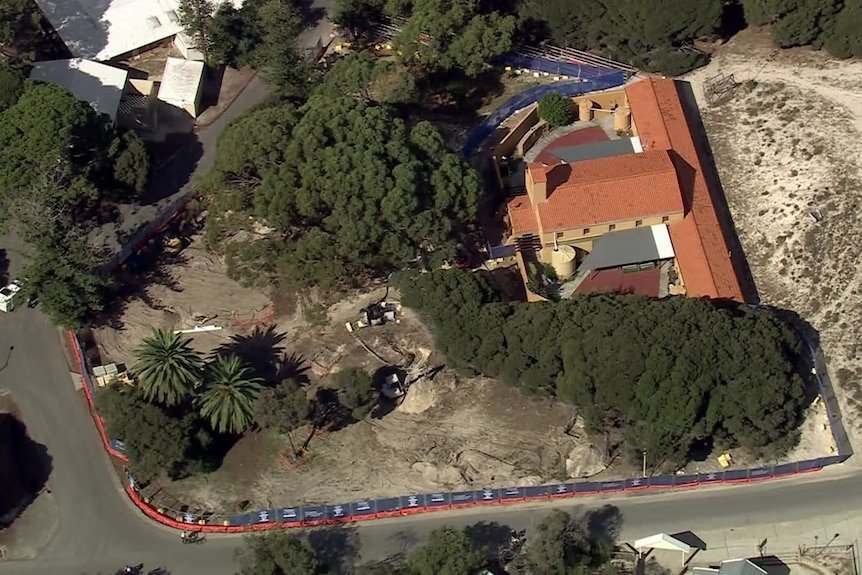
The construction project at Holy Trinity Church, located 19km off Perth’s coast, was halted immediately after the discovery, allowing anthropological and archaeological work to be carried out to better understand the site’s cultural and historical significance.
While forensic analysis has confirmed the bones are “historical in nature and consistent with Indigenous ancestry”, the true extent of the tragedy is only beginning to unravel.




The Rottnest Island Authority (RIA) and Whadjuk Aboriginal Corporation (WAC) have issued a joint statement, acknowledging the “profound cultural and spiritual significance” of the site and promising to follow cultural protocols to protect the area.
The discovery has reignited painful memories of the island’s past, which operated as a brutal Aboriginal prison and forced labour camp from 1838 to 1931, incarcerating nearly 4000 men and boys.
The conditions were notorious, with prisoners subjected to forced labour, physical abuse, and starvation. The site has long been considered sacred by the Whadjuk Noongar people, who have called for greater recognition and respect for their ancestors’ remains.
Analysis: What This Means for AustraliaThe discovery on Rottnest Island raises serious questions about Australia’s treatment of its Indigenous population, both past and present.
The country’s history of forced labour camps, prisons, and massacres is a painful reminder of the need for reconciliation and recognition.
As the nation grapples with its complex past, the discovery serves as a stark reminder of the importance of preserving cultural heritage and respecting the rights of Indigenous Australians.
Security analysts say the discovery highlights the need for greater protection of Indigenous sites and artifacts, which are often vulnerable to destruction or desecration. “The discovery on Rottnest Island is a wake-up call for Australia to take greater responsibility for its cultural heritage,” said one expert.
“It’s not just about preserving the past, but also about respecting the present and future of Indigenous Australians.”
The economic implications of the discovery are also significant, with tourism operators and local businesses potentially facing reputational damage.
Industry observers believe that the incident could have a lasting impact on the island’s tourism industry, which relies heavily on its pristine beaches and natural beauty.
“The discovery is a timely reminder of the importance of cultural sensitivity and respect,” said one industry insider.
“Tourism operators must take steps to acknowledge and respect the island’s Indigenous heritage, or risk losing the trust of visitors.”
As the investigation continues, authorities are under pressure to ensure that the site is protected and respected.
The discovery serves as a poignant reminder of Australia’s complex and often painful history, and the need for greater recognition and reconciliation.
As the nation grapples with its past, the people of Rottnest Island will be watching closely to ensure that their ancestors’ remains are treated with the dignity and respect they deserve.
The pristine beaches and smiling quokkas of Rottnest Island have long been a favourite among tourists, but the island’s dark past has been thrust into the spotlight after the discovery of human remains during construction works. The find has sparked a wider investigation, with ground-penetrating radar detecting 12 potential burial sites across the island. The revelation has sent shockwaves through the Indigenous community, who have long known about the island’s brutal history as an Aboriginal prison and forced labour camp.
The construction project at Holy Trinity Church, located 19km off Perth’s coast, was halted immediately after the discovery, allowing anthropological and archaeological work to be carried out to better understand the site’s cultural and historical significance. While forensic analysis has confirmed the bones are “historical in nature and consistent with Indigenous ancestry”, the true extent of the tragedy is only beginning to unravel. The Rottnest Island Authority (RIA) and Whadjuk Aboriginal Corporation (WAC) have issued a joint statement, acknowledging the “profound cultural and spiritual significance” of the site and promising to follow cultural protocols to protect the area.
The discovery has reignited painful memories of the island’s past, which operated as a brutal Aboriginal prison and forced labour camp from 1838 to 1931, incarcerating nearly 4000 men and boys. The conditions were notorious, with prisoners subjected to forced labour, physical abuse, and starvation. The site has long been considered sacred by the Whadjuk Noongar people, who have called for greater recognition and respect for their ancestors’ remains.
The discovery on Rottnest Island raises serious questions about Australia’s treatment of its Indigenous population, both past and present. The country’s history of forced labour camps, prisons, and massacres is a painful reminder of the need for reconciliation and recognition. As the nation grapples with its complex past, the discovery serves as a stark reminder of the importance of preserving cultural heritage and respecting the rights of Indigenous Australians.
Security analysts say the discovery highlights the need for greater protection of Indigenous sites and artifacts, which are often vulnerable to destruction or desecration. “The discovery on Rottnest Island is a wake-up call for Australia to take greater responsibility for its cultural heritage,” said one expert. “It’s not just about preserving the past, but also about respecting the present and future of Indigenous Australians.”
The economic implications of the discovery are also significant, with tourism operators and local businesses potentially facing reputational damage. Industry observers believe that the incident could have a lasting impact on the island’s tourism industry, which relies heavily on its pristine beaches and natural beauty. “The discovery is a timely reminder of the importance of cultural sensitivity and respect,” said one industry insider. “Tourism operators must take steps to acknowledge and respect the island’s Indigenous heritage, or risk losing the trust of visitors.”
As the investigation continues, authorities are under pressure to ensure that the site is protected and respected. The discovery serves as a poignant reminder of Australia’s complex and often painful history, and the need for greater recognition and reconciliation. As the nation grapples with its past, the people of Rottnest Island will be watching closely to ensure that their ancestors’ remains are treated with the dignity and respect they deserve.