Queensland Police Launch Year-Round Blitz to Tame Horror Year on Roads as 98 Lives Lost and Enforcement Hours Plummet by 46%
- Queensland Police Service launches Operation Interpose to boost road safety presence and visibility
- Police enforcement hours dropped by 46% in the five years since the COVID-19 pandemic
- More than 300 people have died on Queensland roads this year, with four additional deaths over the Christmas period
- Operation Interpose will run year-round, targeting law-breaking drivers and high-risk areas
As Queensland grapples with another devastating year on its roads, the state’s police force has launched a year-round operation to curb the alarming rise in fatalities.
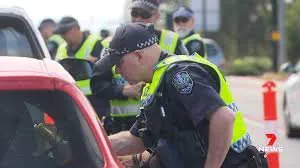
Operation Interpose, which kicked off on Saturday, aims to boost police presence and visibility on the roads, targeting law-breaking drivers and high-risk areas. The move comes as the state mourns the loss of 98 lives on its roads, with four additional deaths recorded over the Christmas period.
The operation is a response to the shocking revelation that police enforcement hours dropped by 46% in the five years since the COVID-19 pandemic. In 2019, police logged 890,728 road safety enforcement hours, but by 2024, this number had plummeted to 478,143 hours.
The decline in enforcement hours has been matched by a corresponding increase in road trauma, with the number of lives lost on Queensland roads climbing from a record low of 220 in 2019 to 301 in 2024.
Chief Superintendent Mark Wheeler acknowledged that the decrease in enforcement hours had contributed to the rise in road fatalities.



“I think when we saw the decrease in that enforcement in that road safety operational tempo, we certainly saw an increase in road trauma,” he said.
“And that’s not just in the fatalities, but also in injury crashes.” Wheeler attributed the challenge to the growing state, with at least half a million more licenced drivers on the roads since 2019.
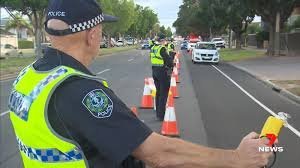
Operation Interpose will involve high-visibility techniques, including patrols, random breath testing, and the deployment of speed detection equipment. The operation will be intelligence-led, with police using data from districts and regions to identify high-risk areas and deploy resources accordingly.
“For the entirety of the year, there will be an operational focus,” Chief Superintendent Wheeler warned. “Really, really focused, intelligence-led information from our districts [and] information from our regions as to where we need to be deploying our resources.”
Security analysts say that the operation is a step in the right direction, but more needs to be done to address the root causes of road trauma.
“While high-visibility policing can be effective in deterring law-breaking drivers, it’s only part of the solution,” said one expert. “The government needs to invest in road safety infrastructure, improve public education campaigns, and address the growing number of licenced drivers on the roads.”
Law enforcement insiders warn that the rise in road fatalities is not just a Queensland problem, but a national issue that requires a coordinated response.
“We need to see a national approach to road safety, with all states and territories working together to share intelligence, best practices, and resources,” said an insider.
“Only then can we hope to reduce the number of lives lost on our roads.”
Analysis: What This Means for Australia
The launch of Operation Interpose highlights the urgent need for a national approach to road safety. With Queensland’s road toll continuing to rise, it’s clear that more needs to be done to address the root causes of road trauma.
The operation’s focus on high-visibility policing and intelligence-led enforcement is a step in the right direction, but it’s only part of the solution. The government needs to invest in road safety infrastructure, improve public education campaigns, and address the growing number of licenced drivers on the roads.
The national security implications of the rise in road fatalities cannot be ignored. With more than 1,200 people dying on Australian roads each year, it’s a crisis that requires a coordinated response.
The federal government needs to take a leadership role in addressing the issue, working with state and territory governments to develop a national road safety strategy.
The economic and social consequences of the rise in road fatalities are also significant.
The cost of road trauma is estimated to be in the billions of dollars each year, with the human cost of lost lives and injured loved ones immeasurable.
The government needs to take a proactive approach to addressing the issue, investing in road safety initiatives and supporting those affected by road trauma.