Victorian Motorists Set for $186 Rego Rebate: What It Means for the State’s Cost of Living Crisis
- Victorian car owners to receive 20% discount on registration fees for up to two cars from June 1
- The one-off rebate is expected to cost the state government around $750 million in lost revenue
- The move is part of a broader effort to tackle the state’s cost of living crisis ahead of the November 28 election
- Eligible motorists can apply for the rebate through the Service Victoria website from June 1 to July 31
The Victorian government has announced a major incentive for motorists, offering a 20% discount on registration fees for up to two cars.
The move, which is set to cost the state around $750 million in lost revenue, is part of a broader effort to tackle the state’s cost of living crisis.
With the state election looming on November 28, the government is hoping to ease the financial burden on motorists who are feeling the pinch from soaring petrol and diesel prices.
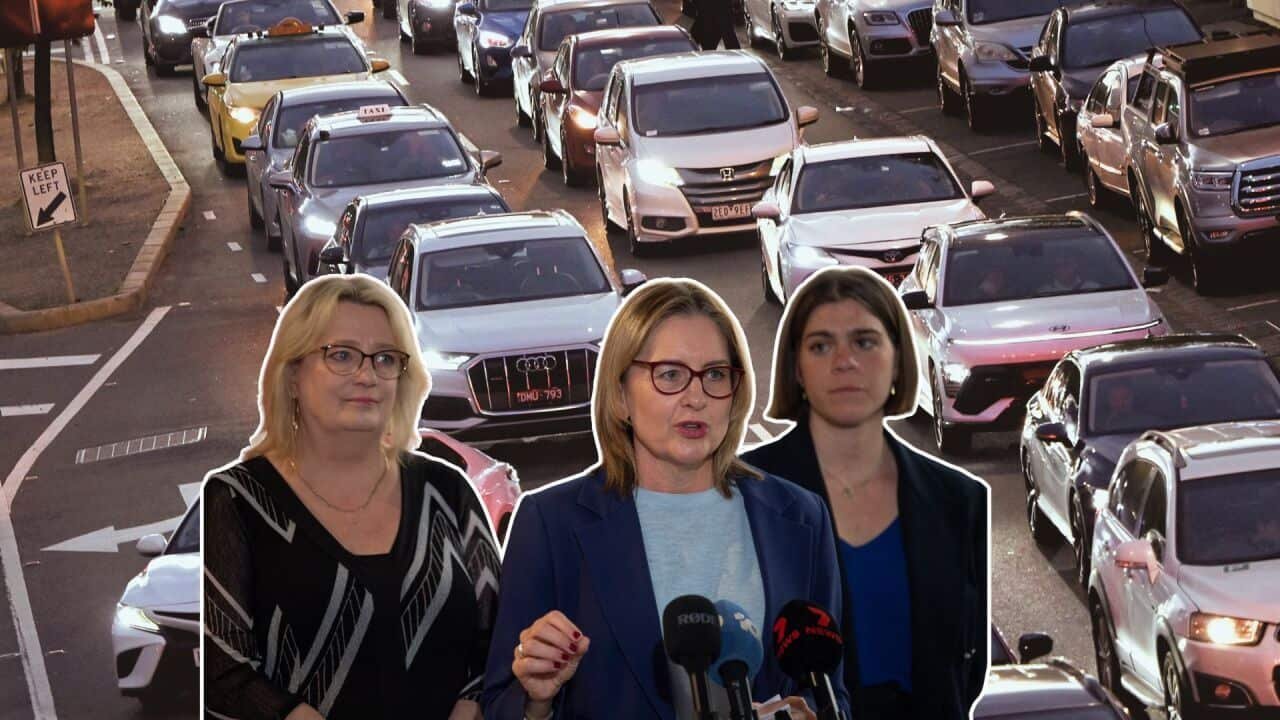
The rebate, which will be available from June 1, will see motorists receive up to $186 off their annual registration fees.
The discount will apply to all light vehicles registered for personal use, including cars, SUVs, and utes, but will not be available for fleet vehicles or heavy commercial trucks weighing over 4.5 tonnes.



The government expects around four million vehicles to be eligible for the rebate, which will be administered through the Service Victoria website.
The move has been welcomed by motorists, who have been struggling to cope with the state’s high registration costs. Victoria has the second-highest registration fees in the country, with metropolitan areas often exceeding $900 per car.
The rebate is seen as a much-needed reprieve for motorists who are already facing significant financial pressure from rising fuel prices and other living expenses.
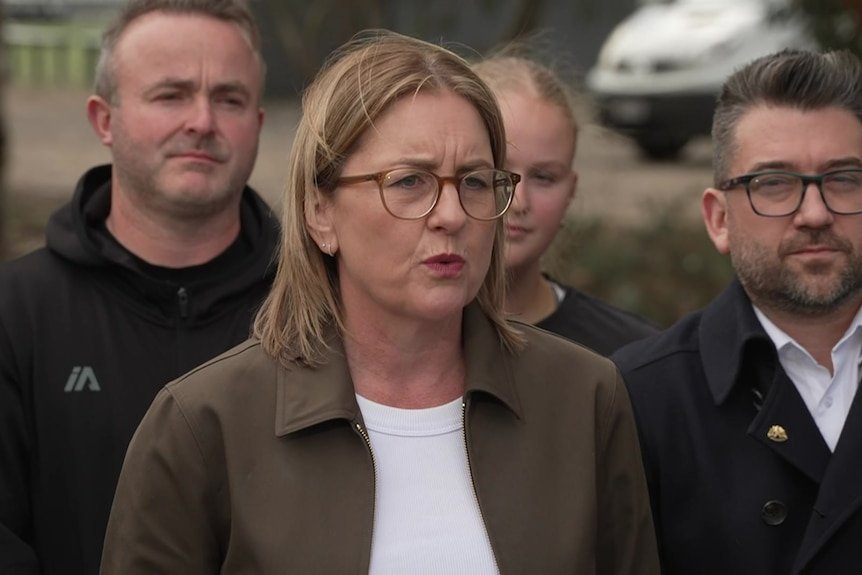
According to Victorian premier Jacinta Allan, the rebate is a direct response to the surge in petrol and diesel prices due to conflict in the Middle East.
“I’m determined to use government to help Victorians who are under pressure,” she said in a press release. “Like cheaper PT, this won’t fix everything, but it’s immediate action I can take to make a difference.
We can afford it because it’s one-off cost-of-living help right now, while we are delivering a surplus.”
The rebate is part of a broader effort by the government to tackle the state’s cost of living crisis.
In addition to the rego rebate, the government has also announced plans to keep public transport free until May 31, and half-price from June 1 until the end of the year.
The moves are expected to cost the government around $1.2 billion in lost revenue, but are seen as essential in supporting Victorians who are struggling to make ends meet.
Analysis: What This Means for Australia
The Victorian government’s decision to offer a rego rebate to motorists is a significant move that is likely to have far-reaching implications for the state’s cost of living crisis.
With the state election looming, the government is under pressure to deliver tangible benefits to voters, and the rebate is seen as a key part of its strategy.
But what does this mean for the rest of Australia?
According to experts, the rebate is a sign of the growing pressure on state governments to address the cost of living crisis. With petrol prices soaring and other living expenses on the rise, motorists are feeling the pinch, and governments are being forced to respond.
The rebate is seen as a short-term solution, but it may not address the underlying issues driving the cost of living crisis.
Security analysts say that the rebate is also likely to have implications for national security. With the government facing significant budget pressures, the rebate may divert funds away from other essential services, including law enforcement and border control.
This could have significant implications for the country’s ability to respond to emerging threats.
Industry observers believe that the rebate may also have implications for the automotive industry.
With the rebate set to cost the government around $750 million in lost revenue, there are concerns that it may lead to increased costs for motorists in the long term.
This could have significant implications for the industry, which is already facing significant disruption from emerging technologies and changing consumer preferences.