Australia’s Economic Woes: From ‘Lucky Country’ to ‘Lazy Land’ – The Frightening Truth Behind Our Nation’s Decline
- Renowned finance expert Christopher Joye slams Australia’s economy, saying it’s been artificially inflated by immigration and government spending.
- The nation’s productivity is suffering, with the private sector in a per capita income recession since 2023.
- Australia’s debt is predicted to hit $1 trillion in 2026, with interest payments rising to $36.7 billion in four years’ time.
- As the country grapples with declining income per capita, falling living standards, and shrinking prosperity, Joye warns of a looming change in the political landscape.
Australia, once touted as the ‘lucky country’, has lost its mojo, according to Christopher Joye, one of the nation’s leading finance minds.
In a scathing assessment, Joye asserts that the country has become the ‘lazy land’, relying heavily on government spending and immigration to prop up its economy.
This, he claims, has resulted in a false sense of security, with the private sector suffering from a per capita income recession since 2023.
Joye’s comments come as the country grapples with rising inflation, stagnant productivity, and a ballooning national debt.
The Australian Bureau of Statistics has revealed that there are almost 2.6 million public servants, up 3.3 per cent on the year before, with the government sector now the largest since World War II.

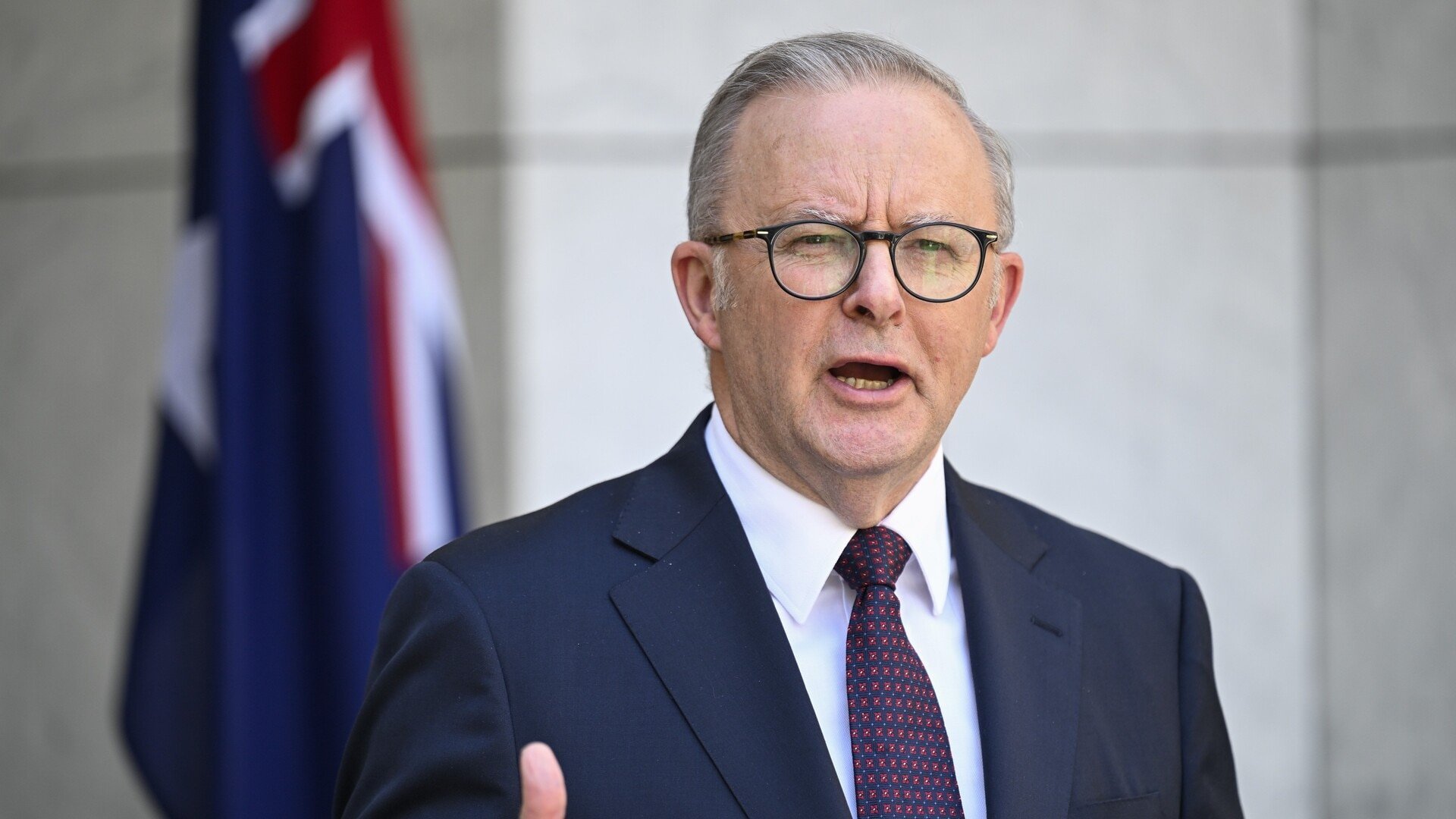
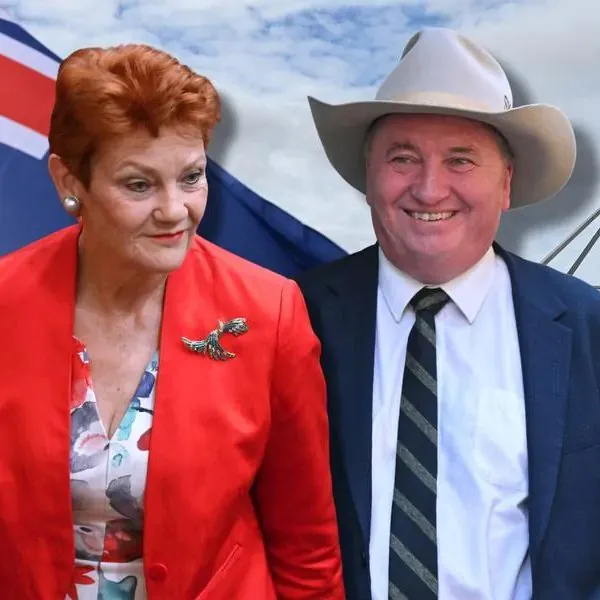
This ‘stealth socialism’, as Joye calls it, has led to an economy built on fake growth, with a lot of cost pressure, built on debt and immigration.
But what’s driving this decline? Joye points to the RBA’s decision to hike interest rates, which he says was a capitulation to the reality of inflation.
However, he argues that the real issue lies in the government’s reliance on immigration and spending to fuel growth. “The Aussie economy has been artificially inflated by immigration and by government spending, not by businesses,” he says.
“In fact, the private sector is in a per capita income recession and has been since 2023.”
Analysis: What This Means for Australia
The implications of Joye’s warnings are stark.
With the country’s debt predicted to hit $1 trillion in 2026, and interest payments rising to $36.7 billion in four years’ time, the nation is facing a perfect storm of economic woes.
The consequences of this will be felt across the country, from declining living standards to shrinking prosperity. As Joye notes, “Australians are dealing with declining income per capita, falling living standards and shrinking prosperity, which I think will have political consequences.”
Security analysts warn that the country’s economic decline will have far-reaching consequences for national security, as a weak economy makes it more vulnerable to external threats.
“A strong economy is the backbone of a strong nation,” says one analyst. “If Australia’s economy continues to decline, it will have serious implications for our ability to defend ourselves and project power in the region.”
Industry observers believe that the government’s reliance on immigration and spending is a short-term fix that will ultimately lead to more problems down the line.
“The government needs to take a long-term view and focus on stimulating private sector growth,” says one expert. “This means reducing taxes, cutting red tape, and investing in infrastructure.
Anything less will just be kicking the can down the road.”
As the country struggles to come to terms with its economic woes, Joye’s warnings serve as a stark reminder of the challenges ahead.
With the political landscape set to shift in response to these economic pressures, one thing is clear: Australia needs to take drastic action to address its economic decline before it’s too late.
Australian economy government spending immigration Australian Bureau of Statistics Reserve Bank of Australia