ISIS-Linked Families Stuck in Limbo: The Australian Government’s Dilemma Over Repatriation
- A group of 13 Australian women and children with ties to former Islamic State fighters are stranded in Damascus, Syria, awaiting a solution to return home.
- Despite the Syrian government’s claims that Australia has refused to receive them, an international law expert says there is no legal barrier to their return.
- The federal government has warned that anyone who has broken the law will face “the full force of the law” if they come back to Australia.
- The case has sparked a fiery debate in Australia, with some calling for the children to be returned safely, while others argue that the women should face consequences for their actions.
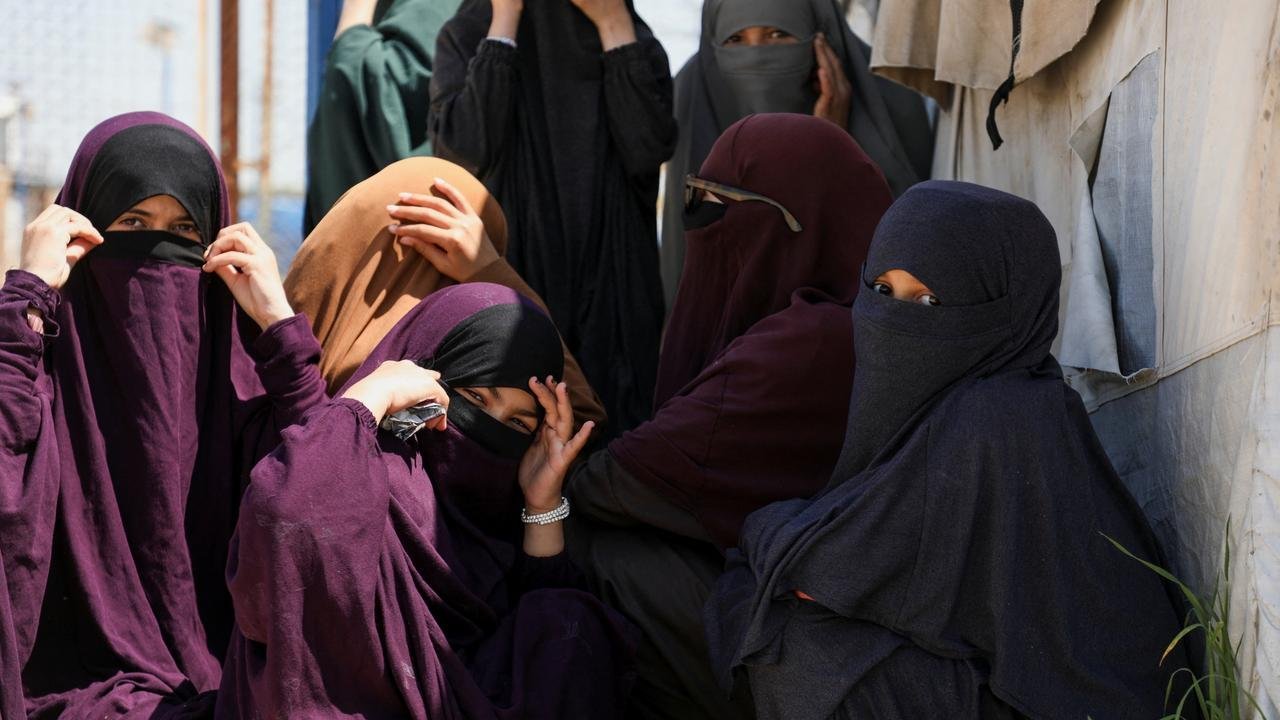
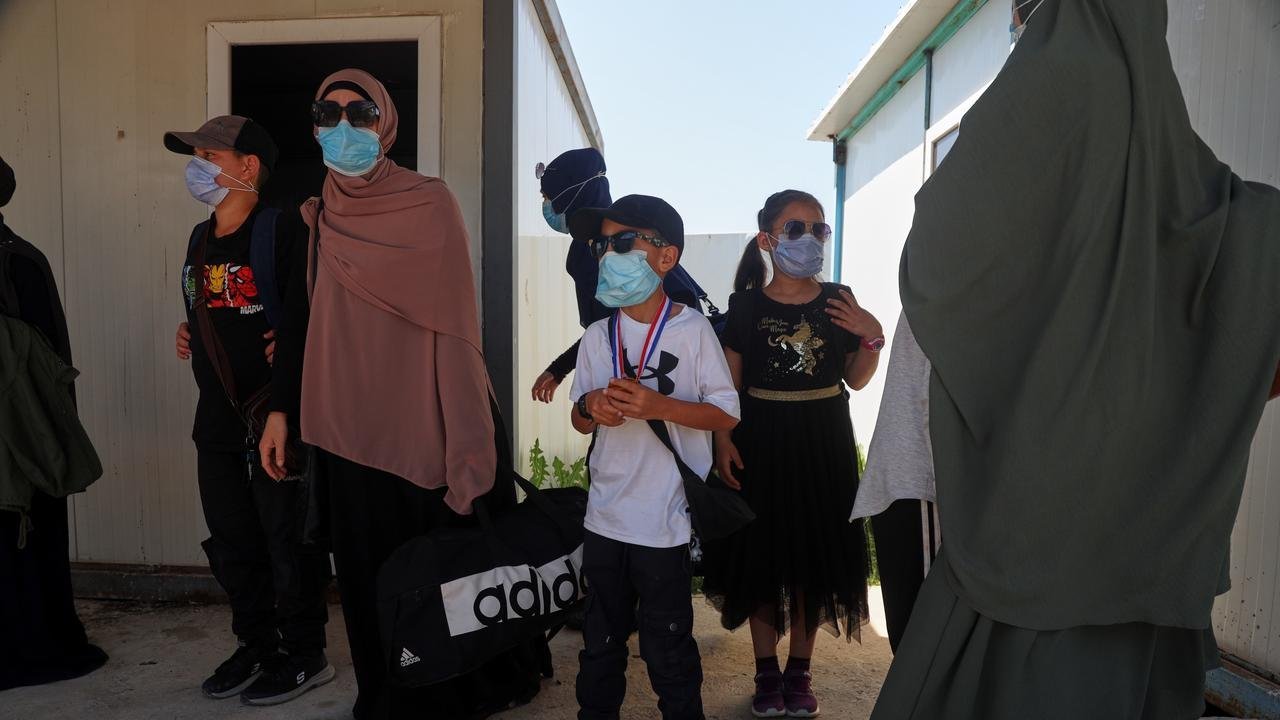
The group of four women and nine children, all Australian citizens with Australian passports, left the notorious Al Roj refugee camp in Kurdish-controlled north-east Syria last week, hoping to return home.
However, they were turned back before reaching Damascus airport, with the Syrian government claiming that the Australian government had refused to receive them.
But according to Australian National University international law expert Don Rothwell, there is nothing under Australian law that prohibits the group from physically travelling to Australia.
The group’s attempted return has sparked a heated debate in Australia, with the federal government warning that anyone who has broken the law will face “the full force of the law” if they come back to Australia.
Home Affairs Minister Tony Burke said that while he wouldn’t interfere with operational matters, those who had committed crimes would be held accountable.



“There is no way I’ll interfere with anything operationally, but I will say anyone who has broken the law will face the full force of the law, and I suspect some of these individuals will be weighing up whether they want to come back to Australia ever,” he said.
However, organisations such as Save the Children Australia are calling for the children to be returned safely, citing the dire conditions they have been living in for the past seven years.
“For the past seven years, these innocent children have been growing up in tents in desert camps, with limited access to healthcare and their education badly disrupted, in conditions that would alarm most Australians,” said Save the Children Australia CEO Mat Tinkler.
The case has also raised questions about the Australian government’s responsibility to its citizens, particularly children.
While the government has maintained that it is not involved in the repatriation process, some argue that it has a moral obligation to bring its citizens home.
The US has been pressuring countries to repatriate their citizens from the Al Roj camp, and Prime Minister Anthony Albanese has said that Australia’s position on the issue is clear.
Analysis: What This Means for AustraliaThe repatriation of Australian citizens with ties to Islamic State fighters raises significant national security concerns.
While some argue that the women should face consequences for their actions, others believe that the children should not be punished for the sins of their parents.
The case also highlights the need for Australia to have a clear and consistent policy on repatriation, particularly in cases where individuals have been involved in terrorism.
Security analysts say that the return of these individuals could pose a risk to national security, particularly if they have been radicalised or have committed crimes while in Syria.
However, others argue that the government has a responsibility to rehabilitate and reintegrate its citizens, particularly children, who may have been victims of circumstance. The case also raises questions about Australia’s role in the global effort to combat terrorism.
While the government has been critical of the women’s actions, it has also been accused of not doing enough to prevent them from travelling to Syria in the first place.
The US has been pressuring countries to take responsibility for their citizens, and Australia’s response to this case will be closely watched by the international community.
In terms of law enforcement, the case highlights the need for Australia to have robust laws and policies in place to deal with individuals who have been involved in terrorism.
The government has warned that those who have broken the law will face consequences, but it remains to be seen how this will play out in practice.
Ultimately, the repatriation of Australian citizens with ties to Islamic State fighters is a complex and sensitive issue that requires careful consideration and a nuanced approach.
While national security concerns are paramount, it is also important to consider the humanitarian implications of leaving children stranded in refugee camps.
As the debate continues, one thing is clear: Australia’s response to this case will have significant implications for its citizens, its national security, and its reputation on the world stage.
The group of four women and nine children, all Australian citizens with Australian passports, left the notorious Al Roj refugee camp in Kurdish-controlled north-east Syria last week, hoping to return home. However, they were turned back before reaching Damascus airport, with the Syrian government claiming that the Australian government had refused to receive them. But according to Australian National University international law expert Don Rothwell, there is nothing under Australian law that prohibits the group from physically travelling to Australia.
The group’s attempted return has sparked a heated debate in Australia, with the federal government warning that anyone who has broken the law will face “the full force of the law” if they come back to Australia. Home Affairs Minister Tony Burke said that while he wouldn’t interfere with operational matters, those who had committed crimes would be held accountable. “There is no way I’ll interfere with anything operationally, but I will say anyone who has broken the law will face the full force of the law, and I suspect some of these individuals will be weighing up whether they want to come back to Australia ever,” he said.
However, organisations such as Save the Children Australia are calling for the children to be returned safely, citing the dire conditions they have been living in for the past seven years. “For the past seven years, these innocent children have been growing up in tents in desert camps, with limited access to healthcare and their education badly disrupted, in conditions that would alarm most Australians,” said Save the Children Australia CEO Mat Tinkler.
The case has also raised questions about the Australian government’s responsibility to its citizens, particularly children. While the government has maintained that it is not involved in the repatriation process, some argue that it has a moral obligation to bring its citizens home. The US has been pressuring countries to repatriate their citizens from the Al Roj camp, and Prime Minister Anthony Albanese has said that Australia’s position on the issue is clear.
The repatriation of Australian citizens with ties to Islamic State fighters raises significant national security concerns. While some argue that the women should face consequences for their actions, others believe that the children should not be punished for the sins of their parents. The case also highlights the need for Australia to have a clear and consistent policy on repatriation, particularly in cases where individuals have been involved in terrorism.
Security analysts say that the return of these individuals could pose a risk to national security, particularly if they have been radicalised or have committed crimes while in Syria. However, others argue that the government has a responsibility to rehabilitate and reintegrate its citizens, particularly children, who may have been victims of circumstance.
The case also raises questions about Australia’s role in the global effort to combat terrorism. While the government has been critical of the women’s actions, it has also been accused of not doing enough to prevent them from travelling to Syria in the first place. The US has been pressuring countries to take responsibility for their citizens, and Australia’s response to this case will be closely watched by the international community.
In terms of law enforcement, the case highlights the need for Australia to have robust laws and policies in place to deal with individuals who have been involved in terrorism. The government has warned that those who have broken the law will face consequences, but it remains to be seen how this will play out in practice.
Ultimately, the repatriation of Australian citizens with ties to Islamic State fighters is a complex and sensitive issue that requires careful consideration and a nuanced approach. While national security concerns are paramount, it is also important to consider the humanitarian implications of leaving children stranded in refugee camps. As the debate continues, one thing is clear: Australia’s response to this case will have significant implications for its citizens, its national security, and its reputation on the world stage.