Ukrainian Drone Strikes Set Russian Oil Refineries Ablaze, Sparking Toxic Fumes and Environmental Devastation
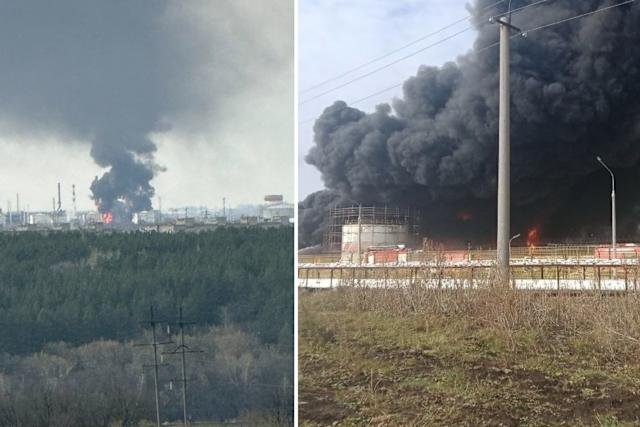
- Three Russian oil refineries have been hit by Ukrainian drone strikes, causing massive fires and releasing toxic fumes into the air.
- The strikes, which demonstrate Ukraine’s ability to target energy infrastructure deep behind enemy lines, have sparked a local state of emergency in the coastal city of Tuapse.
- Residents have been forced to wear face masks to shield themselves from polluted air, with officials warning of elevated levels of benzene, a toxic carcinogen found in petrol.
- The attacks are part of Ukraine’s efforts to disrupt Russia’s oil industry and slash revenue that helps Moscow fund the war in Ukraine.
The past week has seen a series of devastating drone strikes on Russian oil refineries, with Ukraine’s Security Service, the SBU, claiming responsibility for the attacks.
The strikes, which have sparked huge fires and sent plumes of black smoke into the air, demonstrate Ukraine’s ability to target energy infrastructure deep behind enemy lines.
The latest strike hit the Lukoil-owned refinery in Perm, located more than 1,500 kilometres from Ukraine, which has the capacity to process nearly 13 million metric tonnes of oil per year.
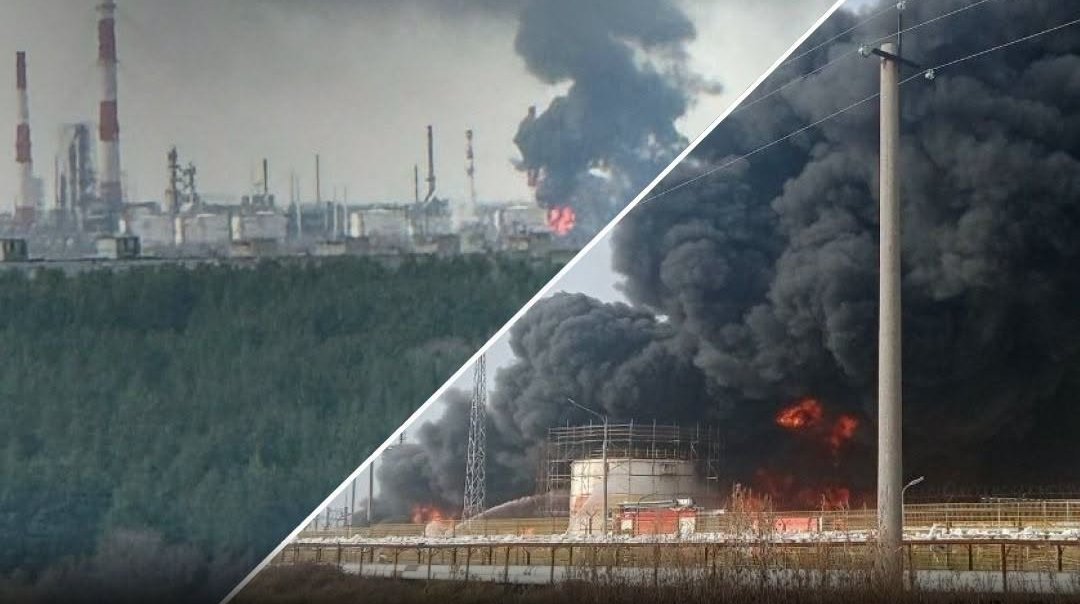
According to the SBU, the strike hit a key facility for primary oil processing at the refinery, effectively putting the unit out of action. Another strike hit an oil pumping station in the area, which supplied the refinery.
In addition to the strike in Perm, Ukrainian drones have also hit oil refineries in the Orenburg region, triggering fires and causing environmental devastation.




The strikes have sparked a local state of emergency in the coastal city of Tuapse, where residents have been forced to wear face masks to shield themselves from polluted air.
The environmental impact of the strikes has been significant, with officials warning of elevated levels of benzene, a toxic carcinogen found in petrol, in the air.
Residents have described a layer of black dust and soot covering cars and buildings, with the smell of burnt oil spreading through the city.
The burning oil terminal is located right next to the city centre, close to pedestrian areas and the road to the resort city of Sochi, a favoured summer escape for the Russian elite, including President Vladimir Putin.
The strikes are part of Ukraine’s efforts to disrupt Russia’s oil industry and slash revenue that helps Moscow fund the war in Ukraine. Ukraine has intensified its attacks in Russia, aiming to hobble Russia’s war machine and reduce its ability to fund the conflict.
Analysis: What This Means for Australia
The strikes on Russian oil refineries have significant implications for Australia, particularly in terms of national security.
The ability of Ukraine to target energy infrastructure deep behind enemy lines demonstrates the importance of securing Australia’s own critical infrastructure, including oil refineries and pipelines.
Law enforcement insiders warn that the strikes highlight the need for increased security measures to protect Australia’s energy infrastructure from potential drone attacks. “The strikes on Russian oil refineries demonstrate the vulnerability of critical infrastructure to drone attacks,” said one insider.
“Australia needs to take steps to protect its own energy infrastructure from similar attacks.”
Security analysts say that the strikes also highlight the importance of diplomacy in resolving conflicts. “The strikes on Russian oil refineries demonstrate the devastating consequences of conflict,” said one analyst.
“Australia needs to continue to play a role in promoting diplomacy and peaceful resolution of conflicts, particularly in the Asia-Pacific region.”
Industry observers believe that the strikes will have significant economic implications, particularly in terms of global oil prices.
“The strikes on Russian oil refineries will likely lead to increased global oil prices, which will have a significant impact on the Australian economy,” said one observer.
“Australia needs to take steps to reduce its reliance on imported oil and increase its energy independence.”