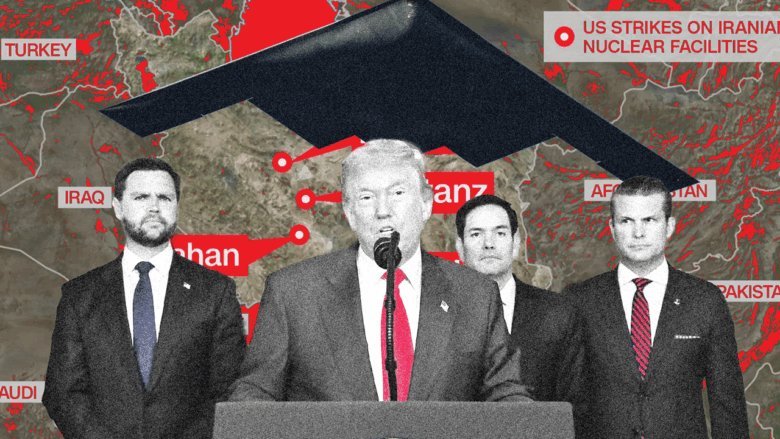
Iran’s Latest Peace Proposal Ignites Hope, But Trump Remains Skeptical Amid Escalating Middle East Conflict
- Iran submits new 14-point proposal to end war, but details remain scarce
- US President Donald Trump reviews proposal, but warns of possible military strikes
- Israel and Hezbollah continue attacks despite ceasefire agreement, leaving at least 13 dead
- Iran’s economy teeters on brink of collapse as oil exports dwindle and inflation soars
The Middle East conflict has taken a dramatic turn with Iran’s submission of a new peace proposal, but US President Donald Trump remains skeptical, warning of possible military strikes.
Despite a ceasefire agreement, Israel and Hezbollah continue to exchange blows, leaving at least 13 people dead. Meanwhile, Iran’s economy is on the verge of collapse, with oil exports dwindling and inflation soaring.
The latest proposal, which includes 14 points, was submitted via Pakistan, which is facilitating negotiations between the US and Iran. However, details of the proposal remain scarce, and Trump has not given any indication of whether he will accept it.
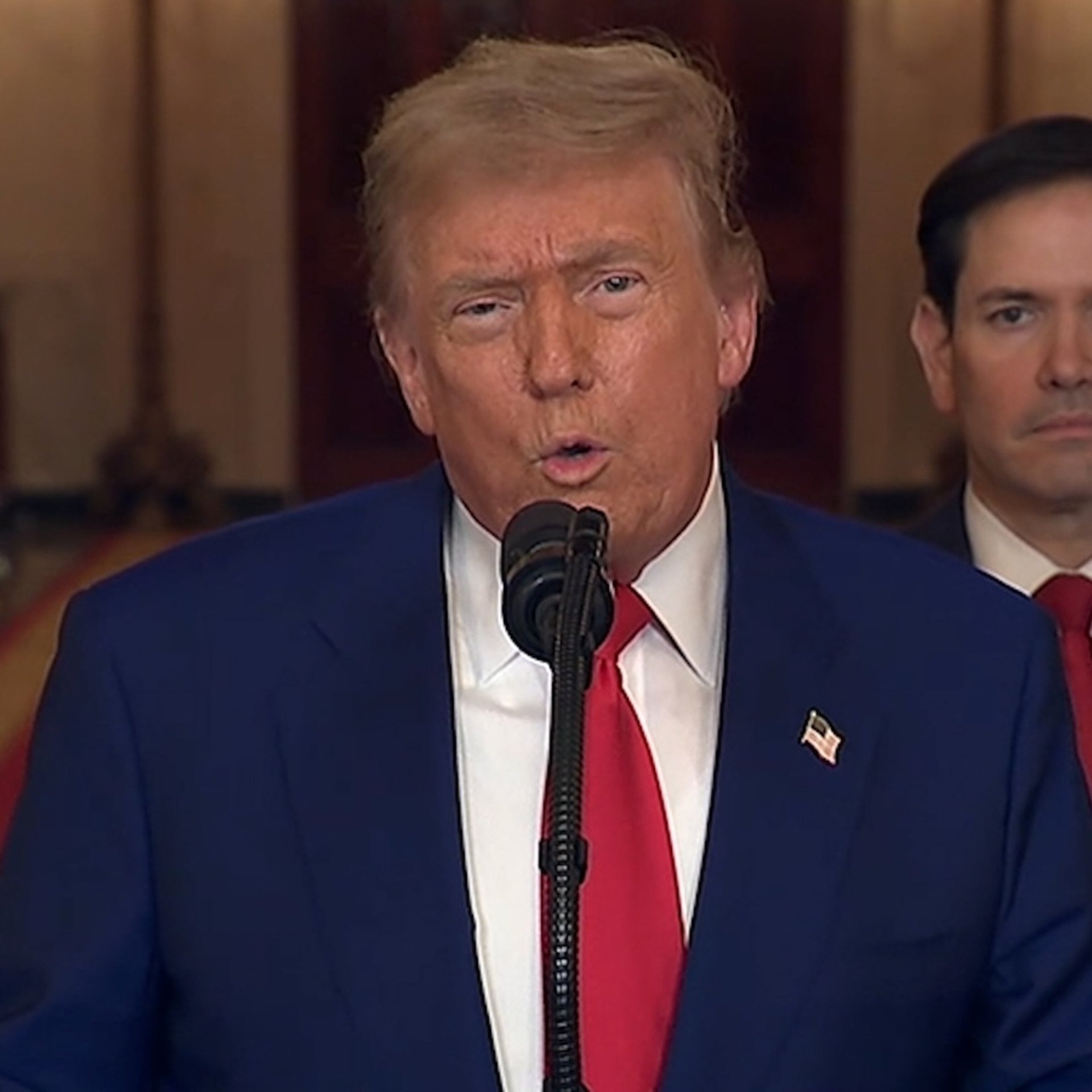
In a statement, Trump said he would review the proposal, but warned that resuming strikes in Iran was “a possibility”.
The conflict has had severe economic consequences for Iran, with oil exports severely curtailed and inflation skyrocketing to over 50%. The Iranian government has urged its people to wage economic battle and “disappoint” its enemies, but many are struggling to make ends meet.


As one Tehran resident, Amir, told an AFP reporter, “Everyone is trying to endure it, but … they are falling apart.”
The situation is further complicated by the US Navy’s blockade of the Strait of Hormuz, which has led to a significant reduction in Iranian oil exports.
The US has warned shipping companies that they could face sanctions for paying Iran to pass safely through the strait, which has been effectively closed by the Iranian government.
Analysis: What This Means for Australia
The escalating conflict in the Middle East has significant implications for Australia’s national security and economic interests. As a key player in the region, Australia has a vested interest in maintaining stability and promoting peace.
However, the conflict also presents opportunities for Australia to strengthen its relationships with key allies, such as the US, and to promote its own economic interests.
Security analysts say that the conflict highlights the need for Australia to maintain a strong and agile military presence in the region.
“The conflict in the Middle East is a reminder that Australia needs to be prepared to respond to emerging threats and to work closely with its allies to promote stability and security,” said one analyst.
Law enforcement insiders warn that the conflict also poses a significant threat to Australia’s domestic security, with the potential for terrorist groups to exploit the chaos and instability.
“The conflict in the Middle East is a reminder that Australia needs to remain vigilant and to work closely with its international partners to prevent the spread of terrorism,” said one insider.
Industry observers believe that the conflict will have significant economic consequences for Australia, particularly in the energy sector.
“The conflict in the Middle East is likely to lead to increased volatility in the global energy market, which could have significant implications for Australia’s energy security and economy,” said one observer.
Expert Commentary
“The conflict in the Middle East is a complex and multifaceted issue that requires a comprehensive and nuanced response. Australia needs to work closely with its allies and partners to promote stability and security, while also protecting its own national interests,” said Dr.
Rodger Shanahan, a Middle East expert at the Lowy Institute.
“The conflict highlights the need for Australia to maintain a strong and agile military presence in the region, as well as to work closely with its international partners to prevent the spread of terrorism,” said Professor Rory Medcalf, a security expert at the Australian National University.
“The conflict is likely to have significant economic consequences for Australia, particularly in the energy sector. Australia needs to be prepared to respond to emerging threats and to work closely with its international partners to promote stability and security,” said Dr.
John Lee, an energy expert at the United States Studies Centre.