
Japan and Australia Unite Against China’s Rising Threat as Tensions Simmer in the Indo-Pacific
- Japanese Prime Minister Sanae Takaichi and Anthony Albanese hold high-level talks amid global instability, vowing to strengthen cooperation on defence, energy security, and trade.
- China and North Korea’s nuclear missiles top the agenda as the two nations pledge to counter Beijing’s economic coercion in the region.
- The 50th anniversary of the Basic Treaty of Friendship and Cooperation between Japan and Australia is marked with a commitment to deepen ties and secure vital energy supplies.
In a significant show of unity, Japanese Prime Minister Sanae Takaichi and Australian Prime Minister Anthony Albanese have joined forces to counter the growing threat of China in the Indo-Pacific region.
The two leaders held high-level talks in Canberra, marking the 50th anniversary of the Basic Treaty of Friendship and Cooperation between their nations.
The meeting came as tensions simmer in the region, with China’s increasing aggression and North Korea’s nuclear ambitions casting a long shadow over the talks. Ms Takaichi, known for her hawkish approach to China, shared her vision of the Australia-Japan relationship in a “severe international environment”.
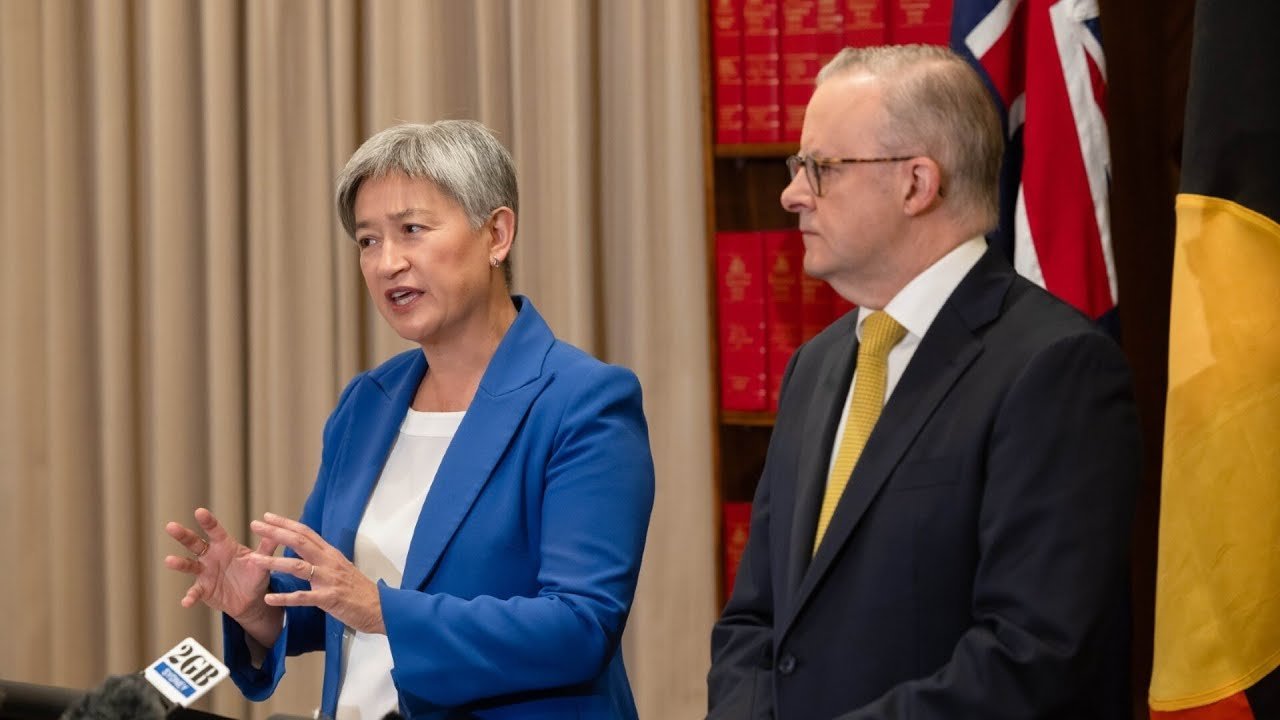
She emphasised the need for strengthened cooperation on issues such as China, Southeast Asia, Pacific Island countries, and responses to North Korea’s nuclear missiles.
At the heart of the discussions was the Quad, a four-way dialogue between Australia, India, Japan, and the US aimed at countering Chinese economic coercion in the region.




Ms Takaichi and Mr Albanese agreed to further strengthen frameworks like the Quad, as well as deepen their bilateral relationship, describing it as “quasi-allies”. The leaders signed a raft of statements pledging deeper cooperation across defence, energy security, and trade.
Energy security was a key focus of the talks, with both nations pledging to support the flow of essential goods, including fuel and gas, between Australia and Japan.
The move is crucial for Australia, which imports almost 8 per cent of its diesel from Japan, and for Japan, which relies on Australia for up to 40 per cent of its gas imports.
Mr Albanese hailed the agreement, saying it was fitting that the two nations were reaffirming the strength of their special strategic partnership during a time of global instability.
“Our partnership helps us secure the energy we both need, underpins the trade and investment that leads to more jobs and helps keep us safe in a more uncertain world,” he said.
Analysis: What This Means for Australia
The strengthening of ties between Japan and Australia is a significant development in the Indo-Pacific region, where China’s rising influence has sparked concerns about national security.
The agreement marks a clear commitment from both nations to counter Beijing’s economic coercion and ensure the stability of the region.
Security analysts say the move is a clear indication of Australia’s desire to assert its presence in the region and counterbalance China’s growing power.
“Australia is sending a strong message that it will not be intimidated by China’s aggression and will work closely with like-minded nations to ensure regional stability,” one analyst said.
Law enforcement insiders warn that the agreement will also have implications for Australia’s domestic security, particularly in the areas of counter-terrorism and cybersecurity.
“The partnership will enable greater cooperation between Australian and Japanese law enforcement agencies, allowing for more effective intelligence sharing and counter-terrorism efforts,” an insider said.
Industry observers believe the deal will have significant economic benefits for both nations, particularly in the areas of trade and energy security. “The agreement will provide a significant boost to Australia’s energy exports, while also ensuring the stability of Japan’s energy supplies,” an observer said.
The deepening of ties between Japan and Australia is a clear indication of the shifting dynamics in the Indo-Pacific region. As tensions continue to simmer, one thing is clear: Australia is committed to playing a key role in maintaining regional stability and security.