ISIS Brides and Children Fleeing Syria to Return to Australia: Experts Warn of National Security Risks and Community Fallout
- A group of four women and nine children, linked to the terrorist organisation ISIS, are set to return to Australia after fleeing a Syrian detention camp.
- Home Affairs Minister Tony Burke confirms the government will not provide assistance to the group, who made the “horrific choice” to join a terrorist organisation.
- Australian Federal Police Commissioner Krissy Barrett warns that some returnees will face arrest and charges upon arrival, with evidence gathered since 2014 linking them to potential terrorism offences.
- Experts raise concerns about the national security implications and potential community impact of the group’s return, amid mounting international pressure to accept them.
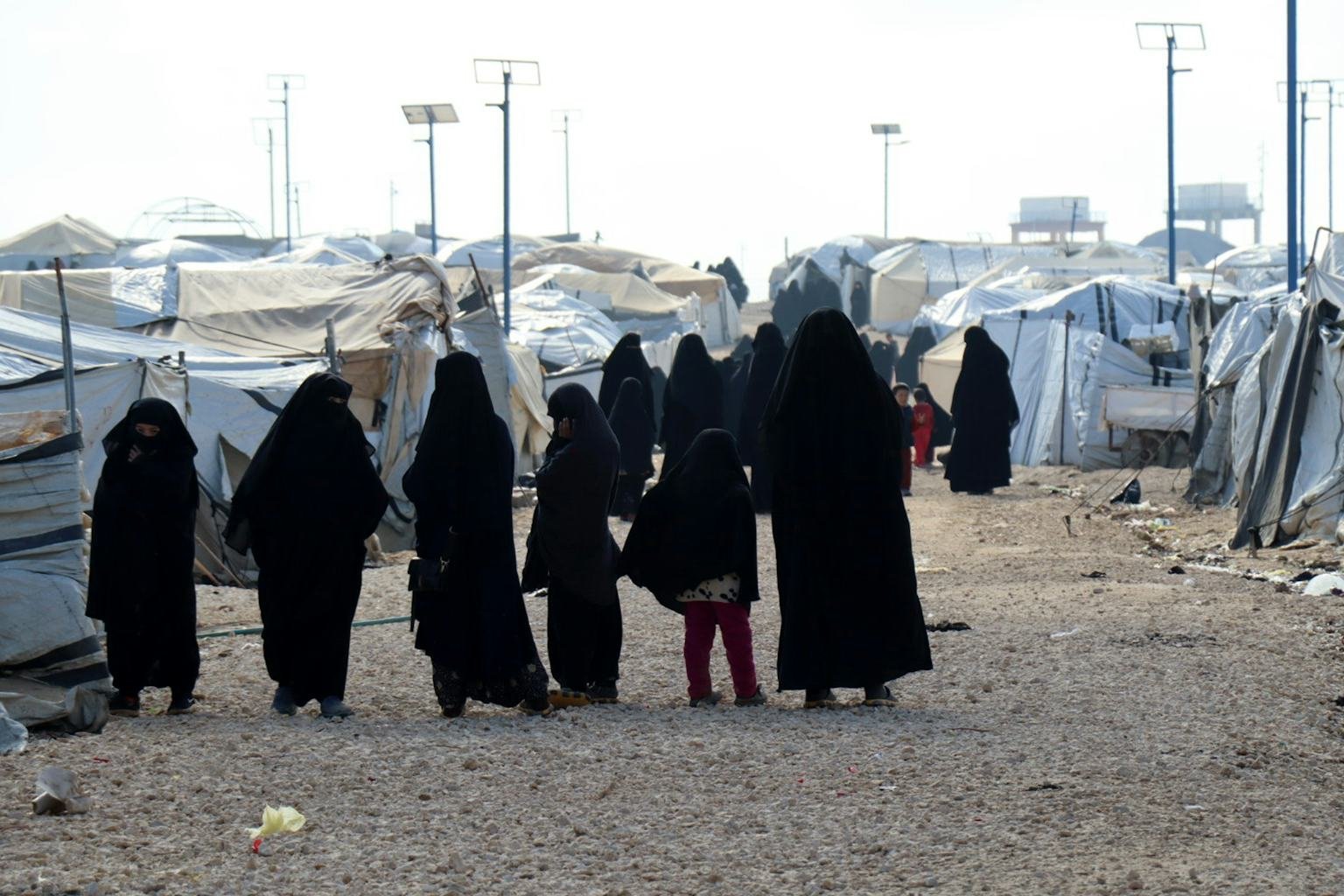
The Australian government has confirmed that a group of four women and nine children, who travelled to Syria to join the terrorist organisation ISIS, are set to return to Australia.
The group, consisting of Australian citizens, has been detained in a Syrian camp and is now seeking to flee the war-torn country.
Home Affairs Minister Tony Burke has been clear in his stance, stating that the government will not provide any assistance to the group.
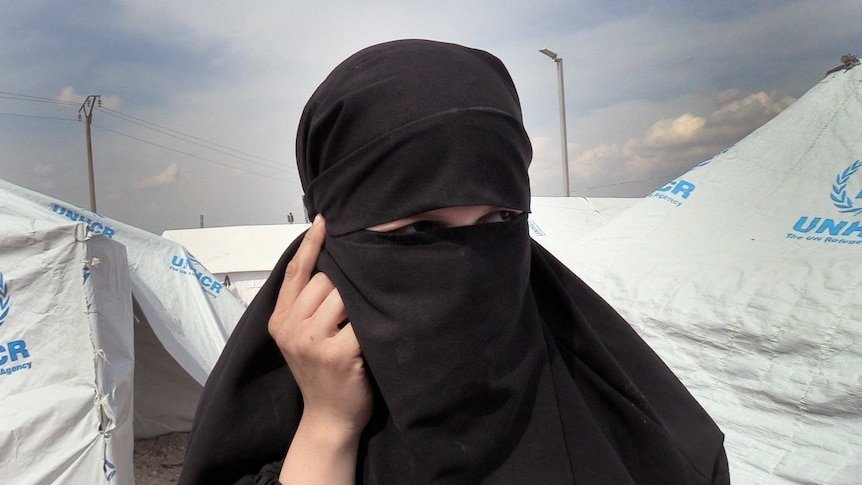
“These are people who have made the horrific choice to join a dangerous terrorist organisation and to place their children in an unspeakable situation,” he said.
Prime Minister Anthony Albanese has also warned that any returnees who have committed crimes can expect to face the full force of the law.



The Australian Federal Police (AFP) has been collecting information on the group since 2014, gathering evidence relating to potential offences, including terrorism offences such as entering or remaining in declared areas, and crimes against humanity.
Commissioner Krissy Barrett has confirmed that some returnees will face arrest and charges upon arrival.
But why are these women and children returning to Australia now? The answer lies in the complex and sensitive geopolitics of the region.
International pressure has been mounting on Australia to accept the group, with the United States pushing for detainees to be cleared from the camp.
Meanwhile, Syrian authorities have claimed that the group had been blocked from boarding flights because Australia refused to receive them, although the government insists it is not involved in any repatriation efforts.
So, what does this mean for Australia? The return of these individuals raises significant national security concerns.
Security analysts say that the group’s links to ISIS pose a risk to community safety and could potentially inspire extremist ideologies.
“The fact that these individuals have been involved with a terrorist organisation and have been detained in a camp in Syria raises serious concerns about their potential to radicalise others,” said one expert.
Law enforcement insiders warn that the group’s return will also put a strain on resources, as authorities work to monitor and manage potential security risks.
“The AFP and other agencies will need to be vigilant in their efforts to track and monitor these individuals, to ensure that they do not pose a threat to the community,” said another expert.
Industry observers believe that the government’s decision not to provide assistance to the group is a necessary step to protect national security. “The government’s stance sends a clear message that Australia will not tolerate or support those who have engaged in terrorist activities,” said one commentator.
As the group prepares to return to Australia, the community is left to wonder about the implications of their arrival. Will they be able to reintegrate into society, or will their past actions forever define them?
Only time will tell.
Analysis: What This Means for Australia
The return of these ISIS brides and children raises significant concerns about national security and community safety.
The fact that they have been involved with a terrorist organisation and have been detained in a camp in Syria poses a risk to community safety and could potentially inspire extremist ideologies.
The government’s decision not to provide assistance to the group is a necessary step to protect national security. However, it also raises questions about the potential for rehabilitation and reintegration.
As the group prepares to return to Australia, the community will be watching closely to see how the government manages this sensitive situation.