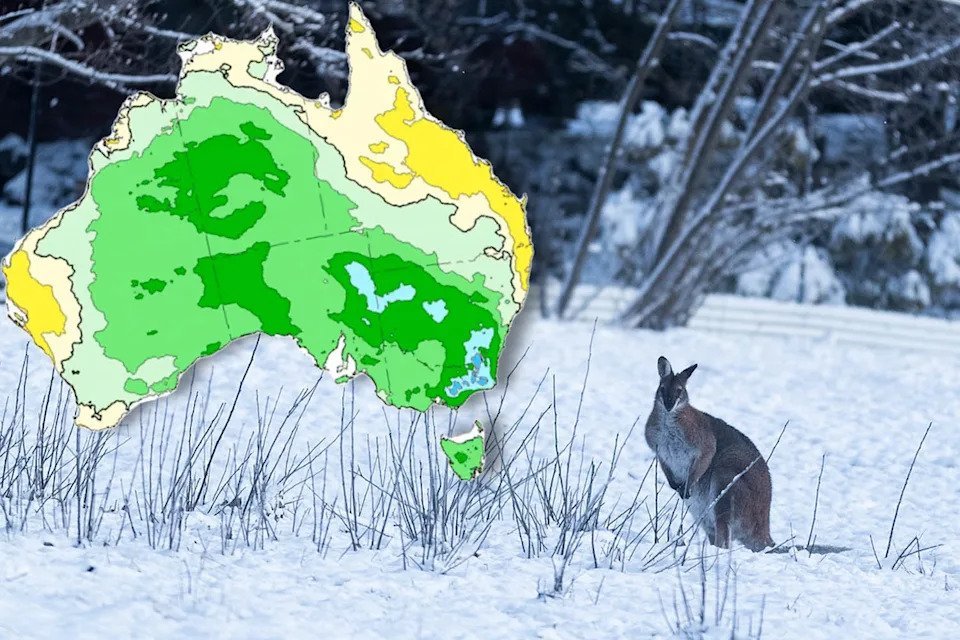
Chaos as Australia Shivers Through Coldest Day of the Year: Snow Falls, Winds Howl and Temperatures Plummet to Record Lows
- Millions of Australians woke up to the coldest day of the year, with temperatures plummeting to record lows in the eastern states.
- Snowfalls of up to 5cm were recorded in alpine regions, with warnings of blizzards and damaging winds issued for parts of NSW and Victoria.
- Strong winds of up to 100km/h battered the southern east coast, causing chaos and disruption.
- The cold snap brought the first real taste of winter to Australia, with forecasters warning of more frosty mornings to come.
The cold front that swept across the eastern states overnight on Thursday brought with it a blast of icy air that left many Australians shivering. Sydneysiders woke up to a chilly 9.9C, while those in the Blue Mountains were greeted with a freezing 1C in Katoomba.
The mercury plummeted to 1.3C in Orange and 2.1C in Bathurst, making for a bitterly cold start to the day.
In the alpine ski resorts, the cold snap brought welcome snowfalls, with Perisher recording 5cm of fresh powder. However, the conditions were not without danger, with warnings of blizzards and damaging winds issued for the region.
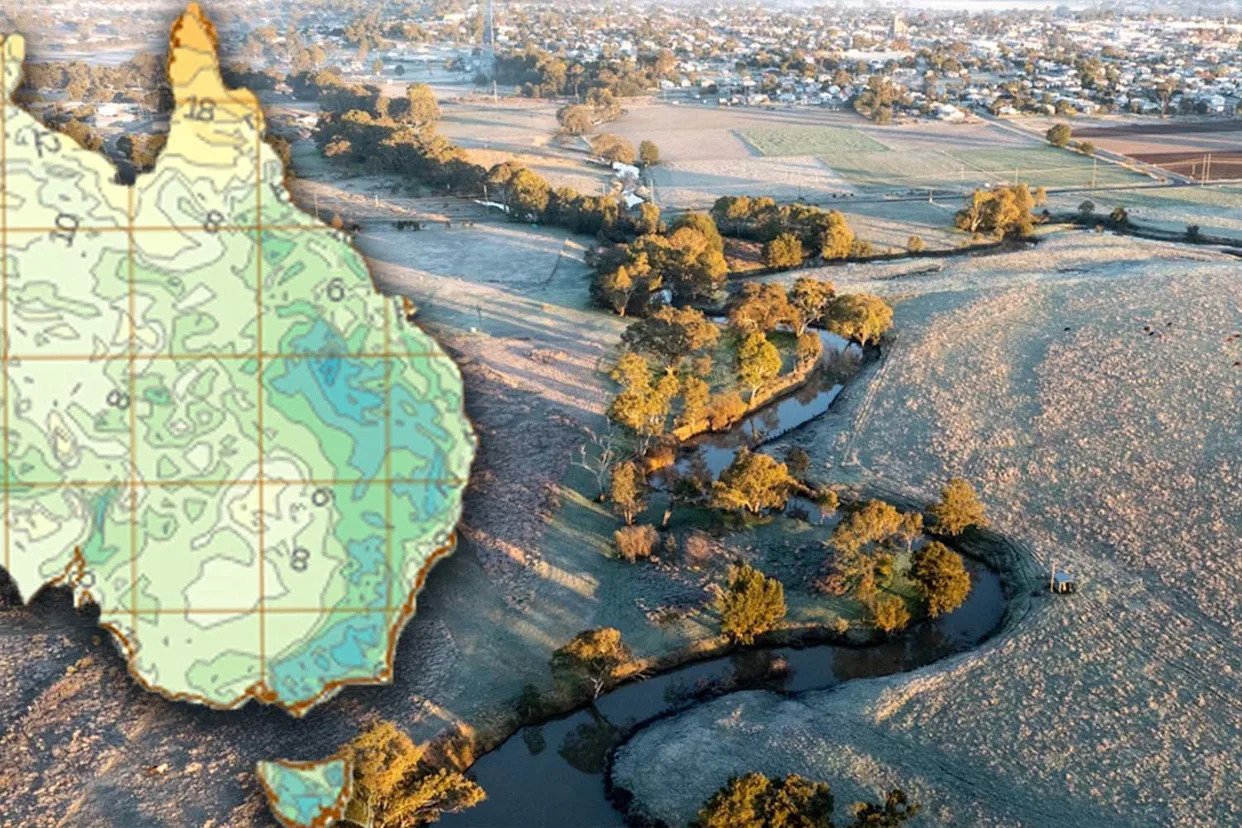
Wind gusts of up to 100km/h were recorded in elevated parts of Tasmania, eastern Victoria, and southern NSW.
According to Bureau of Meteorology senior forecaster Angus Hines, the cold front was the first real taste of winter for this season. “A big cold front which moved across the southeast on Wednesday night into Thursday morning bought some really significant snow,” he said.



Hines also noted that the snow fell at fairly low levels in Victoria, with falls recorded to about 400m above sea level.
The cold snap was not limited to NSW, with Melburnians waking up to a brisk 10C. Even Queensland, known for its sunny weather, felt the chill, with Brisbane residents shivering through a low of 12C.
The Gold Coast dropped to a morning low of 10.9C, while in the west of the state, Applethorpe hit 0C, Warwick 0.3C, and Wellcamp 1C.
Hines warned that the cold weather is set to continue, with more frosty mornings expected in the coming weeks and months. However, he also offered some respite, saying that the cold snap would not last long.
“The good news with this one, and I guess any cold snap that happens during May, is it doesn’t last that long.
So, it was a cold night last night, absolutely, and a pretty chilly day today with another cold night tonight, but daytime temperatures will start to return to something pretty average tomorrow.”
Analysis: What This Means for Australia
The cold snap is a timely reminder of the unpredictable nature of Australia’s climate. While the country is often associated with sun-kissed beaches and warm weather, the reality is that it is not immune to extreme weather events.
The cold front that swept across the eastern states is a stark reminder of the need for Australians to be prepared for all types of weather conditions.
Security analysts say that the cold snap highlights the importance of having a robust emergency response plan in place. “Extreme weather events like this can have a significant impact on communities, particularly those in rural and regional areas,” said one analyst.
“It’s essential that Australians are prepared for all types of weather conditions and have a plan in place in case of an emergency.”
Law enforcement insiders warn that the cold snap could also have an impact on crime rates, with the cold weather potentially leading to an increase in burglaries and other property-related crimes.
“When it’s cold outside, people are more likely to stay indoors, which can make them more vulnerable to crime,” said one insider. “It’s essential that Australians take steps to secure their homes and property during the cold weather.”
Industry observers believe that the cold snap could also have an impact on the economy, particularly in the tourism and agriculture sectors. “The cold weather could deter tourists from visiting certain parts of the country, which could have a significant impact on local businesses,” said one observer.
“Additionally, the cold snap could also affect crop yields and livestock, leading to economic losses for farmers and agricultural producers.”