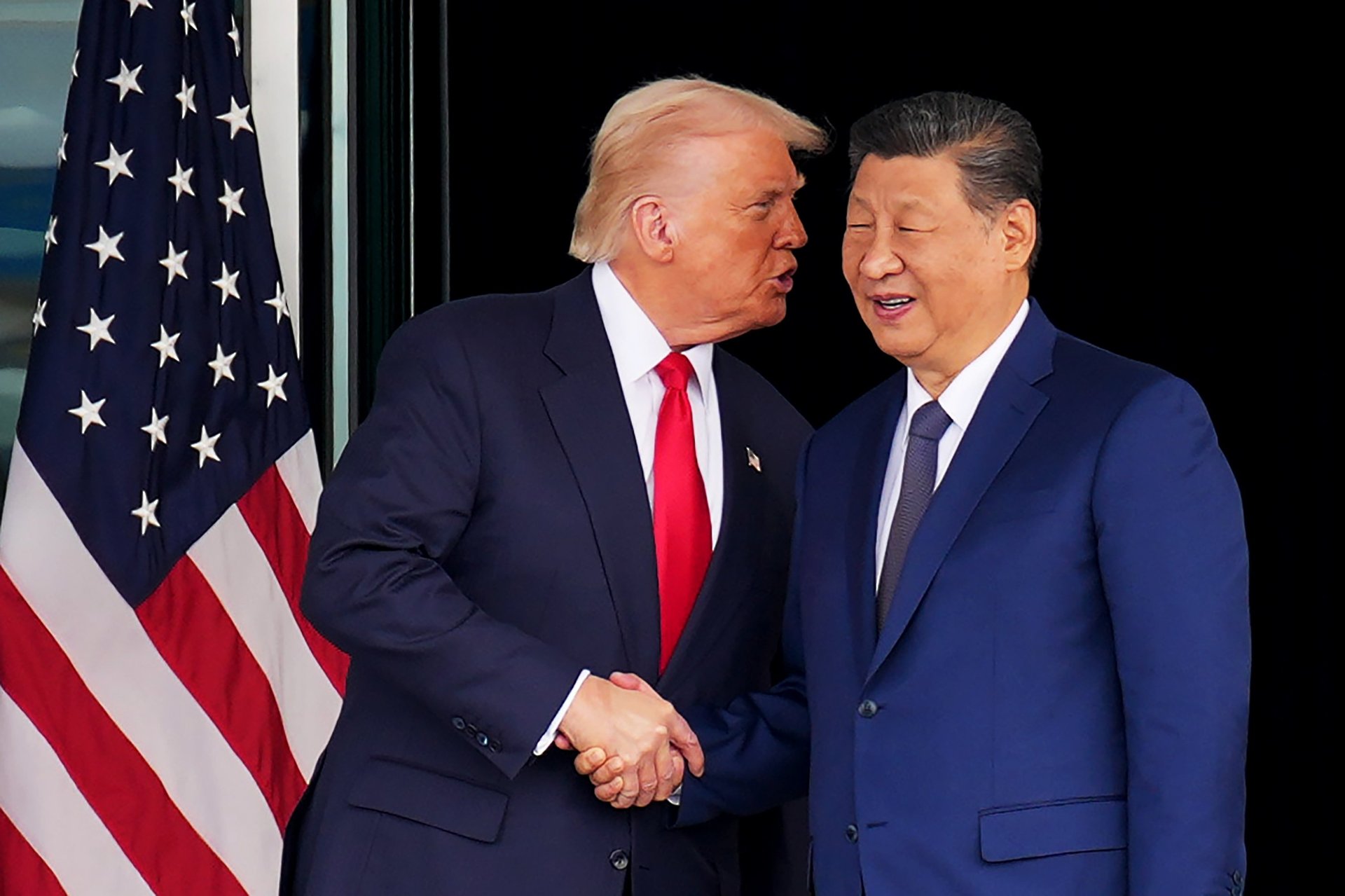
Trump’s High-Stakes China Mission: Can the US and China Broker a Middle East Peace Deal to Save the Global Economy?
- US President Donald Trump arrives in Beijing for a crucial meeting with Chinese President Xi Jinping amid escalating global tensions over trade and oil security.
- The summit comes as the Strait of Hormuz remains at a near-standstill, rattling global energy markets and fuelling fears of worsening inflation and economic instability worldwide.
- China is uniquely positioned to try to ease tensions in the Middle East, having recently hosted Iran’s foreign minister and preparing to welcome Vladimir Putin shortly after Trump’s visit.
- A successful deal could have significant implications for Australia, which is heavily reliant on global trade and economic stability.
As the world teeters on the brink of economic chaos, US President Donald Trump has arrived in Beijing for a high-stakes meeting with Chinese President Xi Jinping.
The summit comes at a critical juncture, with the Strait of Hormuz remaining at a near-standstill and global energy markets in disarray. The consequences of failure are dire, with fears of worsening inflation and economic instability worldwide.
But China is uniquely positioned to try to ease tensions in the Middle East, having recently hosted Iran’s foreign minister and preparing to welcome Vladimir Putin shortly after Trump’s visit.
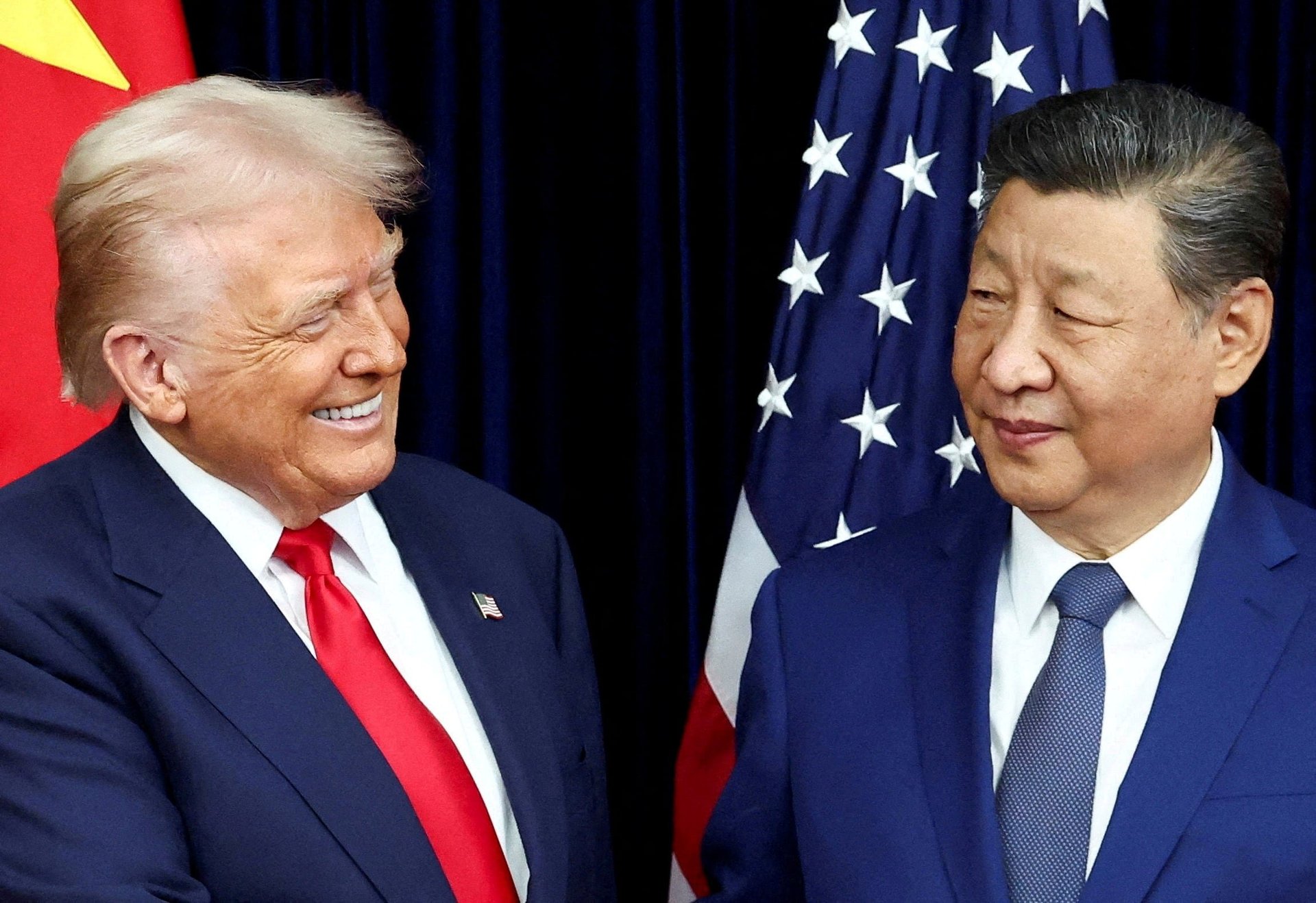
According to Kerry Brown, Professor of Chinese Studies and Director of the Lao China Institute, China’s “unique convening power” gives it a critical role to play in brokering a peace deal.
“I think that China will probably want to impress on the United States the common interest they have in a global economy that kind of works, even if it might not work in the way everyone wants,” Brown said.



China’s motivations are clear.
The country sources an estimated 13 to 14 per cent of its oil imports from Iran, and the disruption to global energy markets is unsustainable in the long term.
“It wants to resolve this,” Brown explained.
A successful deal would not only ease tensions in the Middle East but also have significant implications for Australia, which is heavily reliant on global trade and economic stability.
Analysis: What This Means for Australia
Australia’s economic stability is deeply intertwined with the global economy, and a failure to resolve the current crisis could have devastating consequences. A successful deal, on the other hand, would provide a much-needed boost to global trade and economic stability, with significant benefits for Australia.
“Security analysts say that a peaceful resolution to the conflict would be a major win for Australia, which is heavily reliant on global trade and economic stability,” said one expert.
“It would also send a strong message to other nations that diplomacy and cooperation can be effective in resolving conflicts.”
But the road to a successful deal will be fraught with challenges.
Trump’s reputation as a tough negotiator will be put to the test, and China’s willingness to make concessions on tariffs and market access will be critical.
“Law enforcement insiders warn that the stakes are high, and the consequences of failure could be severe,” said one insider. “But if Trump and Xi can broker a deal, it could be a major breakthrough for global peace and stability.”
As the world watches with bated breath, one thing is clear: the meeting between Trump and Xi is a critical moment in the history of global diplomacy.
The consequences of failure are dire, but the potential rewards of success are immense. Will Trump and Xi be able to broker a peace deal and save the global economy?
Only time will tell.