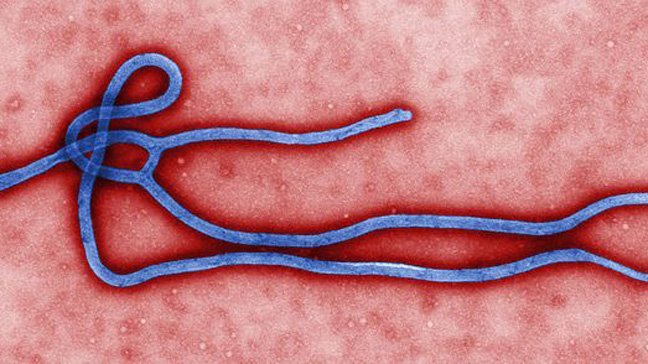
Deadly Ebola Outbreak Spreads Across Eastern Congo: 87 Dead, Hundreds Infected, and a Desperate Race to Contain the Virus
- At least 87 people have died in Congo’s latest Ebola outbreak, with hundreds more infected across three health zones.
- The World Health Organization has declared the outbreak a public health emergency, but warns it does not yet meet epidemic criteria.
- Africa’s second-largest country is struggling to contain the virus due to insecurity, logistical challenges, and a lack of vaccine or specific treatment for the deadly Bundibugyo strain.
- Neighboring countries, including Uganda and Kenya, are on high alert, with Kenya forming an Ebola preparedness team and strengthening surveillance at all points of entry.
The latest Ebola outbreak in eastern Congo has reached catastrophic proportions, with at least 87 deaths reported and hundreds more infected across three health zones. The World Health Organization (WHO) has declared the outbreak a public health emergency, but warns it does not yet meet epidemic criteria.
Despite the gravity of the situation, Congo’s government and health officials are racing against time to contain the virus, which has already spread to the densely populated areas of Mongwalu, Rwampara, and Bunia.
The outbreak was first announced on Friday, with 65 deaths and 246 suspected cases reported. However, the numbers have since skyrocketed, with 336 suspected and 13 confirmed cases reported by Saturday.
Four people have died among the confirmed cases, and a high number of active cases remain within the local community, particularly in Mongwalu.
The WHO has expressed concern about the rapid spread of the virus, which is highly contagious and can be contracted through bodily fluids such as vomit, blood, or semen.




The Bundibugyo strain, a variant of the disease that has been less prominent in previous outbreaks, has no vaccine or specific treatment, making it a particularly deadly and challenging virus to contain.
Congo’s Health Minister, Samuel-Roger Kamba, has confirmed that test results have identified the Bundibugyo virus, which has a high fatality rate. The suspected index case is a nurse who died at a hospital in Bunia, with symptoms suggestive of Ebola, on April 24.
Analysis: What This Means for Australia
The Ebola outbreak in Congo has significant implications for Australia’s national security and public health. As a global leader in infectious disease management, Australia has a critical role to play in supporting international efforts to contain the virus.
The outbreak also highlights the importance of ongoing investment in global health security and the need for Australia to maintain its strong partnerships with regional and international organizations, such as the WHO.
The outbreak also raises concerns about the risk of importation of the virus to Australia, particularly through regional travel.
While the risk is considered low, the Australian government must remain vigilant and ensure that all necessary measures are in place to prevent the spread of the virus.
This includes strengthening surveillance at all points of entry, particularly for travelers arriving from affected areas.
Security analysts say that the outbreak in Congo is a stark reminder of the ongoing threat posed by infectious diseases in a rapidly changing global environment.
The outbreak also highlights the critical need for ongoing investment in global health security and the importance of international cooperation in responding to public health emergencies.
Law enforcement insiders warn that the outbreak has significant implications for regional stability and security, particularly in areas affected by conflict and insecurity. The outbreak has already been exacerbated by the presence of Islamic State-backed militants in Ituri, which has restricted surveillance and rapid response operations.
Industry observers believe that the outbreak will have significant economic and social consequences for Congo and the broader region. The outbreak is likely to disrupt trade and commerce, particularly in the affected areas, and will place a significant burden on local healthcare systems.