
PM’s Femicide Fiasco: Albanese Slammed for Dismissive Response to Calls for Royal Commission into Australia’s Deadly Domestic Violence Crisis
- Anthony Albanese grilled on radio over response to growing public support for a national inquiry into femicide
- Domestic violence advocate Christie Hayes accuses PM of “mansplaining” violence against women after tense interview
- Social Services Minister Tanya Plibersek defends Albanese, says he “cares about” domestic violence but concedes devastating impact not fully understood
- Experts warn that Australia’s domestic violence crisis requires immediate action, not just words, to prevent further tragedies
The shocking deaths of four women in just four days have reignited calls for a royal commission into femicide in Australia, but Prime Minister Anthony Albanese’s response has sparked outrage among advocates and victims’ families.
In a tense radio interview, Albanese was grilled by domestic violence advocate Christie Hayes over his dismissive attitude towards a national inquiry, leaving many questioning whether the government is taking the crisis seriously enough.
Hayes, who has experienced the devastating impact of domestic violence firsthand, pressed Albanese on the need for a royal commission, citing the escalating crisis and the public’s growing demand for action.
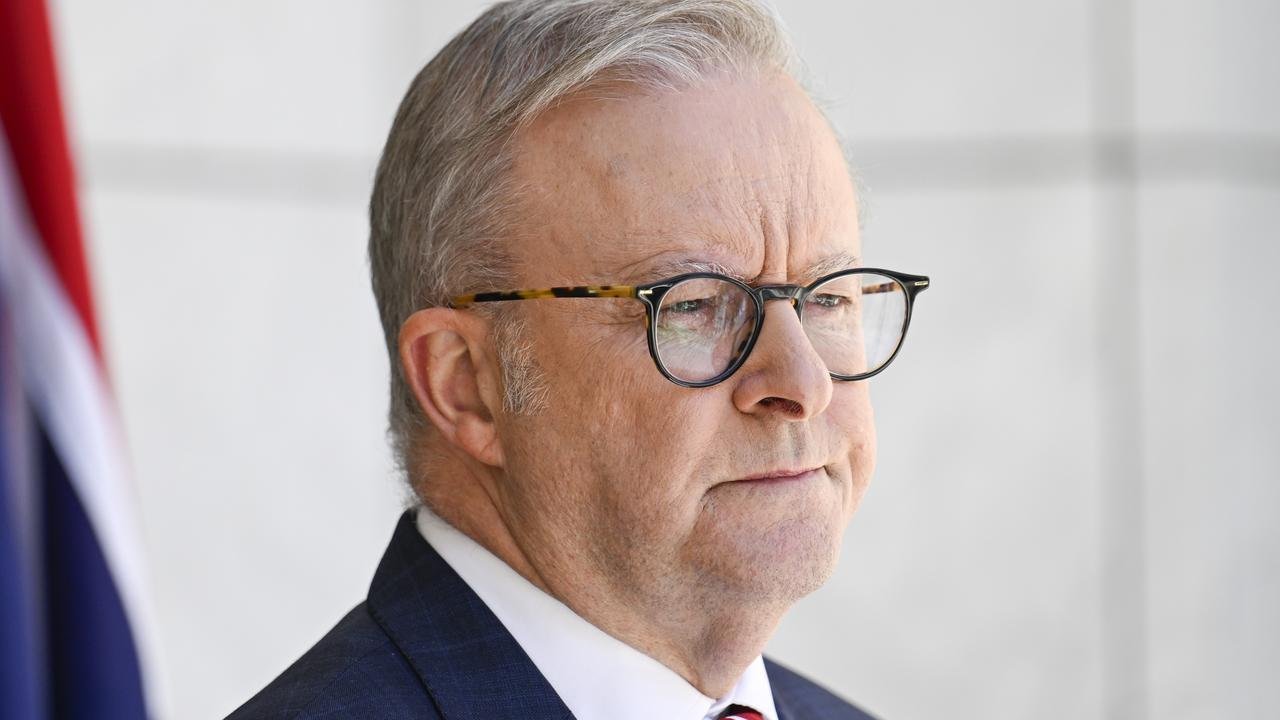
But Albanese’s response was met with anger and frustration, as he appeared to downplay the significance of a royal commission, suggesting that it would only serve to “fund lawyers.” His comments sparked a backlash, with Hayes accusing him of “mansplaining” violence against women and displaying a lack of understanding of the issue.
But Social Services Minister Tanya Plibersek has come to Albanese’s defense, insisting that he “cares about” domestic violence and is committed to taking action.
Plibersek, whose portfolio includes family, domestic, and sexual violence, revealed that Albanese had been exposed to domestic violence as a child and had spoken publicly about the toll it took on his family.
While she conceded that the devastating impact of violence against women and children was not being fully understood by the wider public, she emphasized the need for a collaborative approach to tackling the issue.
Experts agree that Australia’s domestic violence crisis requires immediate action, not just words, to prevent further tragedies.
The statistics are stark: according to the Australian Bureau of Statistics Australian Bureau of Statistics, one in three women have experienced physical or sexual violence by a current or former partner since the age of 15.
The economic cost of domestic violence is estimated to be around $12 billion annually, while the human cost is immeasurable.
Analysis: What This Means for Australia
The femicide crisis in Australia is a stark reminder of the need for a comprehensive and coordinated approach to tackling domestic violence.
The government’s response to date has been criticized for being inadequate, with many advocates and experts calling for a royal commission to investigate the root causes of the crisis and identify solutions.
While Albanese’s comments may have been intended to convey a sense of urgency and action, they have ultimately served to reinforce the perception that the government is not taking the issue seriously enough.
Security analysts say that the government’s failure to address the root causes of domestic violence is not only a moral failing but also a national security issue.
The impact of domestic violence on families and communities can have long-lasting and far-reaching consequences, from mental health issues to economic instability.
Law enforcement insiders warn that the crisis is also putting a strain on police resources, with many officers struggling to cope with the sheer volume of domestic violence cases.
Industry observers believe that the government’s approach to tackling domestic violence must be more nuanced and multifaceted.
This includes providing greater support for victims and their families, increasing funding for prevention programs, and implementing policies that address the root causes of the crisis.
Ultimately, tackling domestic violence will require a whole-of-community approach, with governments, schools, sporting clubs, and individuals working together to promote a culture of respect and zero tolerance for violence.
As the debate over a royal commission into femicide continues, one thing is clear: Australia cannot afford to wait any longer to take action. The lives of women and children depend on it.