
Weather Radar Revival: Tennant Creek to Finally Get New Forecasting Equipment After 11-Year Wait
- The Northern Territory town of Tennant Creek will finally get a new weather radar in 2027, after an 11-year wait that left locals vulnerable to severe weather events.
- The new radar will be a high-power S-band dual-polarised Doppler radar, providing essential weather forecasting services for the town and surrounding communities.
- The project has been plagued by delays, including a botched site selection process and COVID-19 travel restrictions, but is now expected to be operational by mid-2027.
- Locals, including cattle stations and Aboriginal communities, have been calling for the radar’s replacement since it was shut down in 2015, citing the need for accurate weather forecasts to manage natural disasters.
The town of Tennant Creek, nestled in the heart of the Northern Territory, has been without a weather radar for over a decade.
But after years of waiting, the Bureau of Meteorology (BOM) has finally announced plans to install a new, state-of-the-art radar at the local airport.
The move is a significant victory for locals, who have been vocal about the need for accurate weather forecasts to manage natural disasters and protect their livelihoods.
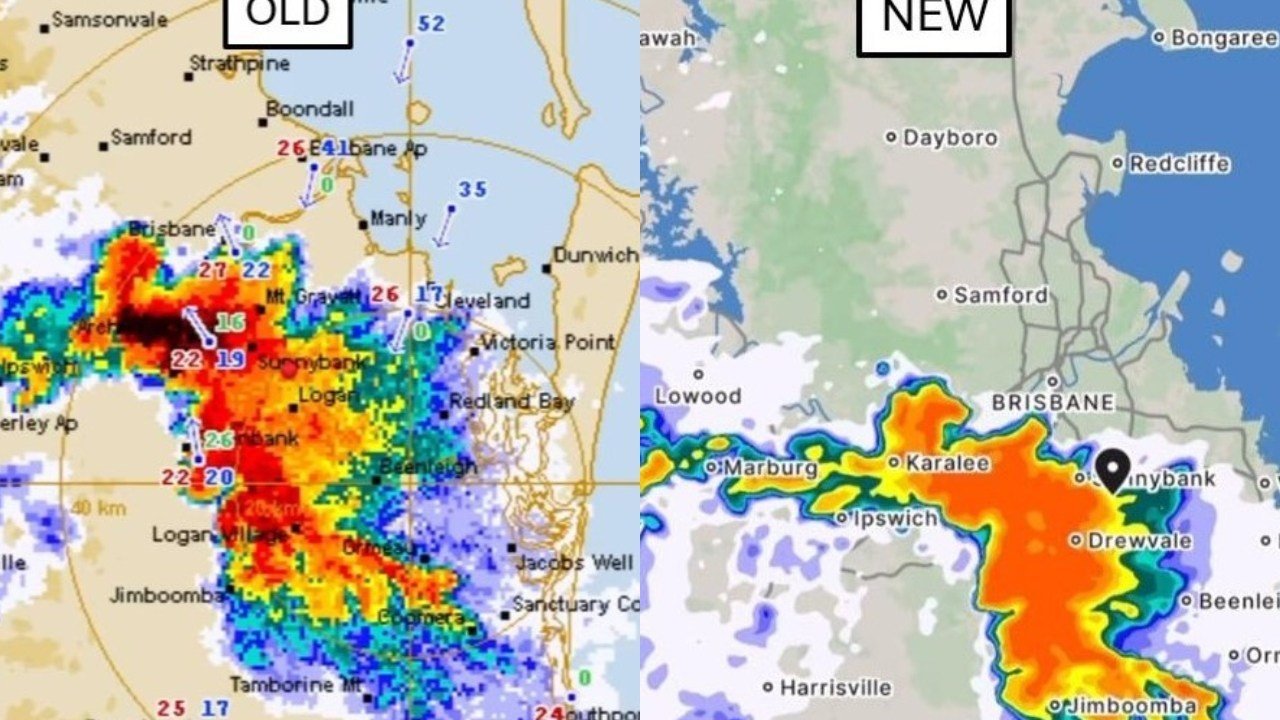
The original Tennant Creek radar was shut down in 2015, leaving the town and surrounding communities without access to critical weather information. Since then, locals have been forced to rely on forecasts from distant weather stations, often with limited accuracy.
The lack of a local radar has been particularly devastating for cattle stations and Aboriginal communities, who rely on accurate weather forecasts to manage their land and resources.
But the journey to this point has been long and arduous. The BOM initially promised to deliver a new radar in 2019, with a slated completion date of 2022.
However, the project was plagued by delays, including a botched site selection process and COVID-19 travel restrictions.
The BOM ultimately chose the airport location due to technological improvements and the lack of pre-existing infrastructure at the original preferred site, One Tank Hill.
Despite the setbacks, the new radar is expected to be a significant improvement on its predecessor. The high-power S-band dual-polarised Doppler radar will provide accurate forecasts for up to 300 kilometres, a significant upgrade on the original equipment.
The radar will also be able to measure wind and rain, providing critical information for locals to prepare for severe weather events.
For locals, the announcement is a welcome relief. Amber Driver, who runs a large-scale cattle operation at Elkedra Station, said she was thrilled to hear the news, but frustrated by the delay.
“I feel like we have wasted so much time,” she said. “We’ve had significant natural disasters, including the Barkly fires and flooding events.
Installing the radar by the middle of next year doesn’t pass the pub test – we need it sooner.”
Analysis: What This Means for Australia
The installation of a new weather radar in Tennant Creek is a critical step forward for the region’s communities. The lack of accurate weather forecasts has left locals vulnerable to severe weather events, with devastating consequences.
The new radar will provide essential information for cattle stations and Aboriginal communities to manage their land and resources, helping to mitigate the impact of natural disasters.
But the project also highlights the need for greater investment in rural infrastructure.
The 11-year wait for a new radar is a stark reminder of the challenges faced by regional communities, who often lack access to critical services and infrastructure.
The Australian government must prioritise investment in rural areas, ensuring that communities like Tennant Creek have access to the resources they need to thrive.
Security analysts say the new radar will also play a critical role in supporting national security efforts. Accurate weather forecasts are essential for emergency responders and defence personnel, who rely on critical information to respond to natural disasters and other emergencies.
The installation of the new radar will help to strengthen Australia’s national security capabilities, supporting the country’s ability to respond to emerging threats.
Industry observers believe the project will also have significant economic benefits for the region.
The new radar will support the growth of local industries, including agriculture and tourism, by providing critical information for businesses to plan and prepare for severe weather events.
The project will also create jobs and stimulate local economic activity, helping to drive growth and development in the region.