
Australia Faces Tariff Blow as US Targets ‘Slave Labour’ Countries – But Is It Really About Protecting Workers or Just Another Trump Power Play?
- The US is proposing a new tariff on dozens of countries, including Australia, over allegations of slave labour and forced labour.
- The move comes after the US Supreme Court struck down Trump’s earlier tariffs, but experts say it’s just a new tactic to reimpose tariffs and exert power over other countries.
- Australia faces a tariff increase from 10% to 12.5%, potentially losing its competitive advantage over other countries that had higher tariffs.
- Trade lawyers warn that this could be just the beginning, with more tariffs on the horizon as the Trump administration seeks to rebuild its tariff wall.
The US government’s proposal to slap a new tariff on Australia and dozens of other countries over allegations of slave labour and forced labour should come as no surprise.
After the US Supreme Court struck down Donald Trump’s earlier tariffs, the administration made it clear that it would find new ways to impose tariffs and exert power over other countries.
And that’s exactly what it’s doing.
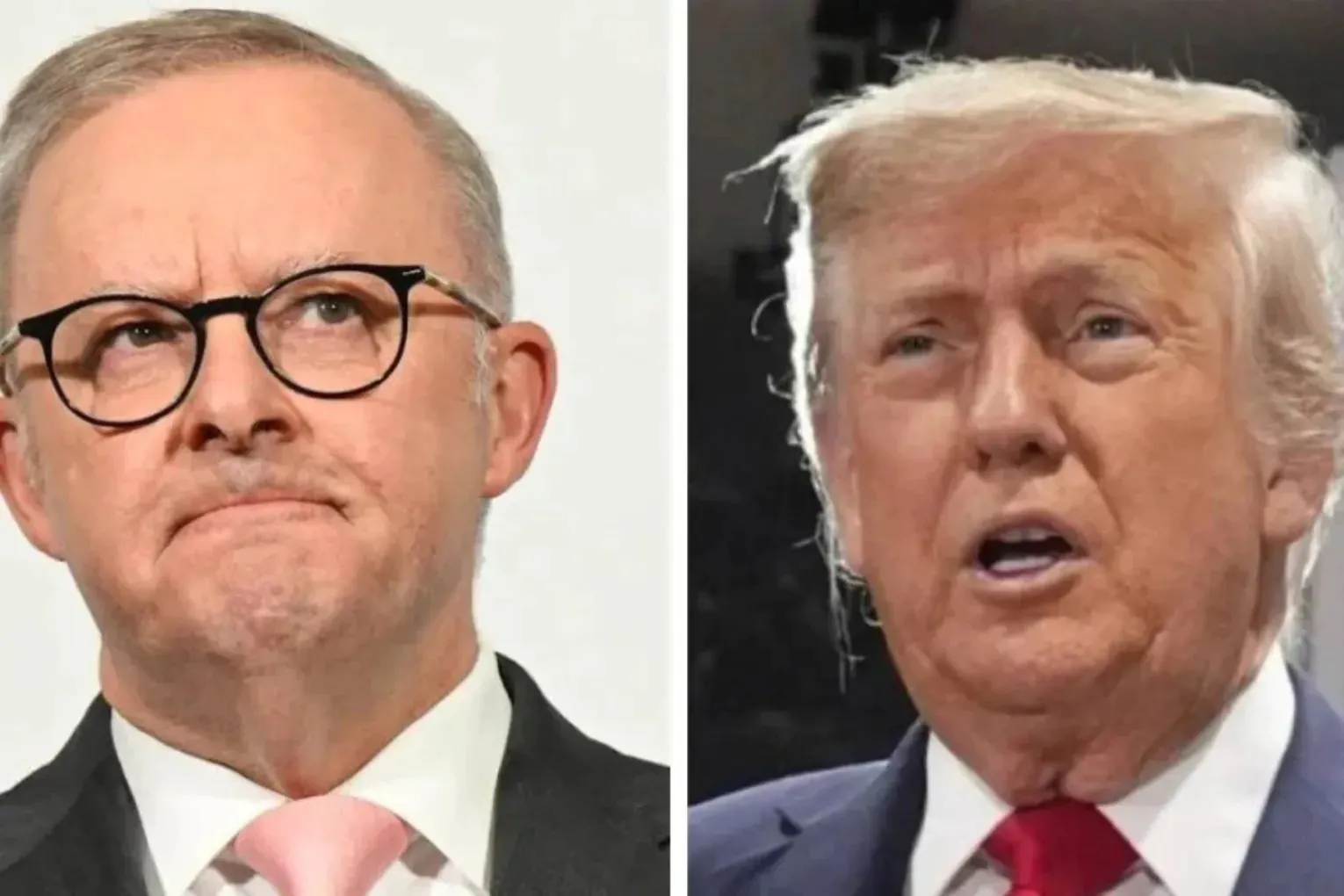
The trade investigation that led to the proposed tariff was launched soon after the Supreme Court ruling, and it’s clear that the Trump administration is using it as a way to justify new tariffs.
The investigation found that Australia, along with every other country investigated, had failed to take adequate action to prevent forced labour and modern slavery. But experts say that this is just a pretext for the real goal: to reimpose tariffs and maintain the administration’s leverage over other countries.
Trump has a long history of using tariffs as a tool of diplomacy, and this latest move is just the latest example.
He’s been explicit about his plans to use tariffs to punish countries that don’t comply with his demands, and it’s clear that he’s not going to let a little thing like a Supreme Court ruling get in his way.
So what does this mean for Australia?
The proposed tariff increase from 10% to 12.5% could have significant consequences for the country’s economy, particularly in industries that rely heavily on exports to the US.
And with the Trump administration already foreshadowing future investigations into areas like pharmaceutical pricing practices and “discrimination” against American tech companies, it’s clear that this is just the beginning of a long and complex game of trade negotiations.
Analysis: What This Means for Australia
The proposed tariff increase is just the latest example of the Trump administration’s aggressive approach to trade, and it’s clear that Australia will need to be careful in its response.
With the US market accounting for a significant proportion of Australia’s exports, any disruption to trade could have serious consequences for the economy.
And with the Trump administration already making it clear that it’s willing to use tariffs as a tool of diplomacy, it’s likely that we’ll see more of this kind of maneuvering in the future.
Security analysts say that the use of tariffs as a tool of diplomacy is a worrying trend, as it can create uncertainty and instability in global trade relationships.
“The use of tariffs as a tool of diplomacy is a sign of a more aggressive approach to trade, and it’s not just about protecting workers or industries,” said one analyst.
“It’s about exerting power and influence over other countries, and that’s a worrying trend for global stability.”
Law enforcement insiders warn that the Trump administration’s approach to trade could also have implications for Australia’s national security.
“The use of tariffs as a tool of diplomacy can create tensions and instability in global relationships, and that can have serious consequences for national security,” said one insider.
“Australia needs to be careful in its response to this proposed tariff, and make sure that it’s not getting drawn into a trade war that could have serious consequences for the country’s economy and security.”
Industry observers believe that the proposed tariff increase could also have significant consequences for Australian businesses, particularly those that rely heavily on exports to the US.
“The proposed tariff increase could have serious consequences for Australian businesses, particularly those that rely on exports to the US,” said one observer. “It’s not just about the immediate impact of the tariff, but also about the uncertainty and instability that it creates in global trade relationships.”
As the situation continues to unfold, one thing is clear: the Trump administration’s approach to trade is going to be a major challenge for Australia in the coming months and years.
With the country’s economy and national security on the line, it’s essential that the government takes a careful and considered approach to responding to this proposed tariff, and makes sure that it’s not getting drawn into a trade war that could have serious consequences for the country.