One Nation Unleashes ‘Coal and Nuclear’ Energy Revolution in Rural Victoria, as Farmers Rebel Against Renewable Projects
- One Nation’s Victorian leader Warren Pickering vows to ‘abolish’ renewable energy zones and reinvest in coal and gas, as the party launches its energy policy in the rural town of Marnoo
- Pauline Hanson sparks controversy by calling for new coal-fired power stations and nuclear reactors, despite declining to reveal funding plans
- Farmers in western Victoria are up in arms over the VNI West transmission project, with many embracing One Nation’s anti-renewable energy stance
- As the state election heats up, the Coalition also pledges to cancel VNI West if elected, leaving Labor facing a tough battle to win over rural voters
In a dramatic escalation of the energy wars, One Nation has unveiled a radical new policy that promises to reboot Victoria’s energy landscape, prioritizing coal and gas over renewables.
The move is a clear attempt to tap into the anger and frustration of rural voters, who feel threatened by the spread of wind farms and transmission lines across the state’s agricultural heartland.
Last night, in the small western Victorian town of Marnoo, One Nation’s Victorian leader Warren Pickering addressed a crowd of 1,000 supporters, vowing to ‘abolish’ renewable energy zones and restore the state’s coal and gas industries to their former glory.
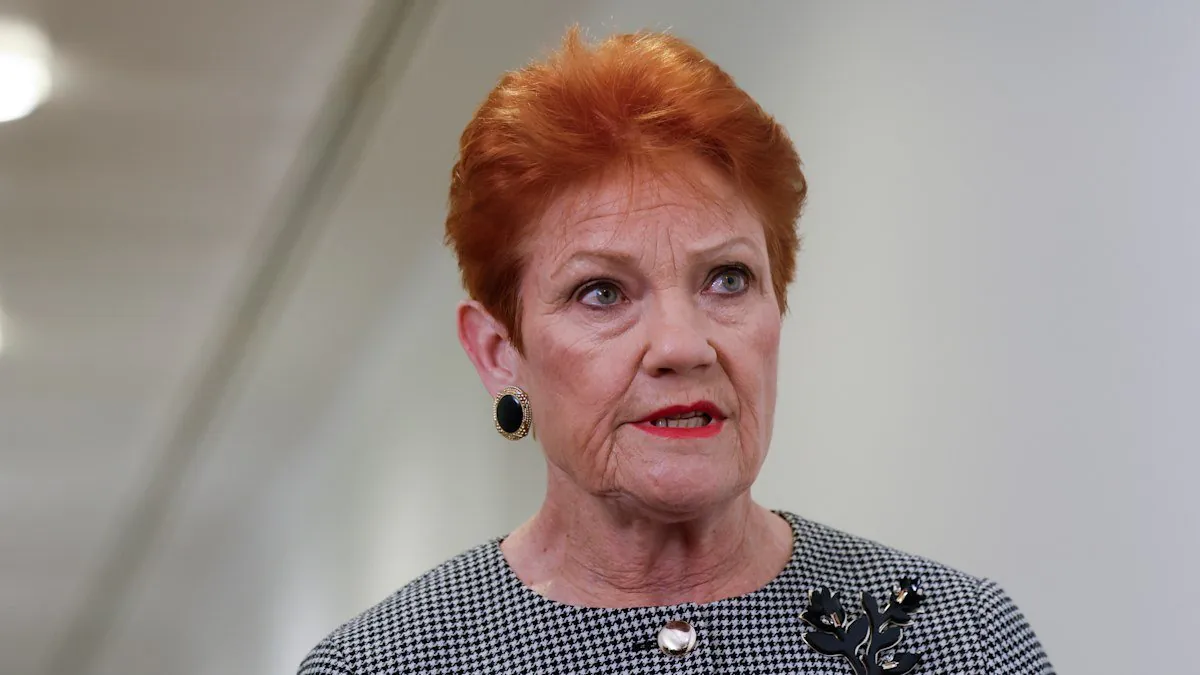
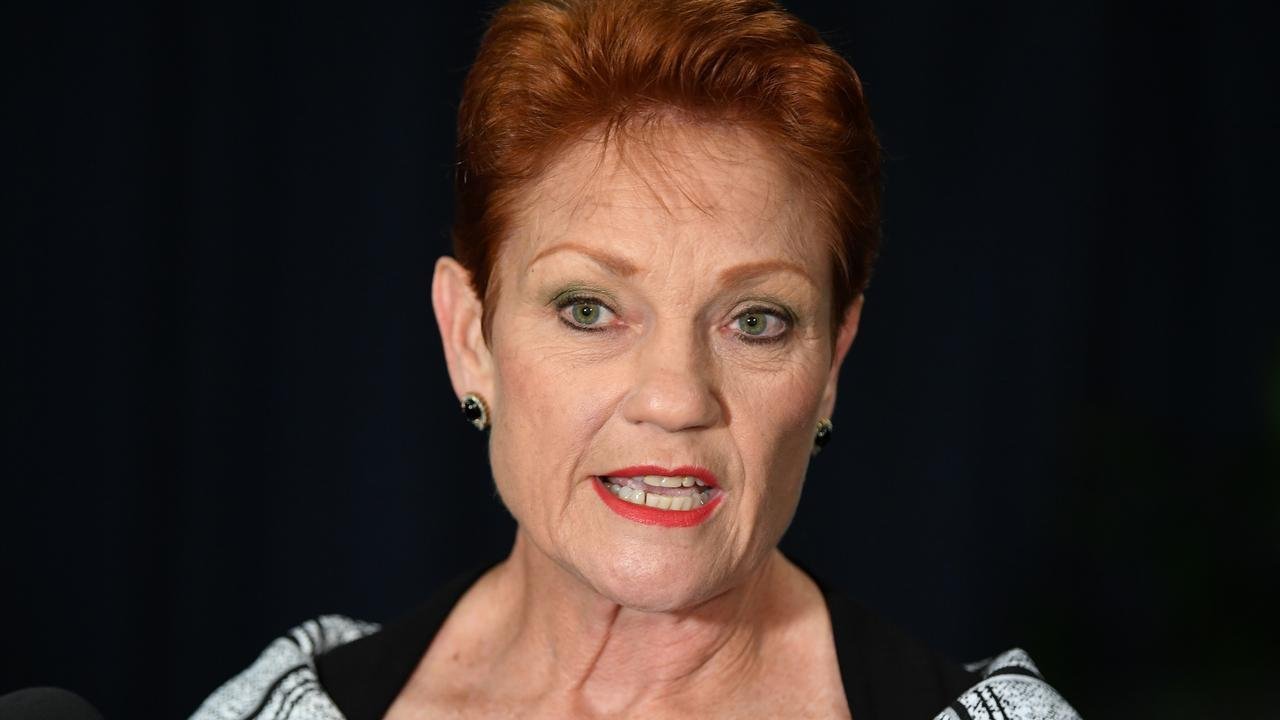
The party’s federal leader, Pauline Hanson, also made a surprise appearance, calling for new coal-fired power stations and nuclear reactors to be built in Victoria.
The event, co-hosted by the Farmers Fightback group, was a rallying cry for the region’s farmers, who are increasingly frustrated with the spread of renewable energy projects on their land.

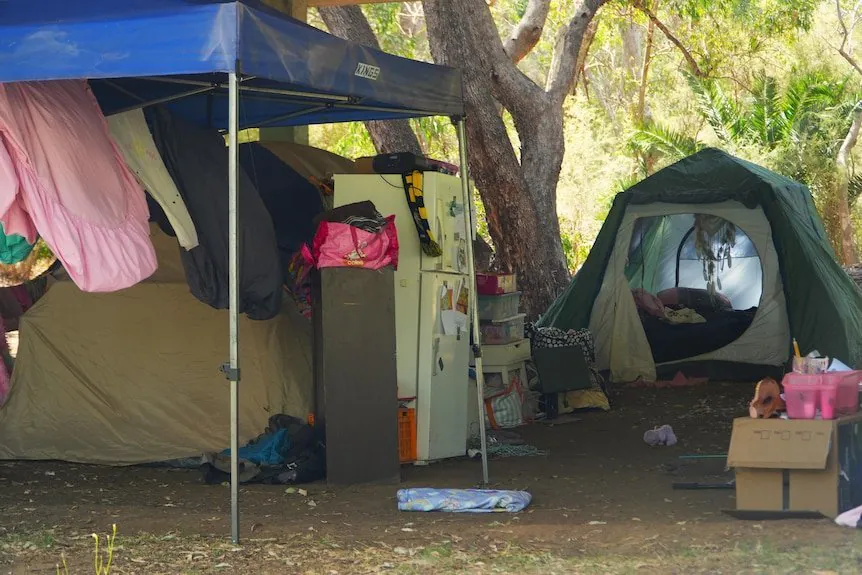


The VNI West transmission project, in particular, has become a lightning rod for anger, with many farmers fearing it will destroy their livelihoods and threaten the state’s food security.
One Nation’s energy policy is a stark departure from the state’s current renewable energy targets, which aim to reduce greenhouse gas emissions and increase the use of wind and solar power.
But Pickering and Hanson argue that renewables are failing to deliver affordable power, and that coal and gas are the only reliable sources of energy for Victoria’s future.
However, the party’s plans have been met with skepticism by some, who question how they will fund their proposed coal and nuclear projects. Pickering declined to provide a figure, saying only that private investment would be sought.
Hanson also refused to reveal how One Nation would pay for its plans, sparking concerns that the party’s policies are more rhetoric than reality.
Despite these concerns, One Nation’s anti-renewable energy stance has resonated with many farmers in western Victoria, who feel that the party is finally listening to their concerns.
Simon Schinkel, a local farmer and long-time One Nation supporter, said the party’s policies were a breath of fresh air in a region that feels ignored by the major parties.
“Don’t wreck the farms,” Schinkel said, echoing the sentiments of many in the crowd. “There’s a lot of big buildings in the city; they could put solar panels on them and get their own power.”
But not everyone is convinced by One Nation’s policies. Cathy Ross, a local farmer who attended the event, said she remained undecided about her vote, despite being impressed by the party’s passion and conviction.
Ross said she rejected One Nation’s argument that mining and farming could coexist, pointing out that one destroys the land while the other tries to produce food and fibre.
As the state election heats up, the energy debate is set to become a major battleground. The Coalition has also pledged to cancel VNI West if elected, leaving Labor facing a tough battle to win over rural voters.
With One Nation’s radical new policy, the party is clearly positioning itself as the champion of rural Victoria, and the defender of the state’s coal and gas industries.
Analysis: What This Means for Australia
One Nation’s energy policy has significant implications for Australia’s national security and economic future.
The party’s emphasis on coal and gas over renewables could undermine the country’s transition to a low-carbon economy, and potentially damage its reputation as a leader in the global fight against climate change.
Law enforcement insiders warn that the spread of renewable energy projects across rural Australia could also create new challenges for police and emergency services, as the number of transmission lines and wind farms increases.
The potential for sabotage and vandalism is a growing concern, particularly in areas where there is strong opposition to renewable energy.
Industry observers believe that One Nation’s policies could also have a major impact on the state’s economy, particularly in rural areas where agriculture and mining are major employers.
The party’s emphasis on coal and gas could create new jobs and stimulate economic growth, but it could also damage the state’s reputation as a clean and green destination for tourists and investors.
Ultimately, the outcome of the state election will depend on how rural voters respond to One Nation’s energy policy.
If the party can tap into the anger and frustration of farmers and rural communities, it could potentially sweep up a significant number of seats and hold the balance of power in the next parliament.
But if its policies are seen as unrealistic or unworkable, the party could struggle to make an impact, and Labor could retain its grip on power.