
Revolution on Wheels: Waymo’s Self-Driving Taxis Set to Take Over Australian Roads
- Secret meetings between Waymo and NSW Government reveal plans for Sydney trial
- Waymo’s driverless taxis have already clocked 20 million trips in the US, but controversy surrounds safety record
- Australia’s love affair with Chinese cars makes it an attractive market for Waymo’s global expansion
- Uber and Tesla also investing heavily in driverless taxi technology, sparking a transport revolution
The prospect of hailing a self-driving taxi on Australian streets is no longer the stuff of science fiction. Behind-the-scenes talks between Waymo executives and the NSW Government have been uncovered, revealing a potential trial of the revolutionary technology in Sydney.
This development is the latest in a series of moves that suggest Waymo is gearing up for a major push into the Australian market. Waymo, born from Google’s pioneering work in autonomous vehicles, has already made waves in the US with its driverless taxis.
The company claims its technology reduces the likelihood of crashes by more than 90 per cent, a staggering statistic that has piqued the interest of governments and consumers alike.
However, Waymo’s safety record has not been without controversy. Incidents involving cars motoring through police stand-offs and driving in circles with trapped passengers have raised eyebrows, sparking concerns about the technology’s reliability.
Despite these setbacks, Waymo is pressing ahead with its global ambitions. The company has announced plans to tackle right-hand-drive markets in London and Japan, with Australia firmly in its sights.
The country’s affinity for Chinese cars, which have surpassed Japanese, Thai, and Korean imports in recent years, makes it an attractive market for Waymo.
The company has already partnered with China’s Geely to produce a next-generation Robotaxi, dubbed the Waymo Ojai, which has begun carrying members of the public in the US.
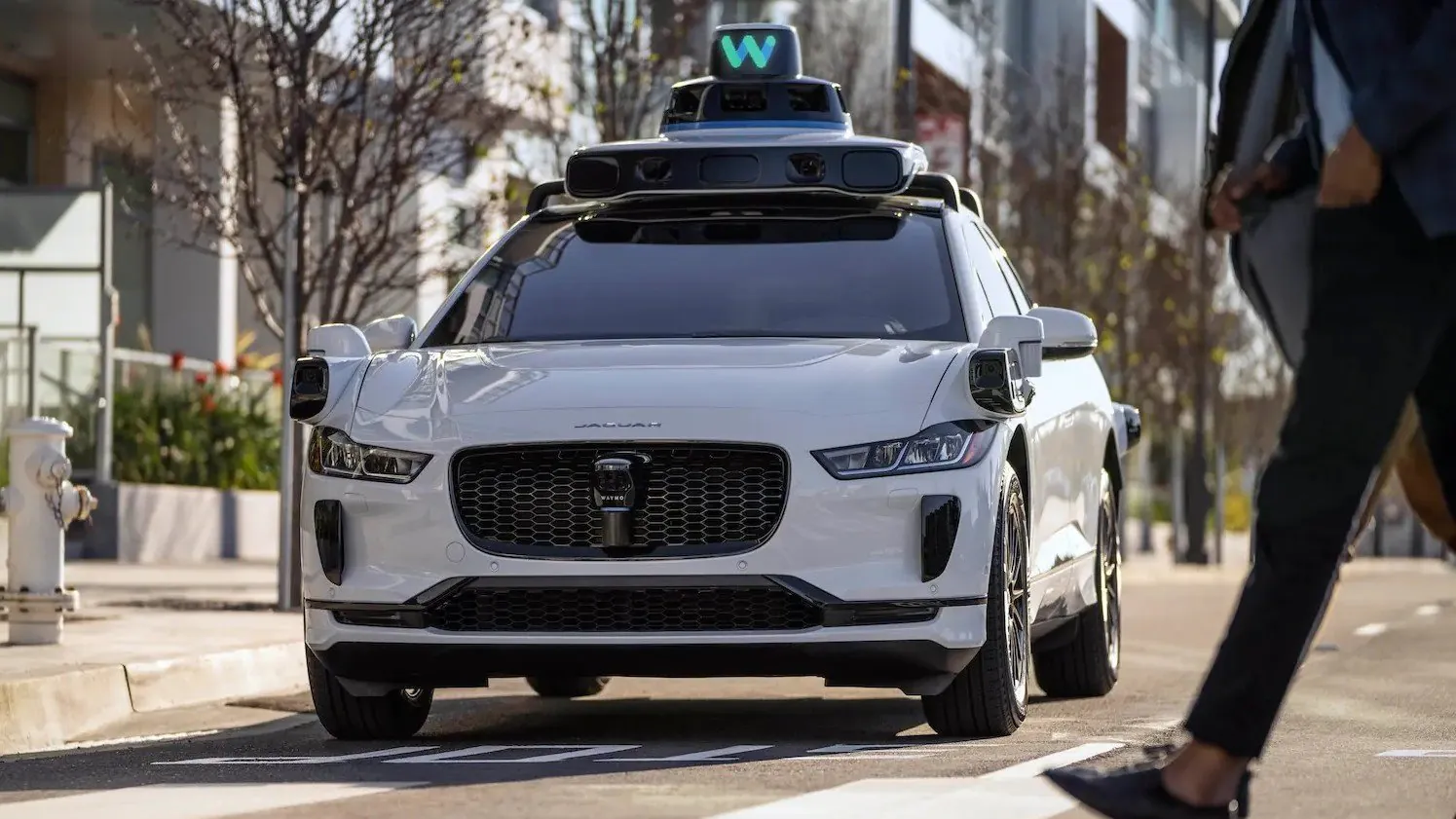
The Waymo Ojai, a sleek and spacious electric van, boasts an impressive array of safety features, including 13 cameras, six radars, and four laser-based Lidar units.
This cutting-edge technology, combined with Waymo’s AI-powered driving software, promises to revolutionize the way we travel. But Waymo is not the only player in the driverless taxi market.
Uber has invested heavily in the technology, with plans to introduce it in Australia pending regulatory approval. Tesla, too, has thrown its hat into the ring, with its Cybercab concept vehicle tipped to enter production soon.
Analysis: What This Means for AustraliaThe introduction of driverless taxis in Australia has significant implications for our transport landscape.
On the one hand, it promises to reduce accidents and improve road safety, a major concern for Australian authorities. On the other hand, it raises questions about job security for human taxi drivers and the potential for widespread disruption to the industry.
As one transport expert noted, “The rise of driverless taxis will require a fundamental shift in the way we think about mobility and employment in the transport sector.”
Security analysts warn that the introduction of driverless taxis also raises concerns about cybersecurity and data protection.
With sensitive information about passengers and routes being transmitted in real-time, the risk of hacking and data breaches becomes a major concern.
Law enforcement insiders, meanwhile, point out that the technology could also be used to enhance public safety, with the ability to track and respond to incidents in real-time.
As Australia prepares to join the driverless taxi revolution, one thing is clear: the future of transport is about to get a whole lot more interesting.
With Waymo, Uber, and Tesla leading the charge, the country is poised to become a key battleground in the war for driverless supremacy. But as the technology hurtles towards mainstream adoption, Australians must be prepared for the implications – both positive and negative – that come with it.
The prospect of hailing a self-driving taxi on Australian streets is no longer the stuff of science fiction. Behind-the-scenes talks between Waymo executives and the NSW Government have been uncovered, revealing a potential trial of the revolutionary technology in Sydney. This development is the latest in a series of moves that suggest Waymo is gearing up for a major push into the Australian market.
Waymo, born from Google’s pioneering work in autonomous vehicles, has already made waves in the US with its driverless taxis. The company claims its technology reduces the likelihood of crashes by more than 90 per cent, a staggering statistic that has piqued the interest of governments and consumers alike. However, Waymo’s safety record has not been without controversy. Incidents involving cars motoring through police stand-offs and driving in circles with trapped passengers have raised eyebrows, sparking concerns about the technology’s reliability.
Despite these setbacks, Waymo is pressing ahead with its global ambitions. The company has announced plans to tackle right-hand-drive markets in London and Japan, with Australia firmly in its sights. The country’s affinity for Chinese cars, which have surpassed Japanese, Thai, and Korean imports in recent years, makes it an attractive market for Waymo. The company has already partnered with China’s Geely to produce a next-generation Robotaxi, dubbed the Waymo Ojai, which has begun carrying members of the public in the US.
The Waymo Ojai, a sleek and spacious electric van, boasts an impressive array of safety features, including 13 cameras, six radars, and four laser-based Lidar units. This cutting-edge technology, combined with Waymo’s AI-powered driving software, promises to revolutionize the way we travel. But Waymo is not the only player in the driverless taxi market. Uber has invested heavily in the technology, with plans to introduce it in Australia pending regulatory approval. Tesla, too, has thrown its hat into the ring, with its Cybercab concept vehicle tipped to enter production soon.
The introduction of driverless taxis in Australia has significant implications for our transport landscape. On the one hand, it promises to reduce accidents and improve road safety, a major concern for Australian authorities. On the other hand, it raises questions about job security for human taxi drivers and the potential for widespread disruption to the industry. As one transport expert noted, “The rise of driverless taxis will require a fundamental shift in the way we think about mobility and employment in the transport sector.”
Security analysts warn that the introduction of driverless taxis also raises concerns about cybersecurity and data protection. With sensitive information about passengers and routes being transmitted in real-time, the risk of hacking and data breaches becomes a major concern. Law enforcement insiders, meanwhile, point out that the technology could also be used to enhance public safety, with the ability to track and respond to incidents in real-time.
As Australia prepares to join the driverless taxi revolution, one thing is clear: the future of transport is about to get a whole lot more interesting. With Waymo, Uber, and Tesla leading the charge, the country is poised to become a key battleground in the war for driverless supremacy. But as the technology hurtles towards mainstream adoption, Australians must be prepared for the implications – both positive and negative – that come with it.